Football small talk; a good way to start confrontation line negotiations (Bosnia 95)

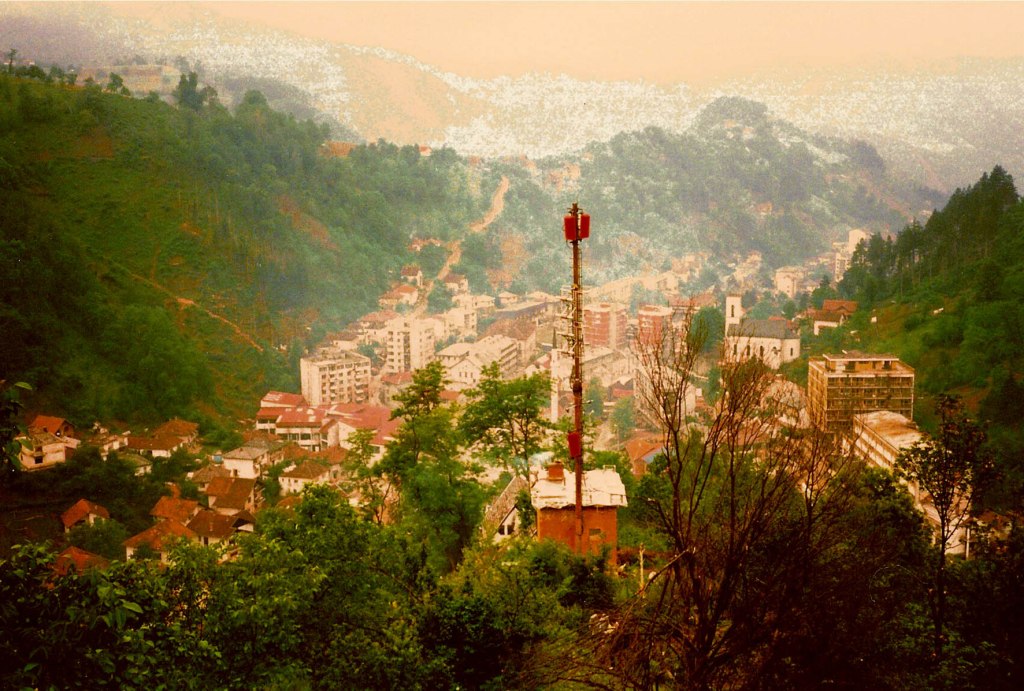
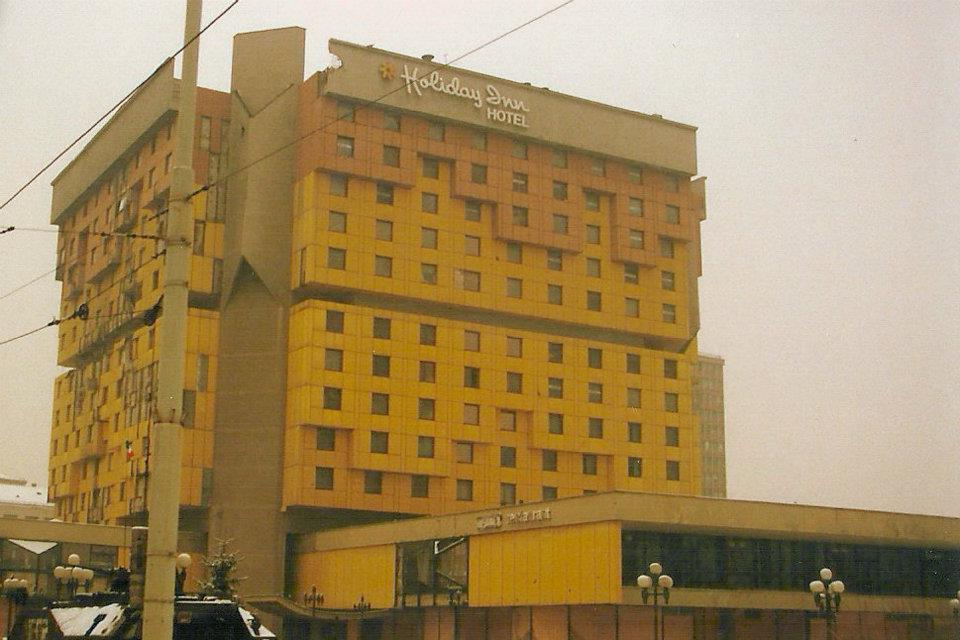
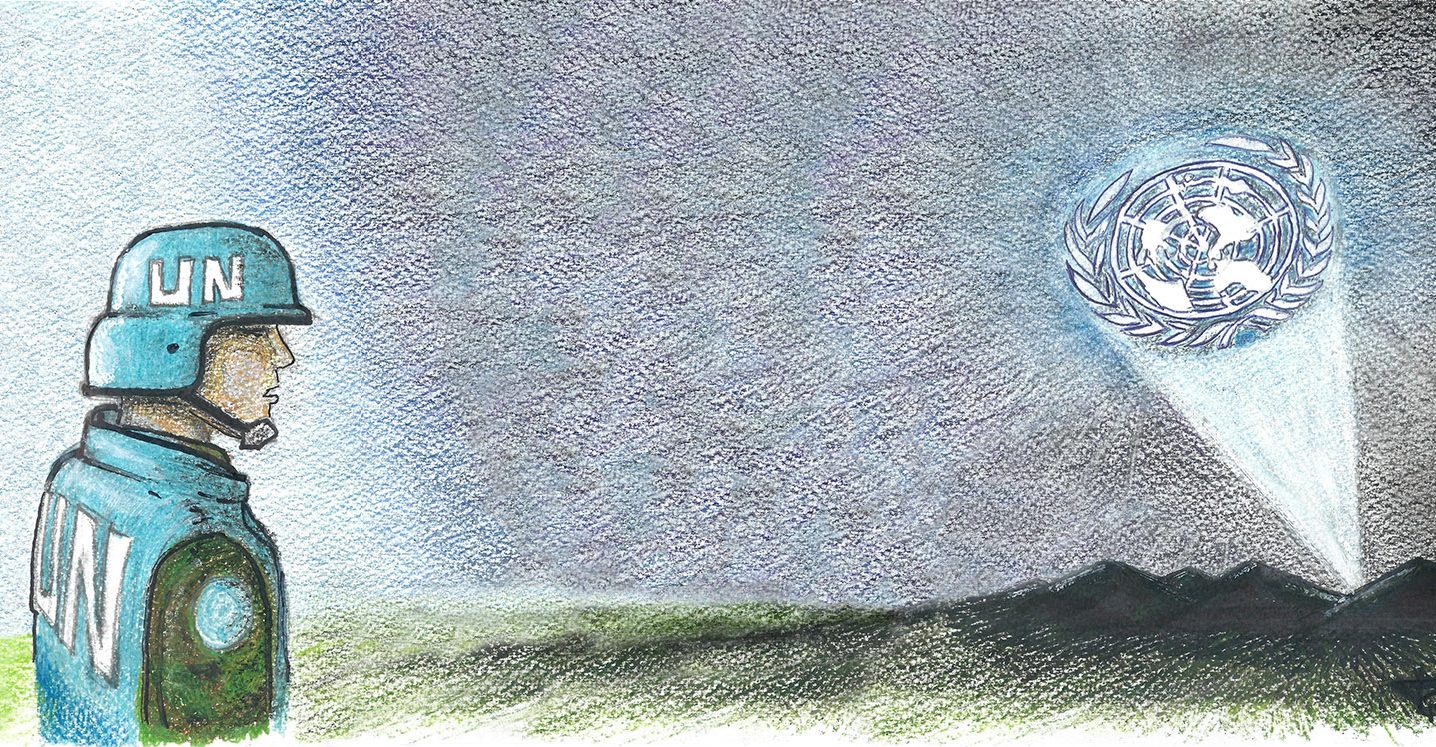
Back in UNPROFOR 1995, the warring factions’ protocol dictated, before talking business one had to discuss fait-divers … and drink lots of Rakjia (local brandy). Meetings with Serbs were something worth remembering. They normally tried to speak English, as a gesture of politeness, but if we (UN Military Observers – UNMO) would not bring an interpreter, those meetings would have been disastrous. The presence of a Portuguese officer in the UNMO delegation was not very common and a good theme to start chatting before going into “business”. Portugal was a sympathetic country for the Serbs, because it was a small western European Christian country, without any particular interest in Bosnia. Furthermore, the Serbs in general were sport lovers and the name of the (famous) Portuguese football player – Luis Figo – would normally jump to the table. There were also a number of Serbian football players that were, or had been, playing in Portuguese football teams at the time, but I didn’t have enough knowledge of football to support those conversations. The very first time that I felt embarrassed with my lack of football knowledge, I promised myself it wouldn’t happen again and I took note of yet another lesson regarding negotiations with warring factions:

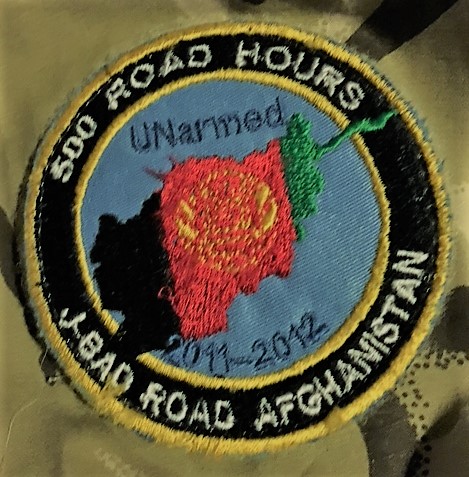
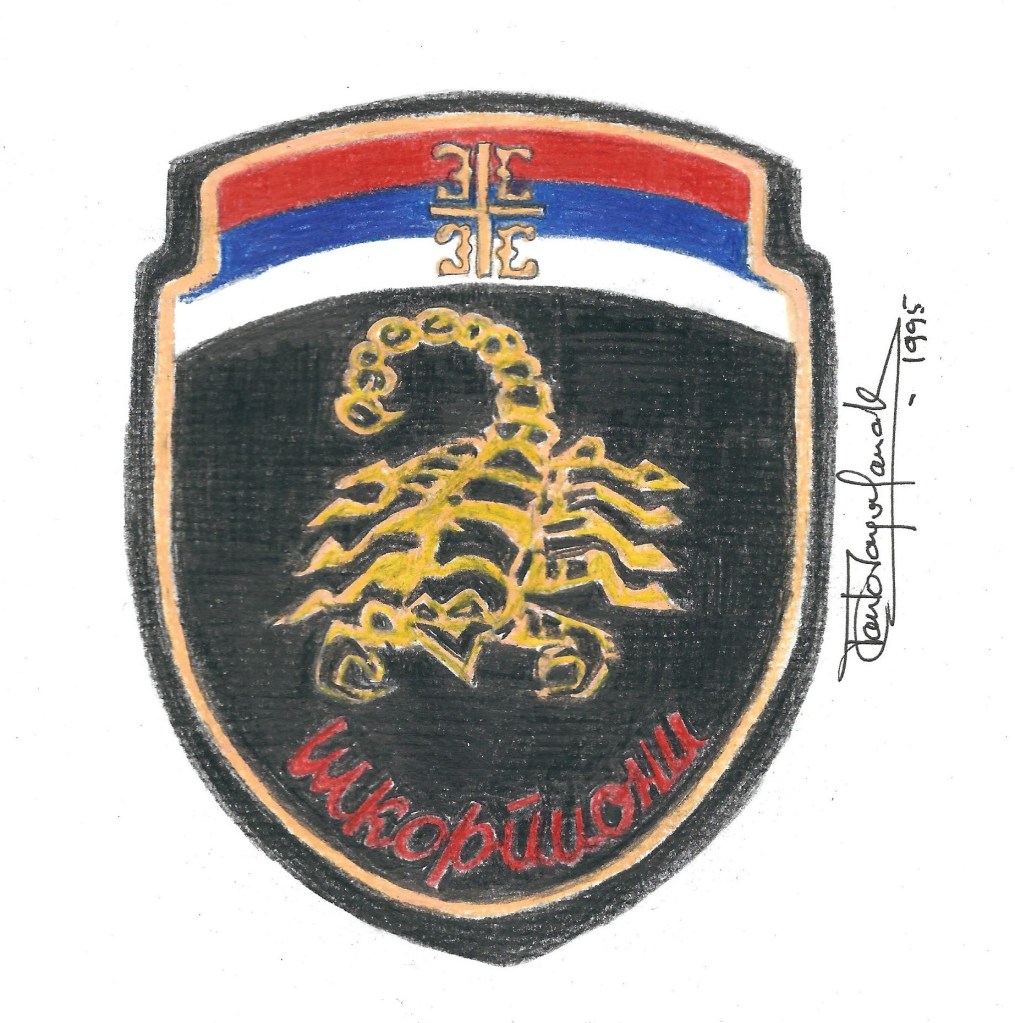
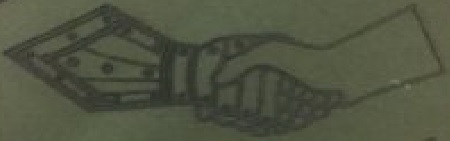
UNMO Patch – UNPROFOR 1995

Lesson Learned – “Learn about the sportive history of the Host Nation and its relations with your own Nation. It is not enough to know the Host Nation’s history and culture heritage, because no one will be discussing that at the negotiation table. Knowing the Host Nation’s preferred sport, its athletes and the correspondence with the Troop Contributing Country is essential to break the ice and start a profitable negotiation.”

O financiamento dos Taliban

No ano de 2012, quando iniciei uma longa missão para as Nações Unidas no Afeganistão (UNAMA), fiquei intrigado acerca da “capacidade de tesouraria” dos Taliban para financiar tantas acções político/propagandistas e ofensivas militares. Cada suicida garantia um chorudo pagamento compensatório à sua família, havia salários de inúmeros combatentes para pagar, aquisição de armas e munições, apoio aos campos de treino e o suporte de um extenso Governo-Sombra exilado no Paquistão. Em termos práticos, seria necessário muito dinheiro para pagar todas essas despesas. Cedo descobri que, somente para esse ano, o orçamento dos Taliban para as suas actividades mais prementes era algo nunca inferior a 400 milhões de Dólares Americanos (USD).

O financiamento dos taliban baseava-se em doações feitas por países apoiantes da causa islâmica; doações da diáspora afegã conservadora; extorsão violenta aos homens de negócios; impostos ilegais sobre as populações nas áreas controladas pelos taliban; e à produção/tráfico de estupefacientes. Para além destas verbas, os taliban também conseguiam desviar muito dinheiro dos milhões que eram injetados no Afeganistão pela Comunidade Internacional em projetos de desenvolvimento.

O Governo-Sombra Taliban absorvia cerca de 275 milhões, sendo o restante dinheiro entregue aos comandantes locais para conduzirem as suas atividades no Afeganistão. Estimava-se que as operações dos talibans custariam entre 100 a 155 milhões de USD por ano.

A extorsão de avultadas somas de dinheiro era exercida sobre produtores de ópio, operadores de serviços de telemóvel, construção civil, companhias de exploração mineira, distribuidoras de água e eletricidade, entidades que se dedicavam a projetos de ajuda humanitária e desenvolvimento e até a empresários de companhias de transporte e camionagem que tinham contratos com as forças da NATO – ISAF. Quase tudo o que vinha para o Afeganistão por terra tinha de passar a fronteira com o Paquistão e era aí que os talibans faziam uma boa parte dos seus rendimentos. As verbas que entravam nos cofres do Governo Afegão, vindo da actividade económica nas fronteiras, era uma pequena quantidade quando comparada com as verbas absorvidas pelos Taliban e pela corrupção de funcionários do Estado. Todas as atividades transfronteiriças dependiam de uma boa situação de segurança para continuarem a operar e, mediante pagamento, os talibans não incomodavam as suas vítimas económicas. Chegava-se ao ponto ridículo de, por interposta pessoa, serem próprios taliban a protegerem o transporte de materiais e combustível para os soldados da ISAF, com quem iriam combater no dia seguinte. Se não houvesse pagamento os carros cisternas de combustível ardiam na fronteira do Paquistão e os seus condutores eram chacinados. Se houvesse dinheiro a jihad e o radicalismo religioso eram, momentaneamente, colocados de lado e os transportes chegavam ao seu destino.

No tocante a impostos ilegais sobre a população, havia dois valores distintos, 10% sobre colheitas ou lojas comerciais e 2,5% sobre fortunas pessoais. Quem não alinhasse nos impostos arriscava a ver os seus familiares raptados e ao pagamento de resgates avultados.

O tráfico de estupefacientes rendia entre 155 a 200 milhões de USD por ano, o que incluía impostos sobre os produtores de papoila de ópio, extorsão a traficantes, pagamento de serviços de proteção a laboratórios de heroína e escolta/protecção ao transporte da droga.

A totalidade de dinheiro que era gerada no negócio de estupefacientes no Afeganistão era estimada em cerca de 3,6 a 4 mil milões de USD anualmente. Desta forma, se os taliban “só” lucrassem com isso 200 milhões de USD por ano, … , não estariam a “abusar” muito do sistema.

Stay home and become a Power Point Ranger

This new enemy – the COVID 19 – is using asymmetric and hybrid warfare tactics. But we’ve learned how to slow its advance, in order to gain time for the vaccination counterattack. It is a trenches warfare; and your trench is your home.

Stay home; think out of the box; you’ll find a way to have an operational product perhaps even better than your “original you”; stay safe, it’s time to be a Power Point Ranger!

Remember the aviator’s phrase: “It’s better to be down here wishing you were up there, than up there wishing you were down here.”

História aeronáutica Portuguesa – A “Passarola”

Bartolomeu de Gusmão foi um padre Jesuítas cientista Português do Brasil dos SEC. XVII/XVIII, que, em 1709, inventou o primeiro aeróstato ao qual ele apelidou (em patente registada) de “instrumento para se andar pelo ar”, ficando posteriormente conhecido por “Passarola”.

A ”Passarola”, tal como a reconhecemos na actualidade nunca existiu, não passando de uma interpretação popular daquilo que efectivamente Bartolomeu inventou – o Balão de Ar-quente. Essa irrealista representação gráfica, terá sido inspirada em algumas lendas do Brasil, e foi desenhada por um aluno de Bartolomeu para afastar os curiosos da verdadeira invenção.

Quadro da Passarola (sala VIP do Aerodromo de Transito nº1 (AT1) em Lisboa)

Em 1709 o Padre Bartolomeu apresentou à Corte Portuguesa o seu “instrumento para se andar pelo ar”, tendo feito várias demonstrações. Eram no entanto engenhos miniaturizados e sem qualquer tipo de controlo, tendo em muitos casos pegado fogo. Contudo, reza a história que em outubro desse ano terá sido feita uma outra demonstração em Lisboa (ao ar livre) com um engenho que já podia transportar um homem; demonstração que terá sido um sucesso.

Bartolomeu de Gusmão apresenta os seus protótipos à corte de D. João V (Painel de azulejos exposto na sala de embarque militar do Aeródromo de Transito nº 1 (AT1) em Lisboa)

O padre Bartolomeu de Gusmão foi autor de outras invenções de relevo, acabando por ter problemas com a Inquisição. Adoeceu gravemente e morreu em Espanha – Toledo – com a modesta idade de 38 anos, fugindo às Inquisições Portuguesa e Espanhola.

Afghanistan’s biggest political problem: – The Durand Line

Historical Background:

In ancient times, many borders were not clearly defined lines, but rather fortified neutral zones called Marchlands – or Marzbān in Old Persian (frontier protector) – where tribal allegiances to emperors defended the core territory of the Empire from rival powers. Such was the case of Marzbān Kabul – Afghanistan – between the 3rd and 7th centuries AD.

In the 19th Century AD, when the British Empire ruled over the Indian Subcontinent, Afghanistan was considered as an independent princely state, although the British controlled its foreign affairs and diplomatic relations. Nevertheless, Afghanistan was still seen as a buffer territory, between the Russian Empire and the British interests in the region, preventing the Russians to have access to the Indian Ocean. After the 1813 Russian-Persian Treaty, the British concerns of a possible Russian invasion of India, through Afghanistan, intensified and the strategic rivalry between the two Empires, over Central Asia, became known as “The Great Game”. The British tried an alliance with the Afghans against the Russian intentions, but failed, leading to the British military incursions of Afghan in 1839 and again in 1878. In each of these two Anglo-Afghan Wars, the British Army was completely annihilated by the Afghan tribal militias. Following the second Anglo-Afghan war, the Treaty of Gandamak was signed, ceding control of various frontier areas to the Afghan King and the British Empire. The British would pay a yearly amount of money (six lakhs of rupees) to Afghanistan but would retain the Afghan foreigner affairs in British domain. However, the east/southeast border between Afghanistan and the British India was not properly defined and, in 1893, a border agreement was signed between the two countries, known as the Durand Line.

The Durand Line:

The Durand Line is a 2,640 kilometers (1,640 mi) long frontier agreement, signed in Kabul in 2 November 1893, between the Afghan monarch – Emir Abdurrahman Khan – and the Foreign Secretary of British India – Mortimer Durand – fixing the limit of the Afghan and British-India spheres of influence. The Line was designed by Mortimer Durand, without considering the ethnographic reality on the ground, cutting through Pashtun tribal areas and, further south, through the Baluchistan region. After its signature, a joint British-Afghan demarcation survey took place, but only managed to cover less than one third of the boundary, due to security problems resulting from local tribal unacceptance of the border.

The Afghan kings, have always refused to accept the Durand Line as an international border, rather a cease fire or military separation line, claiming their previous territory that used to extend until the Indus River. In 1919 Afghanistan took the initiative to retake the lost territories of Quetta and Peshawar, beyond the Durand Line, starting the Third Anglo-Afghan War. The result of this war was yet another treaty between the Emirate of Afghanistan and the British-India; sign in 8 August in Rawalpindi, where the Durand Line was reaffirmed, as the political boundary between the two countries, and the Afghans received the right to manage their own foreigner affairs business, hence gaining their full independence.

The Durand Line was slightly modified by the 1919 Anglo-Afghan Rawalpindi Treaty and  subsequently inherited by Pakistan, following its independence in 1947, becoming the modern border between Pakistan and Afghanistan, although the latest does not officially recognizes it as an International Border. In the mid-20th century the area on both sides of the line became the subject of a movement for Pashtun independence and establishment of an independent state of Pakhtunistan. In 1980 approximately 7.5 million Pashtuns were living in the area around the Durand Line. Several sources claim that the Durand Line’s agreement was meant to be in force during 100 years and that it has expired in 1993. However, that information is not mentioned in the (English version) of the agreement.

Why don’t the Afghans recognize the Durand Line as an International Border?

The Durand Line is probably one of the most problematic issues in Afghan’s political arena. For the Afghan authorities, and intellectuals, the Durand Line is an agreement for limitation of military operations, signed between the British-India and Afghanistan. It is neither a Treaty nor an International Border establishment; and, above all, it should not be valid for the subsequently formed Pakistani State.

  • It is not a Treaty because it has not been subjected to bilateral negotiations and it did not respect the several judicial procedures that regulate such pacts. Rather it was a unilaterally imposed document, by an overwhelming power over far less power and week regime, without even having been translated to into the language the Afghan Monarch could understand;
  • It is not an International Border establishment, because the Afghan party has never agreed with such a definition; and, although the Afghan Border Police does respect the line on the maps to exercise their mandate, there are no border demarcation signs on the ground to guide the local population;
  • It should not be applicable to the Afghan/Pakistani reality, because, being a military operation’s separation line, it was meant to be applied to two different armies in a completely different world order and, like in any contract, if one of the parts resigns the agreement (Afghanistan) the document is not valid and another version has got to be negotiated.

The Pashtun ethnicity, a culture that has the upmost respect for tribal and family bonds, was artificially divided by the Durand Line. However, over the past 118 years these ties did not fade way, by the contrary, the line was never a respected as a separation or impediment for (cross border) marriages, family visits, and tribal agreements or businesses. In both sides of the line, the respective governments have little influence over the local communities, and the tribal customs rule the daily live. Pakhtunistan (the land of the Pashtuns in both side of the line) became the major controversy regarding the Afghan’s external relations with Pakistan.

Another discussion point is the absence of Baluchistan in the agreement. At the time the Durand Line was signed, Baluchistan was also considered an independent princely state, with its own sovereign government. However, Baluchistan was not heard or signed any agreement regarding the division of the country. Therefore, for the Durand Line to be considered an international Border, it would have to be a tripartite (not bilateral) treaty, which was not the case.

According to Aimal Faizi, spokesman for the Afghan President (2014), the Durand Line is “an issue of historical importance for Afghanistan. The Afghan people, not the government, can take a final decision on it.” This opens the space for a potential referendum type public consultation. However, should that be the case, and taken into consideration the trans-border tribal issue, what would be questions asked for the people to choose? Accept the Durand Line as an international border (yes or no?). However, if the answer would “no”, what then? 

The Pakistani position

On 09 October 1974, during the 2283th plenary meeting of the UN General Assembly, the Pakistani Representative at the United Nations, referred to the Durand Line as the border between Afghanistan and Pakistan and that Afghanistan had claims over certain parts of he Pakistani Territory (referring to Pakhtunistan). He further informed that at the time of emergence of Pakistan as an independent and sovereign state, a referendum was held and the population decided to become Pakistani citizens.

According to Pakistani officials, the Durand Line is fully recognized as the official border between Pakistan and Afghanistan, such as it is for the international community. The problem resides in Afghanistan, which appears to be interested in expanding its territory towards Pakistan.

Why is it so important to recognize an official International Border?

The Pakistani based insurgency, operating inside Afghanistan, enjoys all sort of support from the “other side” of the Durand Line, enabling them to carry on, year after year, their military campaigns in Afghanistan. The same concept applies for the Pakistani Taliban, which are using Afghan territory as a safe haven for their actions in Pakistan. Should an International Border be officially recognized by both Afghanistan and Pakistan, with joint or coordinated border patrol/control forces, hence stopping unilateral military actions against the respective insurgent threat across the Durand Line (cross border shelling).

Illegal trafficking of all sort of products would gradually diminish, giving place to a proper, much needed, border customs activities and taxation. Up to $7 billion of Pakistan produce is thought to be smuggled illegally into Afghanistan each year. Implementing a proper border and customs control in Afghanistan would have a positive impact on a Regional scale.

Conclusion – From a geopolitical perspective, the Durand Line has been described as one of the most dangerous borders in the World. With more than seven million Pashtuns living in both sides of the line, any solution will necessarily have to take into consideration the cross border cultural and family ties. The solution would seem to be the official recognition of “Soft Border” status, enabling the population to continue its daily border crossing, while maintaining a tight observance on customs and security issues. However, a “Soft Border” solution will require that both Afghanistan and Pakistan would have to have a proper control of their own territories, which presently is certainly not the case.

Limpa-neves em Luanda – inspiração para cartoonista

Outubro de 1992 – Num voo de C-130 que levou mais de 20 horas a percorrer o trajecto Lisboa x Luanda, com duas paragens técnicas de uma hora em Cabo Verde e São Tomé e Príncipe, finalmente estávamos a sobrevoar a Capital Angolana.

O nosso Hercules evoluiu sobre a Cidade, a fim de se posicionar melhor para a aterragem. A manobra permitiu-nos observar a verdadeira dimensão da urbe. Para além das zonas da baía e do centro da Cidade, com os seus edifícios altos, avenidas amplas e bairros com bonitas vivendas coloniais, havia uma outra Luanda; um enorme musseque, que se estendia a perder de vista, constituído por trilhos sinuosos de construções térreas feitas de barro, onde viviam mais de 70% dos dois milhões de pessoas que na altura habitavam em Luanda.

Durante a aterragem observámos que o aeroporto estava militarizado, com muitas antenas de radar, e outros equipamentos com aspeto bélico, distribuídos entre as placas e as pistas. Contudo, aquilo que mais me atraiu a atenção foi um conjunto de três veículos enferrujados que jaziam para além da soleira da pista. Eu reconhecia perfeitamente aquelas máquinas, mas não conseguia ligar o objeto com o local ou a função. Estava perante uma cena que atraiçoava a forma estereotipada de interpretar o que me rodeava. Era uma daquelas sensações de ver um barco encalhado nas areias de um deserto. Fiquei particularmente curioso acerca daqueles equipamentos de aeródromo que, pelo aspecto enferrujado, não deveriam ter tido muito uso. Quando desembarcámos, fomos gentilmente recebidos na placa por uma delegação da Embaixada Portuguesa em Luanda e representantes da ONU. Perguntei ao pessoal militar da Embaixada o que eram aqueles estranhos veículos que apodreciam no final da faixa. Foi-me respondido que eram “limpa-neves”, oferecidos pela (antiga) ajuda Soviética.

 –“Limpa neves? Em Luanda?” – Perguntei (retoricamente) contendo uma gargalhada, para não ofender os presentes.

 –“Sim, para os Soviéticos qualquer aeroporto que se preze tinha de estar dotado com limpa-neves. O local geográfico era um mero detalhe. Eles mandaram tanto material para ajudar Angola que “mais limpa-neves, menos limpa-neves”, ninguém reparou na coerência da oferta.”

Claro que aquelas máquinas nunca foram usadas e apodreceram no local onde tinham sido descarregadas.

Era a definição de Surrealismo na versão limpa-neves. Estas máquinas fora de contexto surpreenderam-me e despertaram a minha veia humorista. Assim que tive oportunidade e sossego, fiz o meu primeiro rascunho de cartoon sobre uma missão operacional. A partir dessa altura passei a observar e desenhar todas as situações que fugissem à banalidade do quotidiano, complementando os meus diários de missão.

Por outro lado, como viria a descobrir mais tarde, o tipo de atividade que iria desenvolver na ONU inibia que se tirassem fotografias. Havia mesmo instruções específicas proibindo o uso de máquinas fotográficas. Essa restrição, que eu viria a encontrar noutras missões da ONU, procurava evitar mal-entendidos por parte das fações em conflito, que viam a atividade fotográfica como uma forma velada de recolha de informação. Os cartoons eram uma alternativa pacífica de recordar graficamente a vivência no terreno, sem arranjar problemas com as forças em conflito.

UN Mission in ex-Yugoslavia – UNPROFOR (1992/95)

At the start of 1990 decade, Yugoslavia imploded in a fratricide war. It was a horrible war that took the life, or disappeared with, of about a quarter of a million people. Furthermore, it was estimated that approximately one million people lost their houses, becoming displaced from their original region, living in very poor conditions, and another two million became refuges in some other country. Many of the crucial infrastructures of the former Yugoslavia territory was destroyed.

From 1992 to 1995, 11 541 people died in the besieged City of Sarajevo. Two decades after the beginning of Bosnia Herzegovina’s conflict, on the 6th April 2012, Sarajevo honored its 11 541 deceased citizens, in a street concert called “Why are you not here?” To visualize there immensity of the number, they placed on one of Sarajevo’s main avenue a red chair for each dead person.

Titova street in Sarajevo – the 20th anniversary of the start of the Bosnian war, April 6, 2012. Photo – REUTERS/Dado Ruvic

When the Yugoslavian conflict started, the United Nations reacted promptly and deployed blue helmets to the site –The United Nations Protection Force, UNPROFOR – a conflict characterized as the worst conflict in Europe since the end of World War Two. UNPROFOR’s blue helmets tried to mitigate the problems of the conflict in Croatia, and (later) in Bosnia; however, it didn’t work very well. The UN had deployed a Peacekeeping force, with a peacekeeping mandate, without have a Peace to deal with. The peacekeepers were sent to the middle of an ugly war, which appeared no one was interested in stopping or reducing.

For many, UNPROFOR was an operational failure, because the UN was not solving the problem (at least … not in time). For others, it was the possible thing to do; trying to gain time, with least cost of lives, in order to reach an enduring agreement. For me, UNPROFOR was crucial for the conflict not to escalate to a full regional war. Not only that; UNPROFOR  laid the bases of the new UN posture for Civilian Protection in future NUN missions, and the entire UN “Concept of Operations”  for future missions. Something that ended-up saving many, many, lives in the years to come. I’m proud to have been UNPROFOR blue helmet.

“Compensação de sangue” da ONU na UNPROFOR

No dia 10 de janeiro de 1995, apresentei-me nos portões do Quartel-general das Nações Unidas (UNPROFOR) em Zagreb, a fim de incorporar a Unidade de Observadores Militares (UNMO) que monitorizavam o desenvolvimento do conflito na ex-Jugoslávia. Comigo estava um camarada da Força Aérea Portuguesa, já veterano na missão, que gentilmente acedeu a acompanhar-me no processo de “check-in”.

As instalações da ONU ocupavam um quarteirão inteiro da Cidade, cercadas por muros altos com um aspeto austero. Cá fora, no passeio junto à estrada, os populares tinham construído um muro de tijolos soltos, com cerca de um metro de altura, que quase dava a volta completa às instalações da ONU. Estavam ali milhares de tijolos. Em cada um daqueles tijolos estava escrito o nome de alguém que tinha morrido na guerra, desde 1991. O meu primeiro pensamento foi que se tratava de uma “instalação artística” contra a guerra, mas cedo percebi que era um protesto contra a ONU, por não ter evitado aquelas mortes. A população croata esperava que a UNPROFOR os ajudasse na sua luta contra os sérvios, tendo visto as suas espectativas goradas. A UNPROFOR era imparcial naquele conflito, e não tinha vindo para fazer a Guerra mas sim para manter a Paz. A missão dos capacetes azuis era separar os beligerantes, embora isso não estivesse a funcionar.

o “Muro da vergonha de Zagreb – foto de Jesper Luckmann

Orientado pelo meu camarada, iniciei o check-in da UNPROFOR, apresentando-me no balcão respetivo com um sorriso e uma atitude entusiasta.

– “Bom dia, sou o capitão Paulo Gonçalves, da Força Aérea Portuguesa, acabei de chegar e venho para os Observadores Militares.” – Disse, dirigindo-me à silhueta do outro lado do vidro baço.

– “Português?! …, Paulo Gonçalves?! …, OK, está aqui na lista sim senhor! Bem-vindo à UNPROFOR. Leia este documento, é o seu testamento. Identifique o beneficiário do seu seguro de vida e assine, em triplicado, em baixo. Depois falamos do resto.”

O primeiro procedimento da UNPROFOR era assinar um testamento pré-redigido, declarando a quem deixaria os meus bens e quem viria a receber a “compensação de sangue”, que a ONU pagava em caso de morte ou de ferimento grave.

–”Caramba!” – Exclamei para o veterano Luso que me acompanhava –”ainda não coloquei as malas no chão e já tenho de assinar um testamento?! Um começo encorajador; sem dúvida.”

Compensação de sangue ONU
Tradução: “Bem-vindo à UNPROFOR, por favor identifique o familiar que vai receber o dinheiro da sua “compensação de sangue” e assine o seu testamento, em triplicado.”

 – “Não te preocupes” – disse o meu camarada, tentado tranquilizar-me –”é um formalismo. Eles fazem-no logo no início do check-in para cobrir qualquer acidente que te possa acontecer desde já.”

O procedimento era tétrico, mas necessário e deveria ser feito logo no início, para cobrir qualquer acidente que pudesse ocorrer. Pena que esse dinheiro tivesse que ser pago a centenas de capacetes azuis porque, embora a UNPROFOR fosse uma missão de apoio à Paz, houve muita gente das Nações Unidas a ficar seriamente ferido durante a missão; mas as mortes em serviço (KIA – killed in action) era o que mais nos afetava.

Desde a sua implementação (início de 1992) até ao seu términus (finais de1995), a UNPROFOR sofreu 213 fatalidades das quais: 198 foram militares dos contingentes internacionais, seis foram oficiais UNMO desarmados, três foram polícias da CIVPOL, outros três foram civis do pessoal internacional da ONU, tendo ainda morrido mais três civis contratados localmente pela ONU.

Missão UNDP – Angola 1992 – Excesso de confiança mata!

Para se avaliar corretamente uma situação temos de nos colocar fora dela. Temos de a ver à distância, para ter a noção da globalidade dos fatores que a afetam. Quando se está demasiado embutido nos eventos que nos rodeiam, o único distanciamento que permite essas avaliações é o cronológico. Temos de deixar passar algum tempo e refletir sobre o assunto para vermos onde errámos e introduzir correções. Por vezes, o fator “sorte” (ou a ausência dela) joga demasiado forte nesta equação.

Certo dia, numa missão da ONU em Angola (1992), um grupo de soldados desmobilizados apareceu no Aeródromo de Luena em busca de um voo para fora dali. Ao verificarem que não teriam qualquer hipótese de apanhar “uma boleia” para Luanda, aqueles desmobilizados (mas não desarmados) começaram a actuar em desespero de causa e abriram fogo com as suas armas.

Comigo, na placa das Nações Unidas, estava um pequeno grupo de jornalistas holandeses que tinham vindo cobrir as eleições na Província do Moxico. Ao ouvirem os disparos das armas automáticas, os jornalistas entraram em pânico e atiraram-se ao chão. Em meu redor, havia gritos em Holandês e em Inglês. Ouvi mesmo alguém a chorar. Eu continuei a trabalhar, de um lado para o outro, organizando as bagagens de embarque, falando pela rádio com o pessoal da torre para saber a estima do nosso avião, procurando pelo nosso pessoal de apoio em terra para me ajudar nas tarefas, etc. Os tiros eram coisa corriqueira por ali, e eu tinha muito assunto para resolver antes da chegada do nosso C-130. O som dos disparos à minha volta funcionava como se fizesse parte de um filme … e tudo aquilo eram figurantes das filmagens.

De repente, senti algo a bater no chão, junto de mim com muita força, e só depois ouvi o som de um disparo. Aquele tiro tinha sido dado na minha direção. Como a bala voava mais rápido que o som, eu só ouvi o disparo da arma depois do projétil ter atingido o chão mesmo em frente aos meus pés. Logo a seguir senti como que um sopro de ar no lado direito da cara e ouvi um assobio. De novo, o som de um tiro veio logo a seguir. Em décimas de segundos o meu cérebro avaliou e interpretou toda aquela informação, surgindo com uma resposta: – Aqueles disparos isolados não eram balas perdidas; alguém estava a disparar na minha direcção, com a intenção de me alvejar. Acho que corei quando me apercebi da dimensão da minha estupidez.

Imitando os jornalistas holandeses, atirei-me ao chão procurando esconder-me por detrás de alguns volumes que ali estavam para embarcar. Os caixotes de papelão não iriam impedir as balas de me atingir, mas pelo menos ocultavam a minha silhueta ao atirador.

Nessa mesma altura começou um arraial de tiros vindos da entrada do aeródromo. Os Ninjas (polícia de choque Angolana) tinham regressado ao local. Quando tudo acabou, estavam várias pessoas estendidas no chão da placa, inertes, e a situação resolvida. Os presos e os feridos foram levados pela polícia antimotim e o ambiente acalmou de novo.

Ouviu-se o ronco surdo de um C-130 a aterrar, seguido do som intenso do procedimento de travagem com os motores em reverse. Era o nosso avião que chegava. Quando os holandeses subiram a bordo, tinham os olhos vermelhos de terem estado a chorar. Eu tinha o semblante aparvalhado de ter escapado, por muito pouco, a levar um tiro na cabeça. Tudo por ter cometido um erro comum neste tipo de operações – baixar a guarda devido à rotina.

Registei a minha lição número quatro, em ambiente de conflito:

Lição 4: – “O Excesso de Confiança mata!”

Provavelmente devido às responsabilidades atribuídas, ou a alguma inexperiência de Teatro Operacional (TO), as minhas preocupações de segurança física estavam concentradas no resto do pessoal do PNUD e não tanto na minha própria segurança.

A experiência – ou o saber dela feito – permite uma antecipação do distanciamento cronológico, numa sensação “deja vue”, uma vez que o analista salta no tempo para outras situações que já vivenciou e que o auxiliam na tomada de decisões rápidas na altura dos acontecimentos.

As Lições Aprendidas são essenciais para o cabal desempenho, em segurança, neste tipo de operações, fechando o ciclo do provérbio da aviação que dita:

– “Na sociedade civil, quanto mais de vive mais se aprende. Na aviação, quanto mais se aprende mais se vive!”

Crie um site como este com o WordPress.com
Comece agora