O Secretário-Geral da NATO -Jens Stoltenberg – anunciou recentemente que a Guerra na Ucrânia será longa. Será? Pois eu acho que a coisa terá um desenvolvimento repentino, e uma solução precipitada, até ao final de 2023, ou pelo menos irá haver uma forte pressão sesse sentido. Esta minha convicção prende-se com dois factos e uma avaliação retrospectiva.
É um facto que o principal apoiante político e material da Ucrânia são os Estados Unidos da América, sem os quais os ucranianos teriam de abandonar a guerra convencional, com dois exércitos em confrontação por domínio territorial, e enveredar por uma guerra de guerrilha, onde grupos de partisans lutariam na clandestinidade contra uma potência ocupante.
É também um facto que e os americanos vão ter eleições em 2024, e que o tremendo suporte financeiro em apoio humanitário e material de guerra vai ser confrontado com os modestos resultados no terreno, e o debate político irá focar-se na redução (se não o fim) desse apoio material.
Por outro lado, comparando os calendários políticos Norte-Americanos com os conflitos mais mediáticos das últimas três décadas, verificamos a curiosa coincidência que se fecha um conflito importante, ou termina a presença de militares americanos numa missão estrangeira, exatamente um ano antes de uma eleição presidencial nos Estados Unidos.
Vejamos o que aconteceu após o fim da Guerra Fria (1991):
1991 Fim da ocupação iraquiana do Kuwait com o ataque avassalador de uma coligação internacional liderada pelos Estados Unidos às forças de Saddam Hussein. 1992 Eleições presidenciais americanas (vence Clinton).
1995 Fim da Guerra na Croácia e na Bósnia Herzegovina com a assinatura dos Acordos de Dayton (USA). 1996 Eleições presidenciais americanas (vence Clinton).
1999 Fim do conflito no Kosovo com o ataque da coligação internacional liderada pelos Estados Unidos às forças Jugoslavas. 2000 Eleições presidenciais americanas (vence JW Bush).
2003 Invasão do Iraque e fim da ameaça de Sadam Hussain. 2004 Eleições presidenciais americanas (vence JW Bush).
2007 Início da politica US para o Iraque baseada em “return on success“, com a forte redução de forças americanas no terreno. 2008 Eleições presidenciais americanas (vence Obama).
2011 Fim da presença USA no Iraque. 2012 Eleições presidenciais americanas (vence Obama).
2015 Fim da Força Internacional de combate (ISAF) no Afeganistão. 2016 Eleições presidenciais americanas (vence D. Trump).
2019 Acordo para o fim da presença USA do Afeganistão com consequente retirada do que restava de todas as forças internacionais de Cabul. 2020 Eleições presidenciais americanas (vence Biden).
(agora preencha você os espaços vazios) 2023 Fim do conflito em … . 2024 Eleições presidenciais americanas (vence …) .
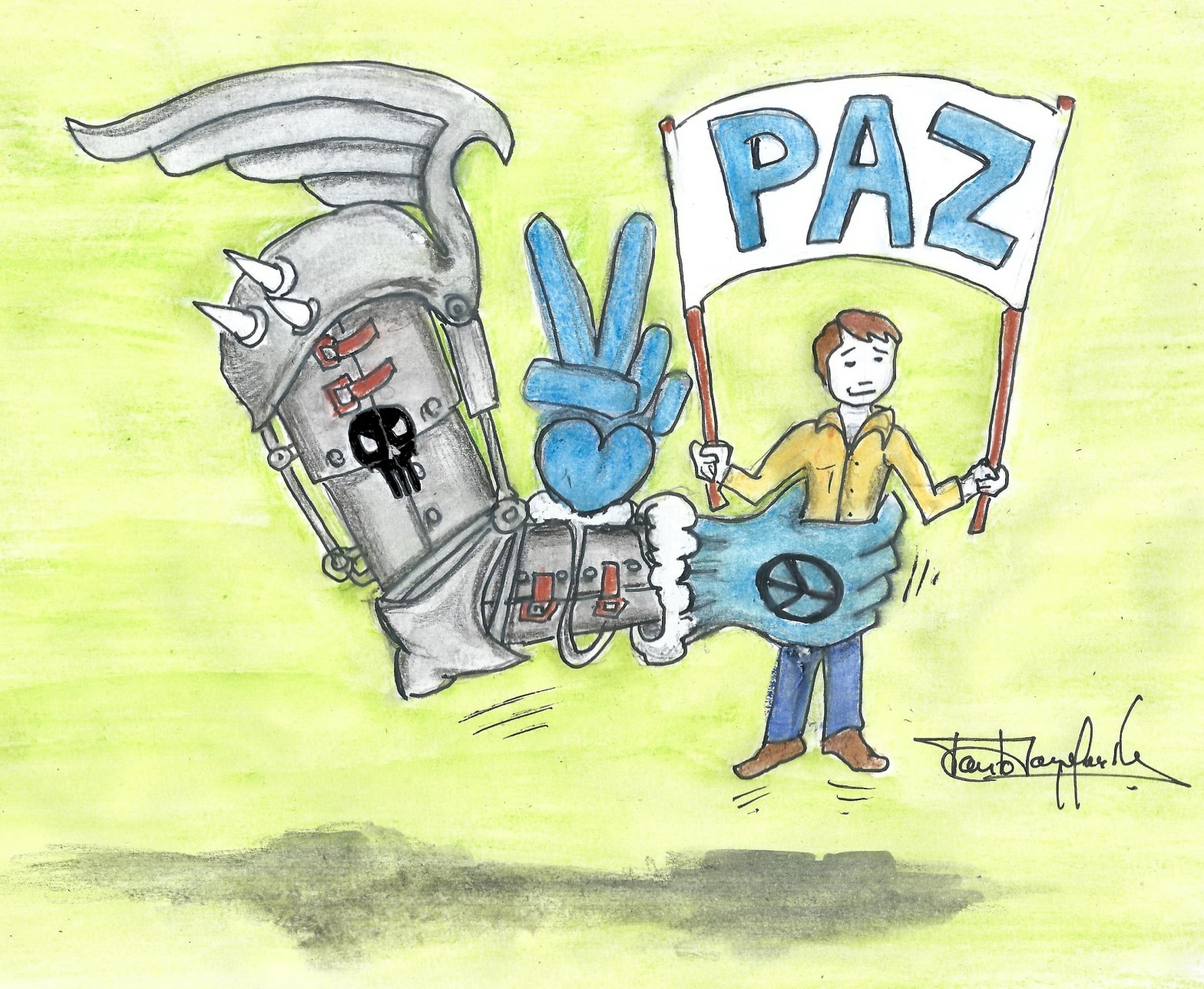
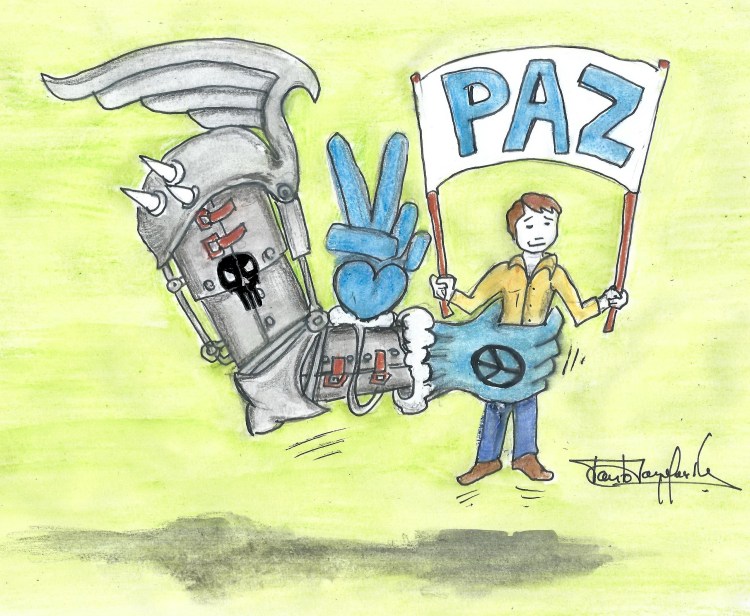
Dir-me-ão que são conflitos congelados e situações de Paz podre. Estou de acordo e tenho poucas dúvidas sobre essa caracterização no tocante à Bósnia, ao Kosovo, ao Iraque e ao Afeganistão. Em todos eles a Paz deve de ser mantida com um punho de ferro envergando uma luva de pelica.
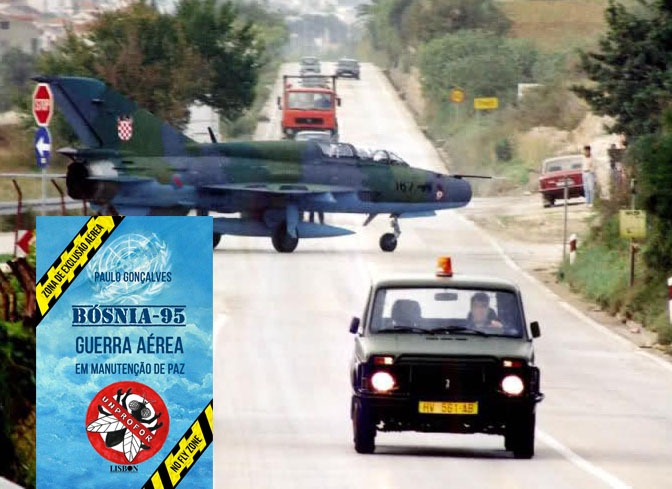
E se a polícia te mandasse parar no meio da estrada, para um caça Mig 21 passar a rolar no regresso de uma missão, diretamente da pista do aeroporto internacional para dentro de uma montanha vizinha? Split – Croácia – 1995.
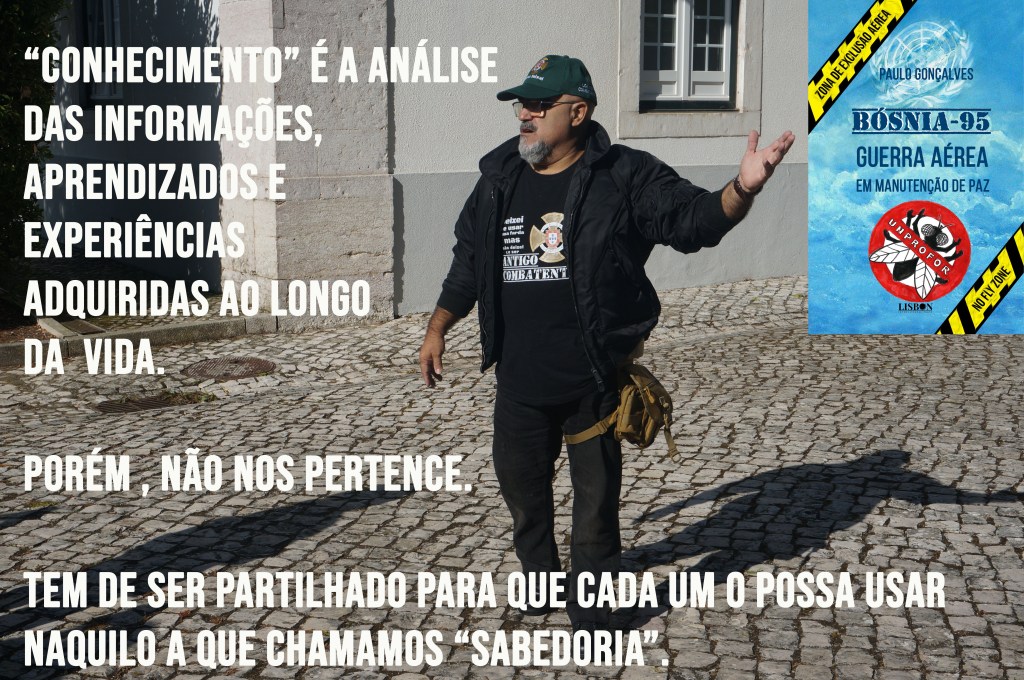
Numa noite fria balcânica, algures num promontório isolado à luz da fogueira, um velho capacete azul, veterano de muitas missões, disse-me que quando chegasse o meu tempo de ser veterano deveria contar as minhas experiências operacionais, porque era assim que se mantinha a cadeia do conhecimento que dava origem à sabedoria.
Esta missão, não decretada mas assumida, de passar conhecimento ao vindouros foi escrita em textos, em luz (com imagens – cartoons) e no silêncio com um musical “The Messenger”
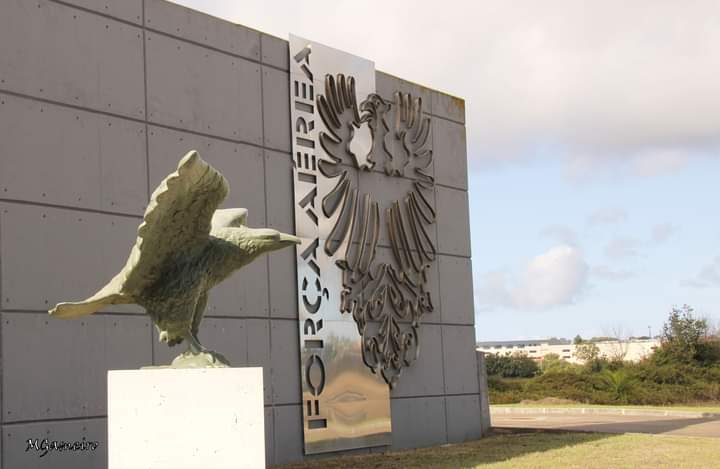
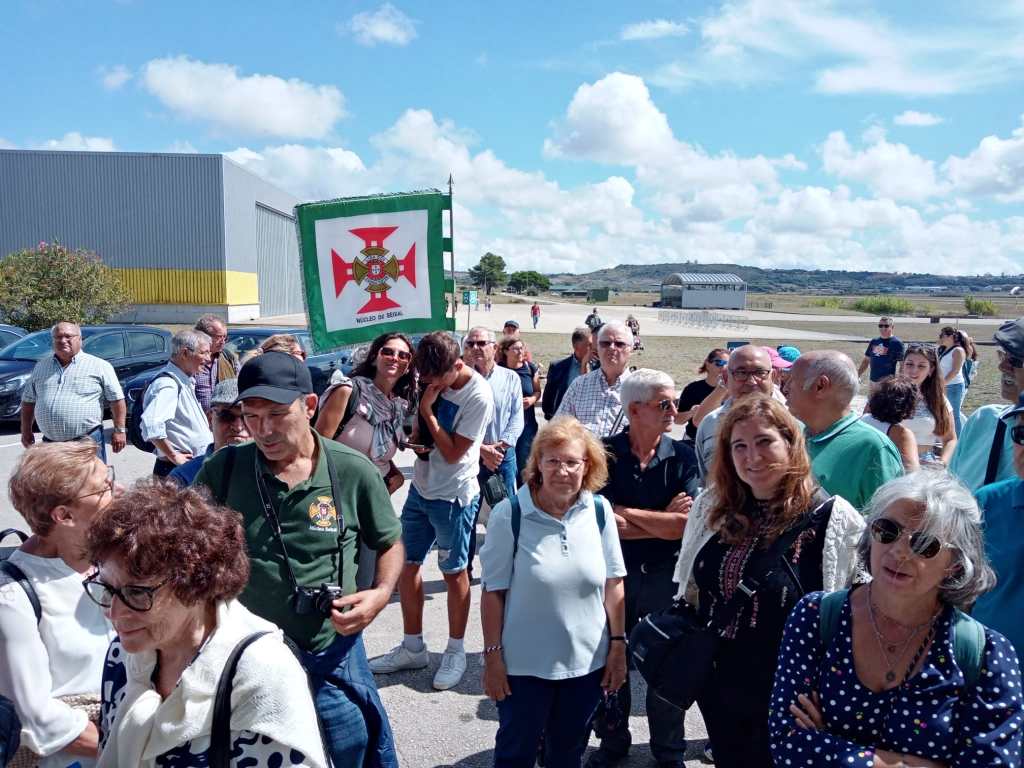
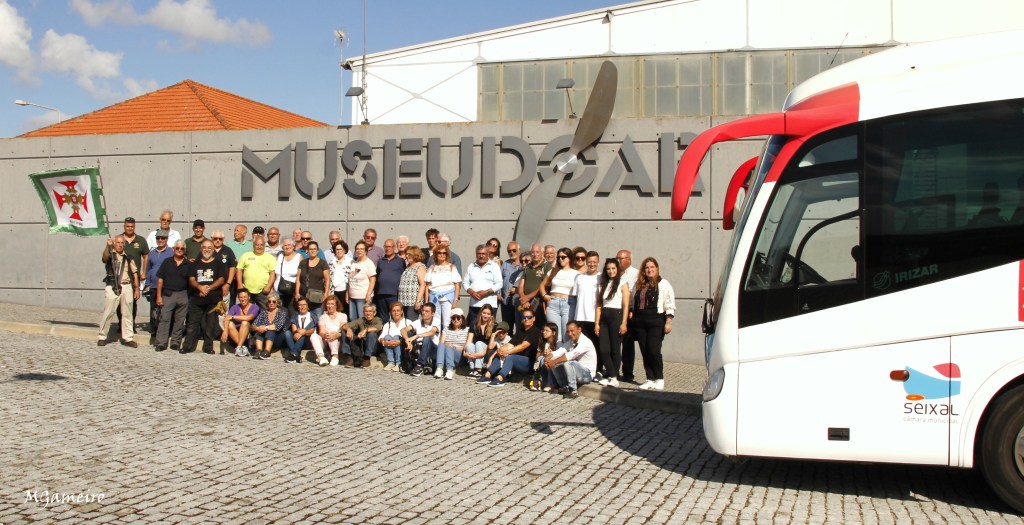
No dia 9 de Setembro de 2023, um grupo de 50 pessoas do Núcleo do Seixal da Liga dos Combatentes visitou o Dia de Base Aberta da Base Aérea nº1 (em Sintra) e o Museu do Ar. A visita teve o apoio da Câmara Municipal do Seixal, que providenciou o transporte, e esteve representada em Sintra com o Vice-Presidente da Câmara Municipal do Seixal, assim como representantes das Juntas de Freguesia da Amora e da União de Freguesias Seixal, Arrentela e Aldeia de Paios Pires.
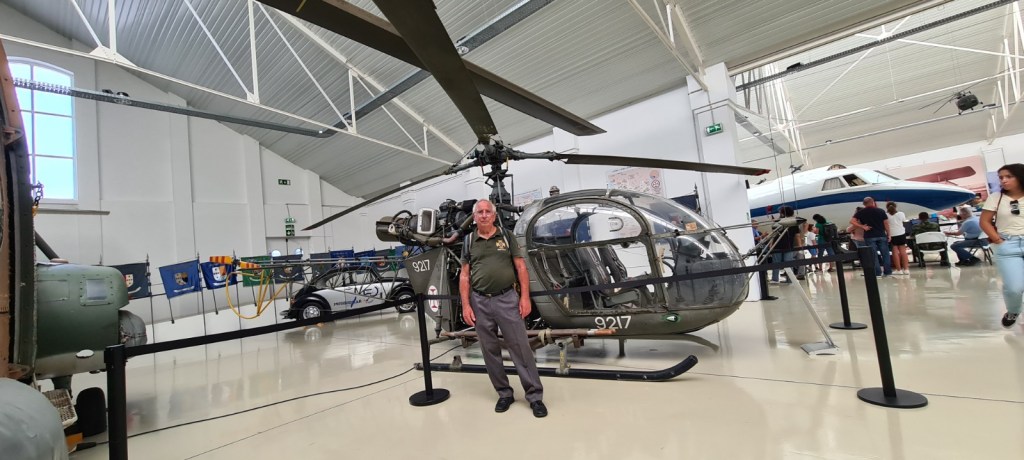
O dia começou cedo, e durante a viagem de Amora para Sintra os visitantes passaaram pelo Estado-Maior da Força Aérea, em Alfragide, onde puderam apreciar o monumento aos aviadores feito com pás dos rotores principais do Alloutte III, e o edifício do EMFA. Pelo caminho, foram recebendo informação Histórica sobre a região onde a Base está implementada e, posteriormente, do surgimento da aviação na Granja do Marquês – o “berço dos aviadores portugueses“.
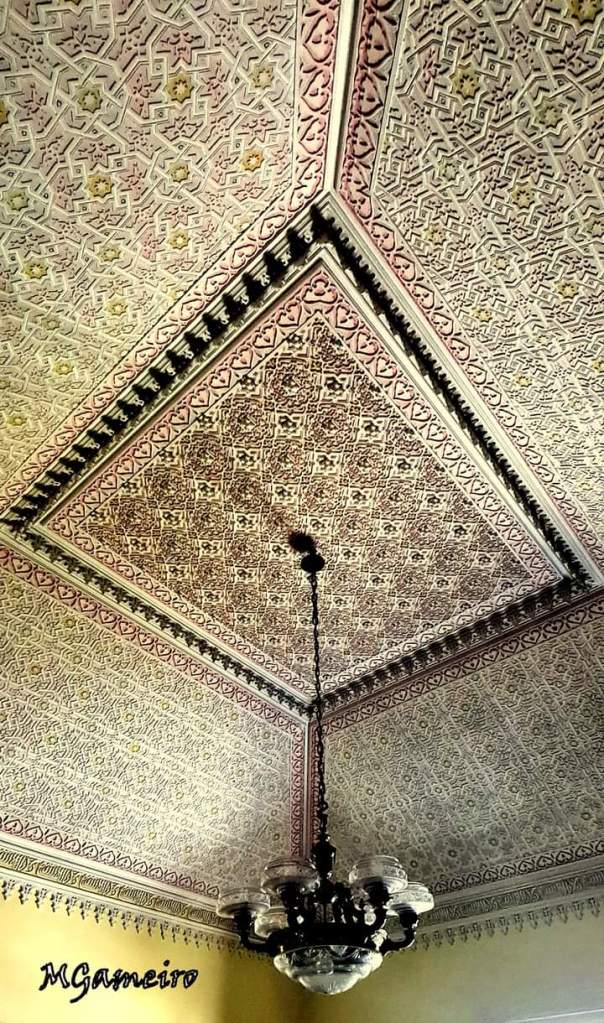
Devido a coordenações prévias com a Força Aérea, e à excelente colaboração do Comando da BA-1 e da Direção do Museu do Ar, os Combatentes Veteranos tiveram acesso a áreas nem sempre abertas ao grande público. À chegada à Granja do Marquês, o evento iniciou-se por uma visita ao Palácio de Sebastião de Carvalho e Melo – avô do Marquês de Pombal (daí a designação do Local “Granja do Marquês”). Os visitantes puderam apreciar a arquitetura do palácio, o aqueduto mandado construir pelo Marquês de Pombal, os tetos com estuques da época, a sala onde a componente aérea da Revolução do 25 de Abril teve lugar, e a forma como a Força Aérea tem tido o cuidado de manter o edifício em excelente estado de conservação.
Os magníficos tetos do Palácio do Marquês de Pombal na BA-1 – note-se o detalhe do último teto, dedicado à cultura islâmica, onde se pode ler na sanca a inscrição em árabe “Alá U Hakbar” (Alá é o único Deus)
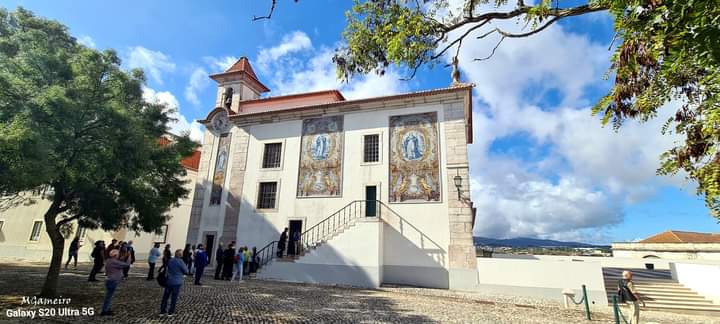
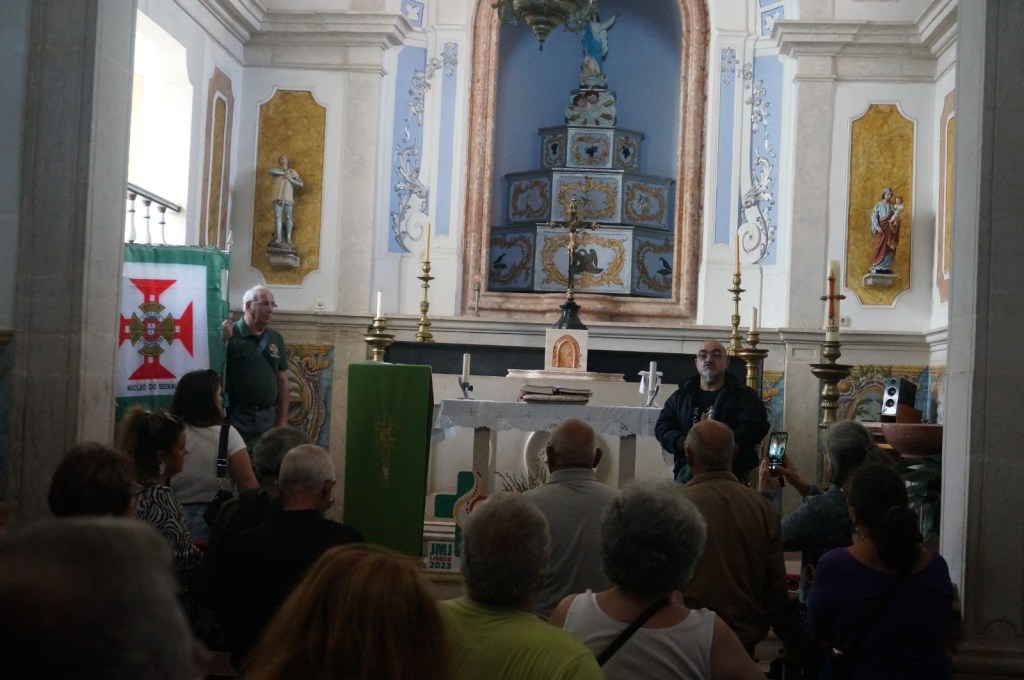
Em seguida, os sócios e familiares do Núcleo do Seixal da Liga dos Combatentes visitaram a capela do Palácio, onde está a figura original da Nossa Senhora do Ar, a qual foi entronizada em cerimónia religiosa após Bula Papal que atribuiu o estatuto de Padroeira dos argonautas portugueses. Os visitantes receberam uma explicação sobre a Padroeira da Força Aérea e a forma como a esmagadora maioria dos militares de um Ramo militar absolutamente tecnológico e laico respeitam a figura da Padroeira.
O local onde nasceu o culto a Nossa Senhora do Ar
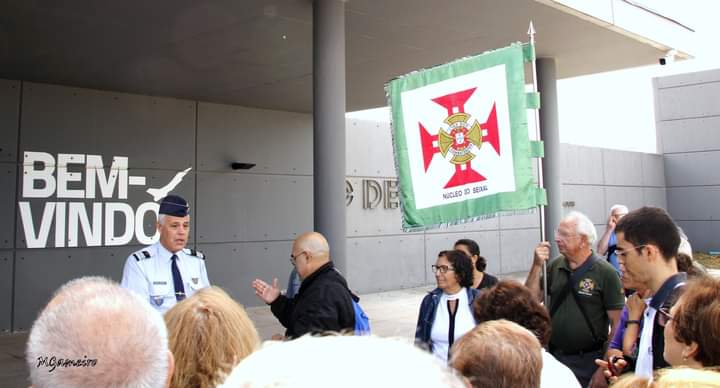
Ato continuo, os visitantes dirigiram-se ao Museu do Ar, tendo sido recebidos pelo Diretor do Museu – Coronel Mouta Raposo.
O Diretor do Museu do Ar deu as boas-vindas ao pessoal do Núcleo do Seixal da Liga dos Combatentes.
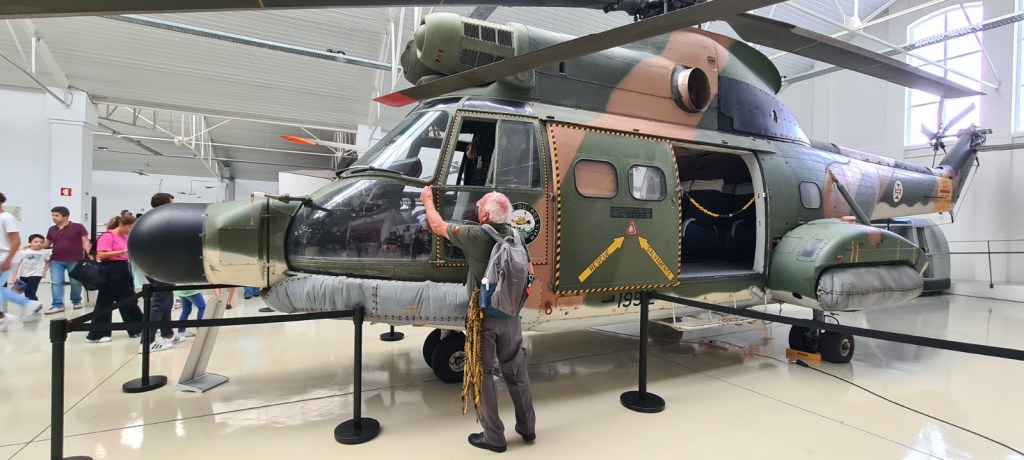
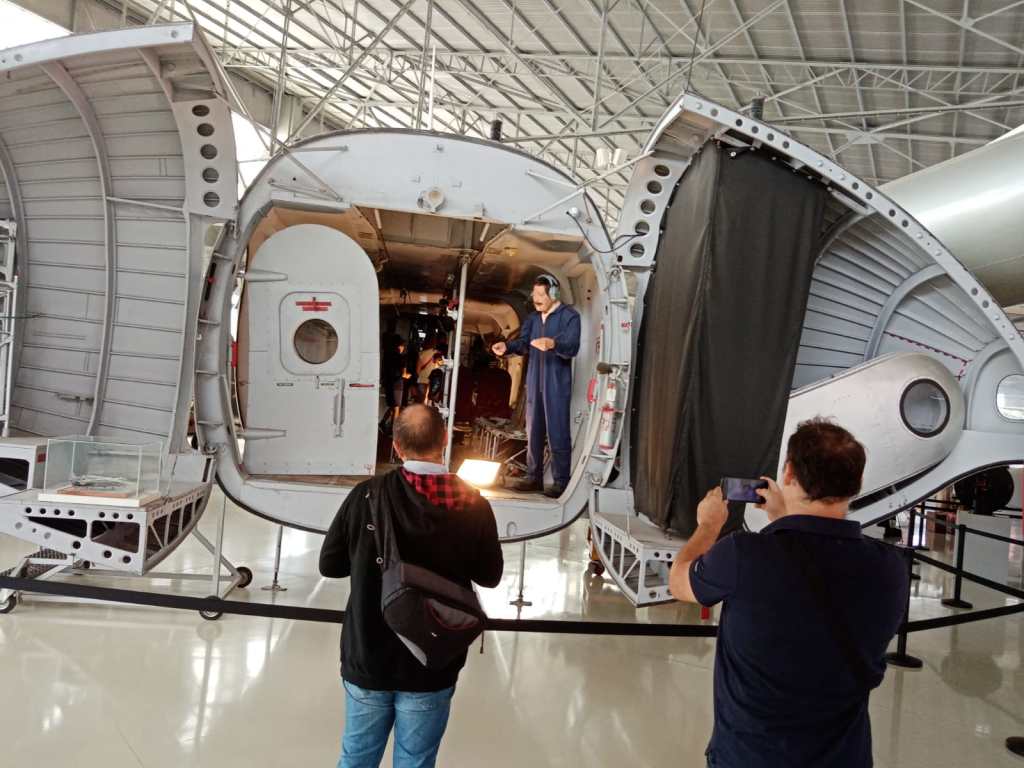
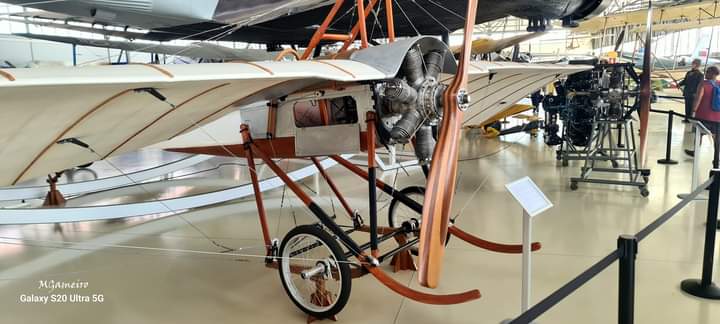
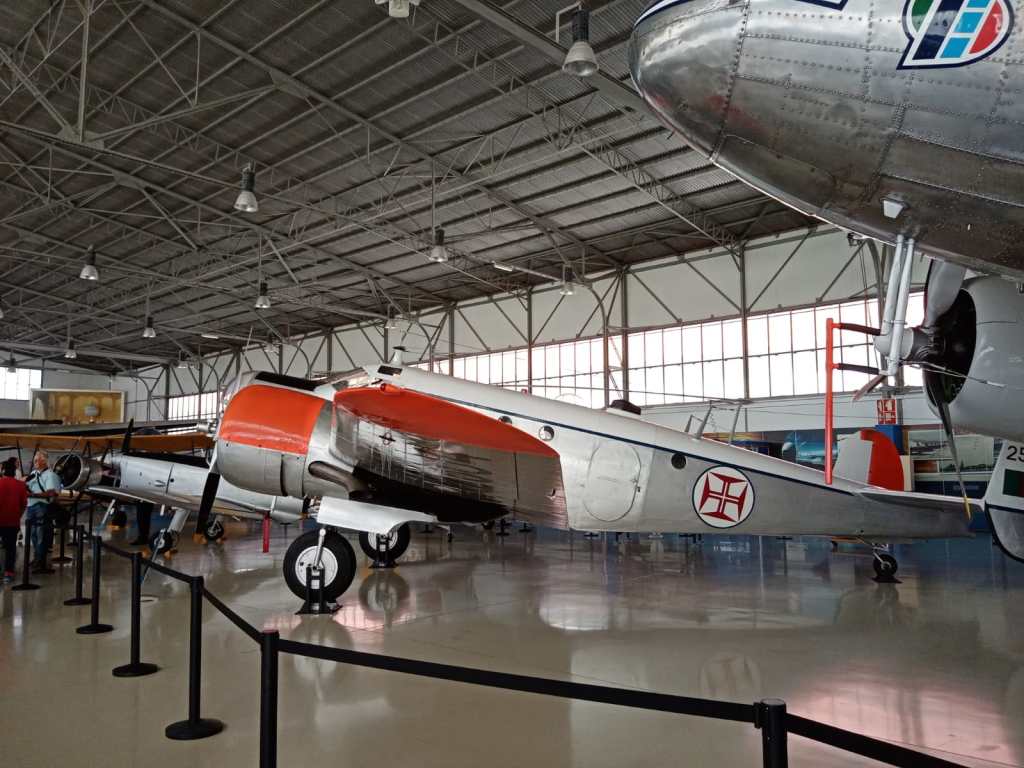
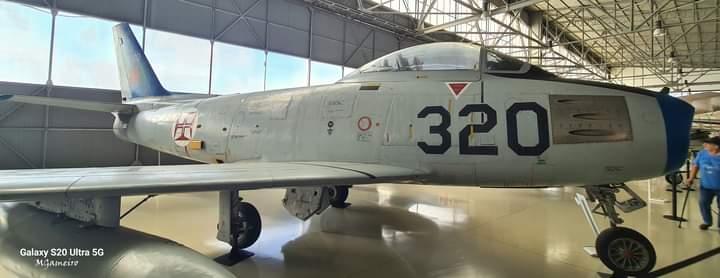
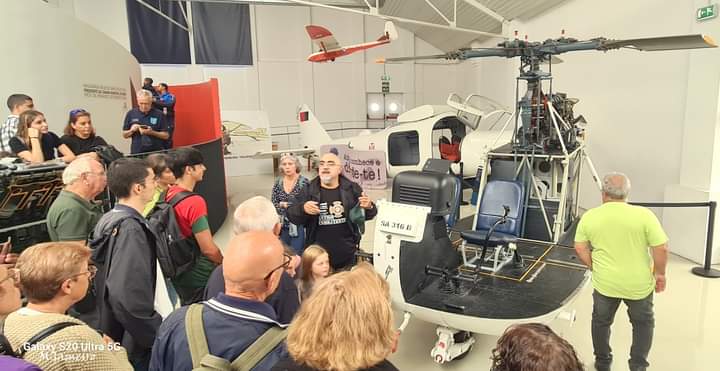
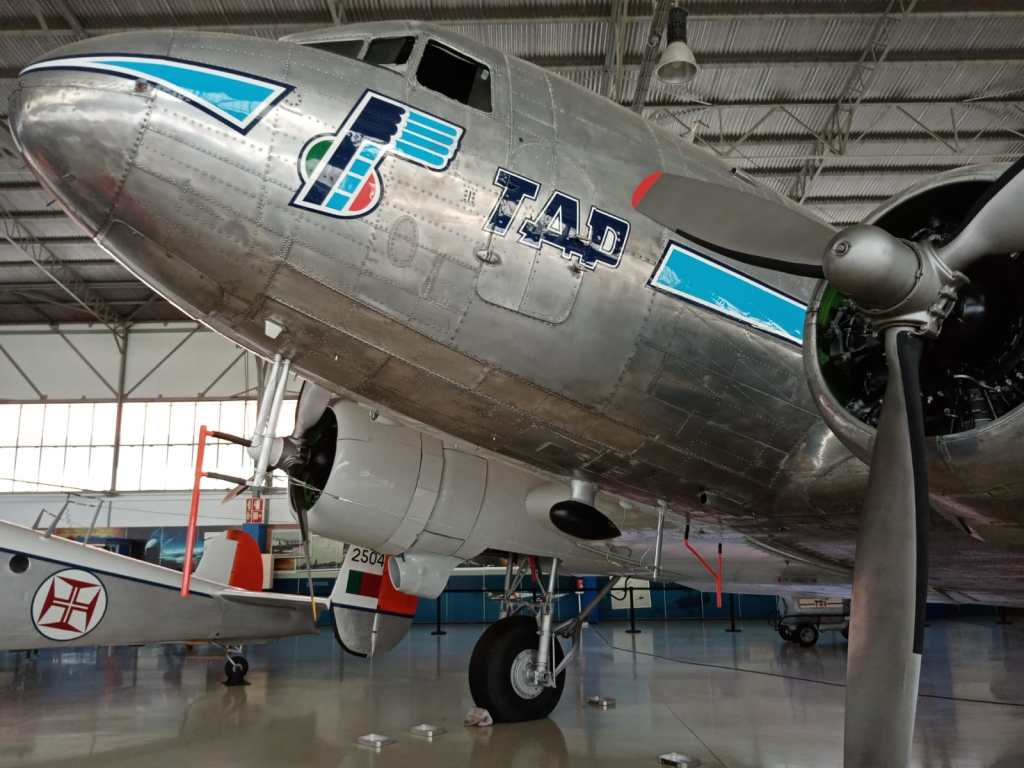
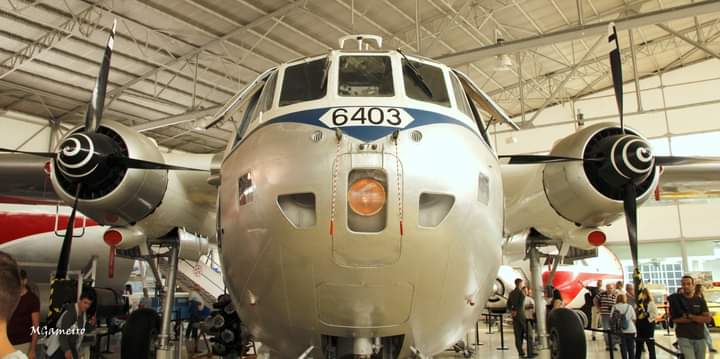
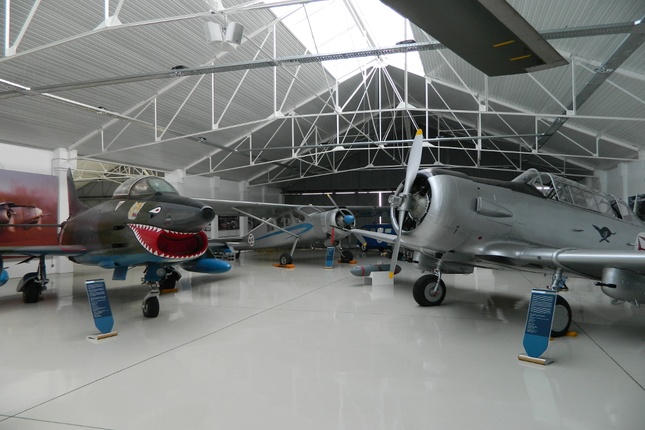
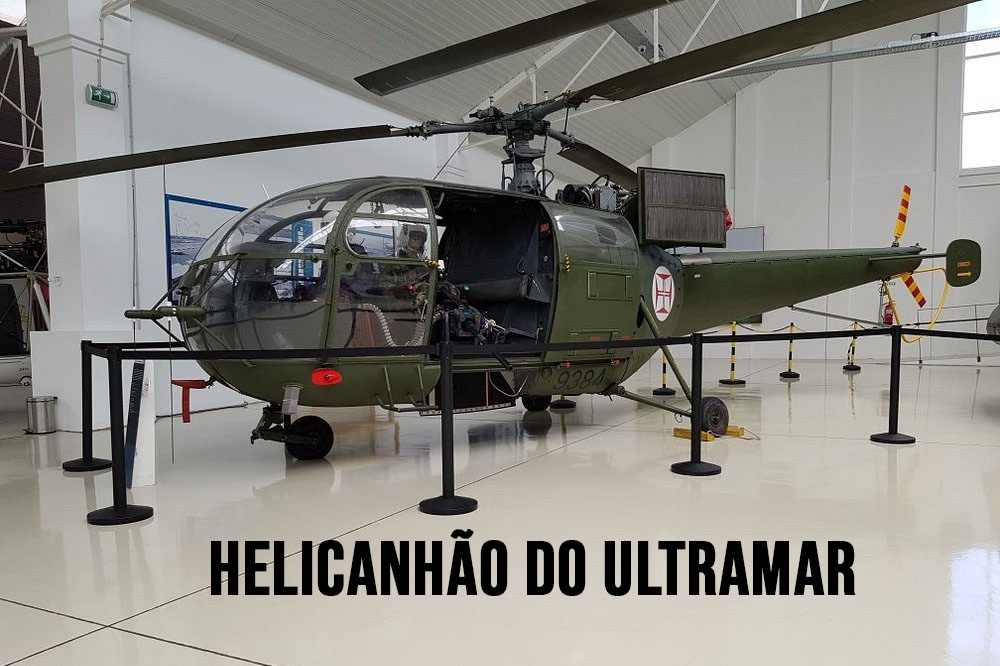
Dentro do Museu do Ar, considerado um dos 10 melhores museus de temática aeronáutica da Europa, os visitantes puderam ver aeronaves “vintage” e modernas, algumas das quais peças únicas no Mundo. Os veteranos da Guerra do Ultramar reviram com a lágrima ao canto do olho os aviões que os apoiaram nos céus das antigas províncias ultramarinas, e os jovens puderam ver e tocar as máquinas das histórias dos seus avôs.
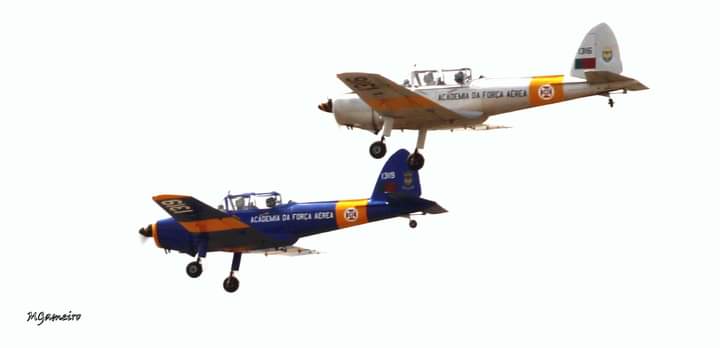
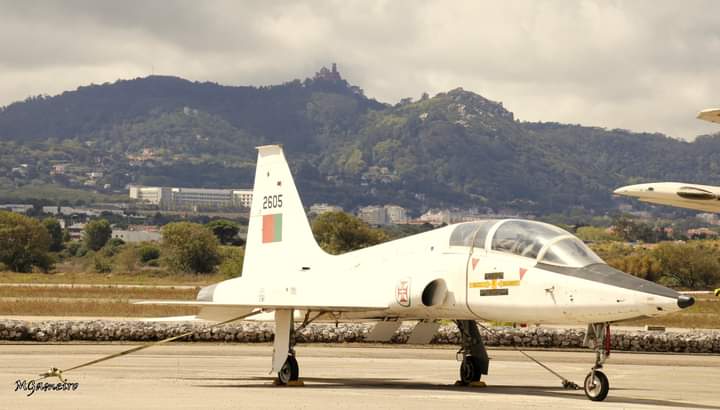
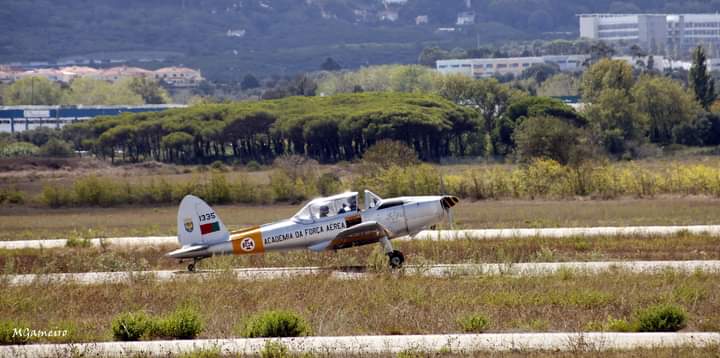
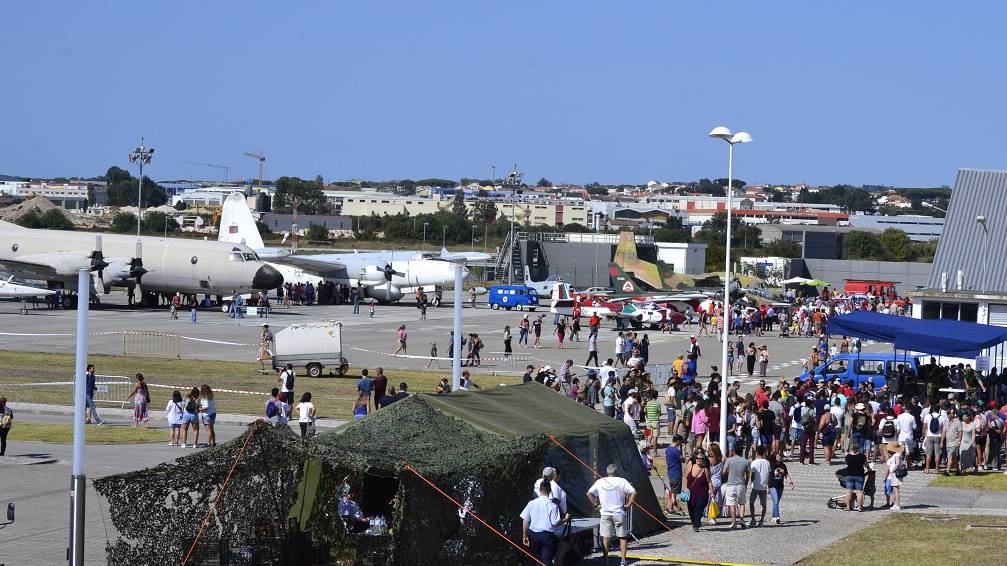
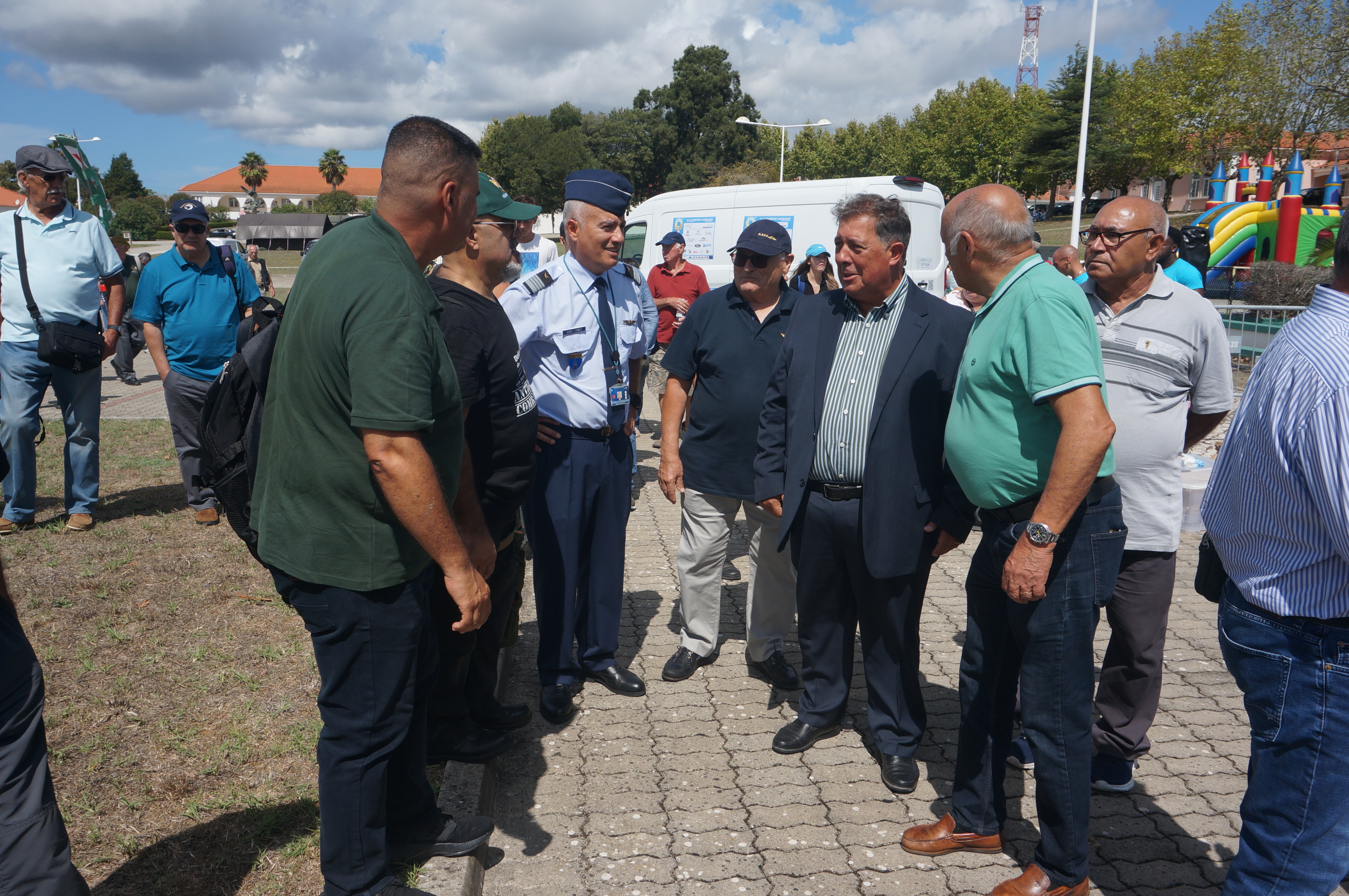
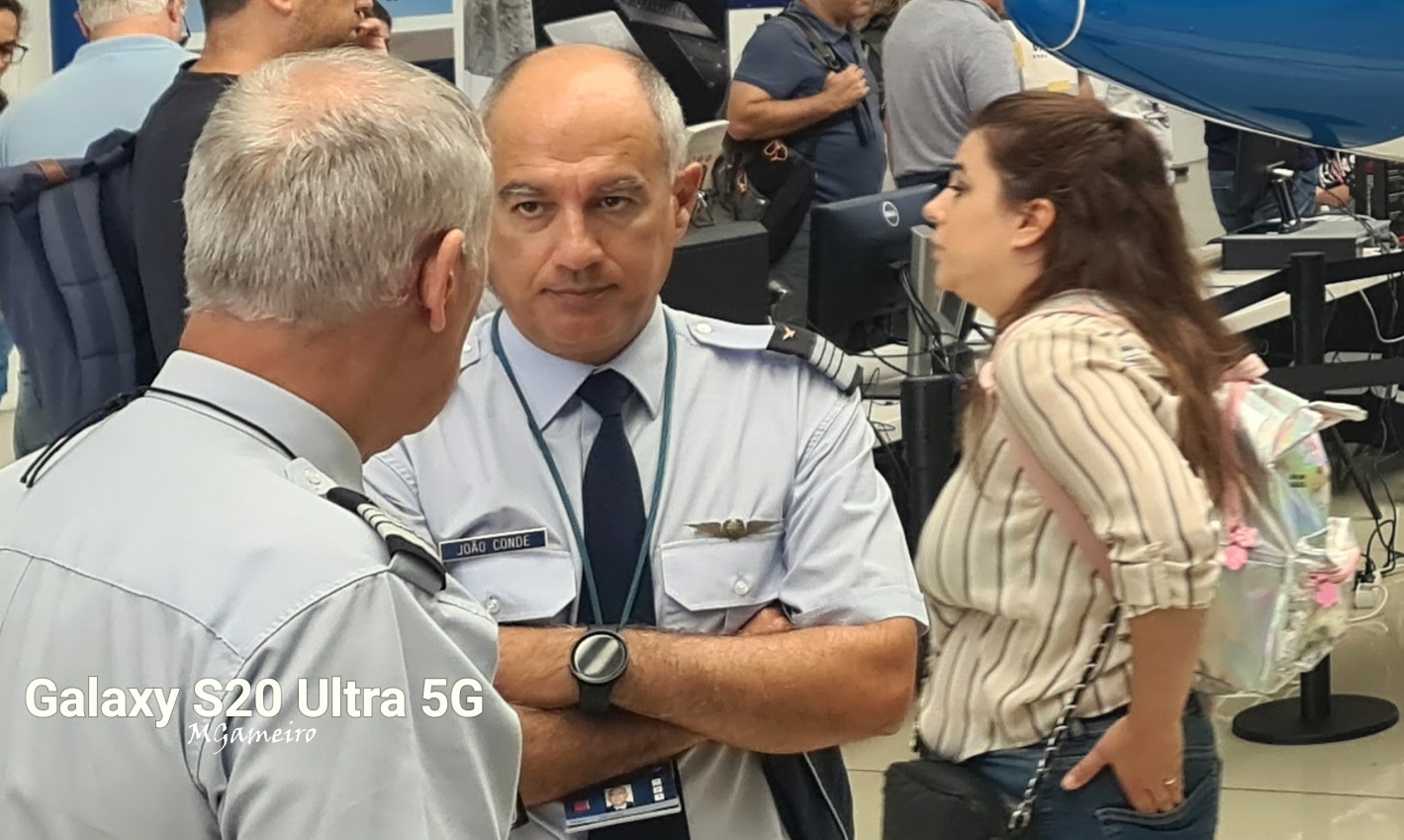
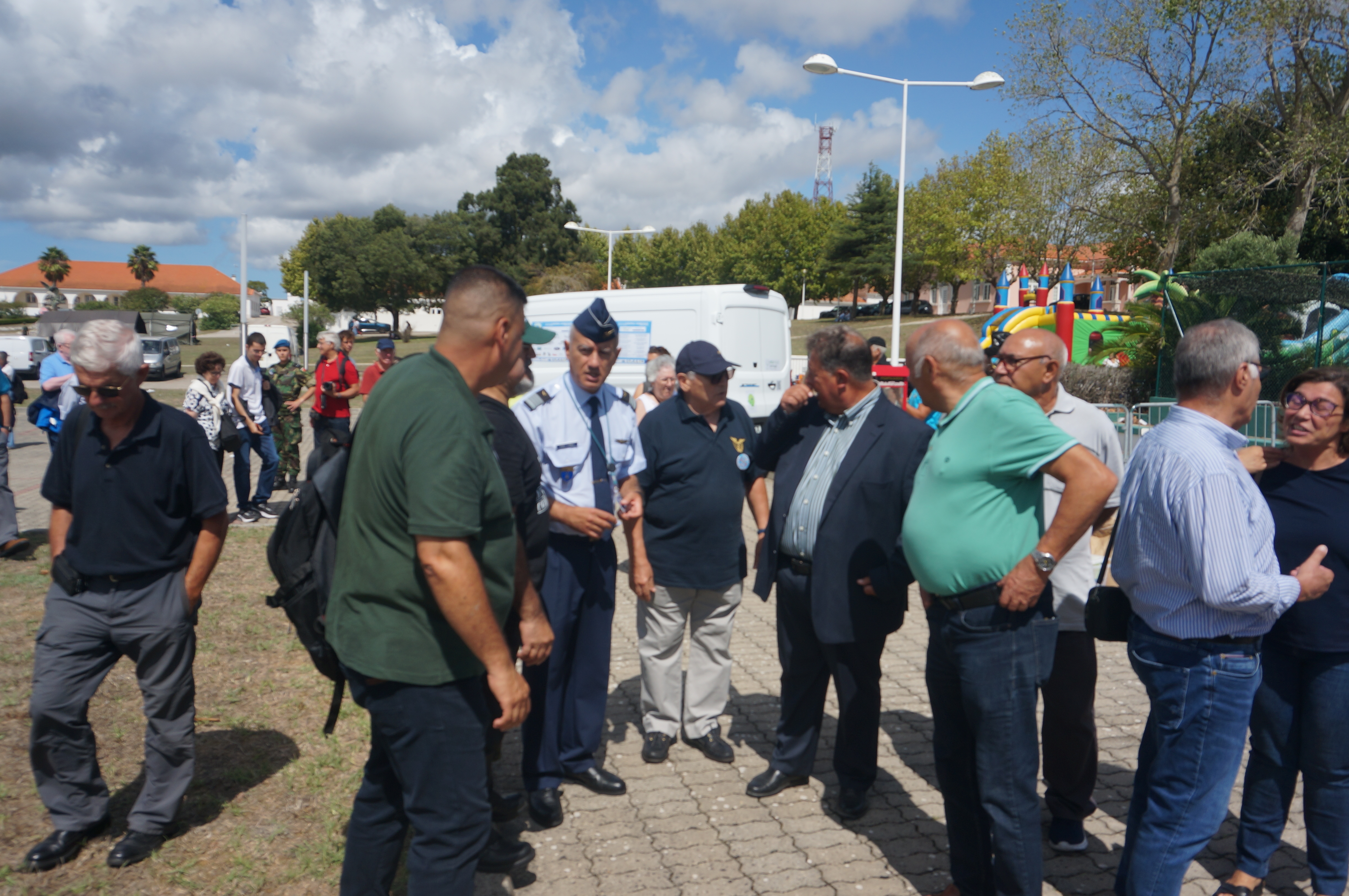
Fora dos hangares do Museu, os veteranos do Seixal juntaram-se à população de Sintra que visitava a Base Aérea, tendo a oportunidade de verem várias aeronaves a voar aeronaves, e o Comandante da Base Aérea nr. 1 – Coronel João Conde – recebeu o Vice-Presidente da Câmara Municipal do Seixal – Sr. Joaquim Tavares – e interagiu com os Combatentes Veteranos.
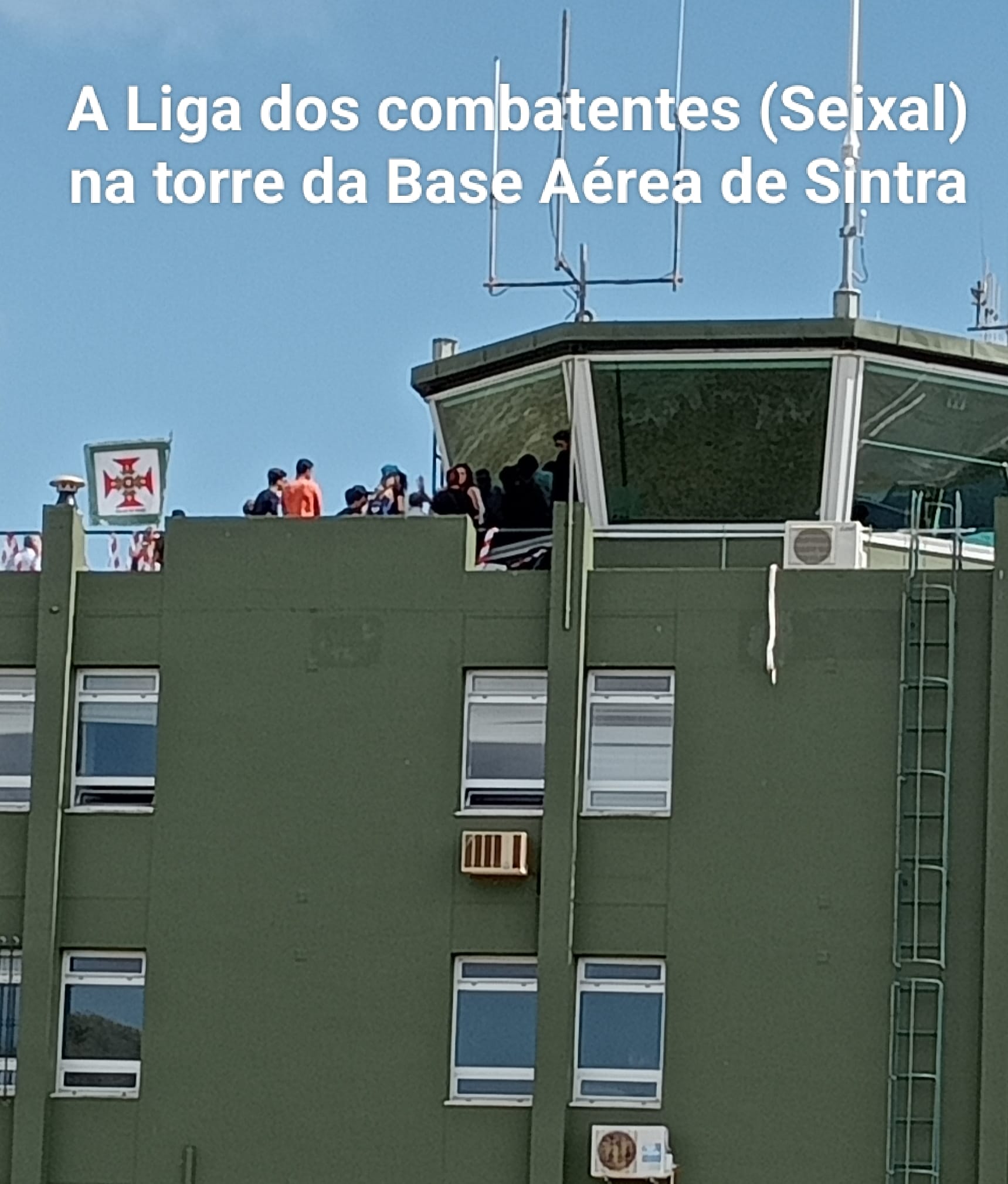
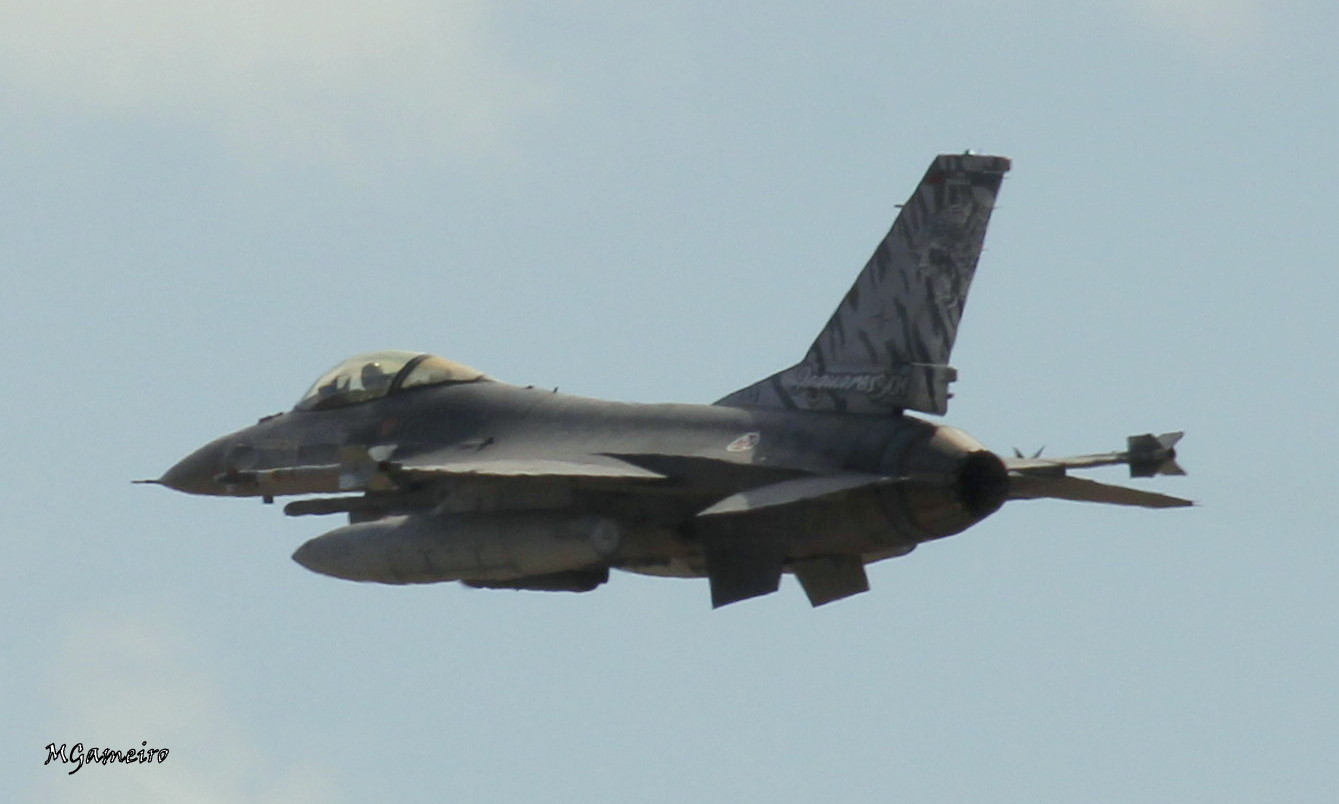
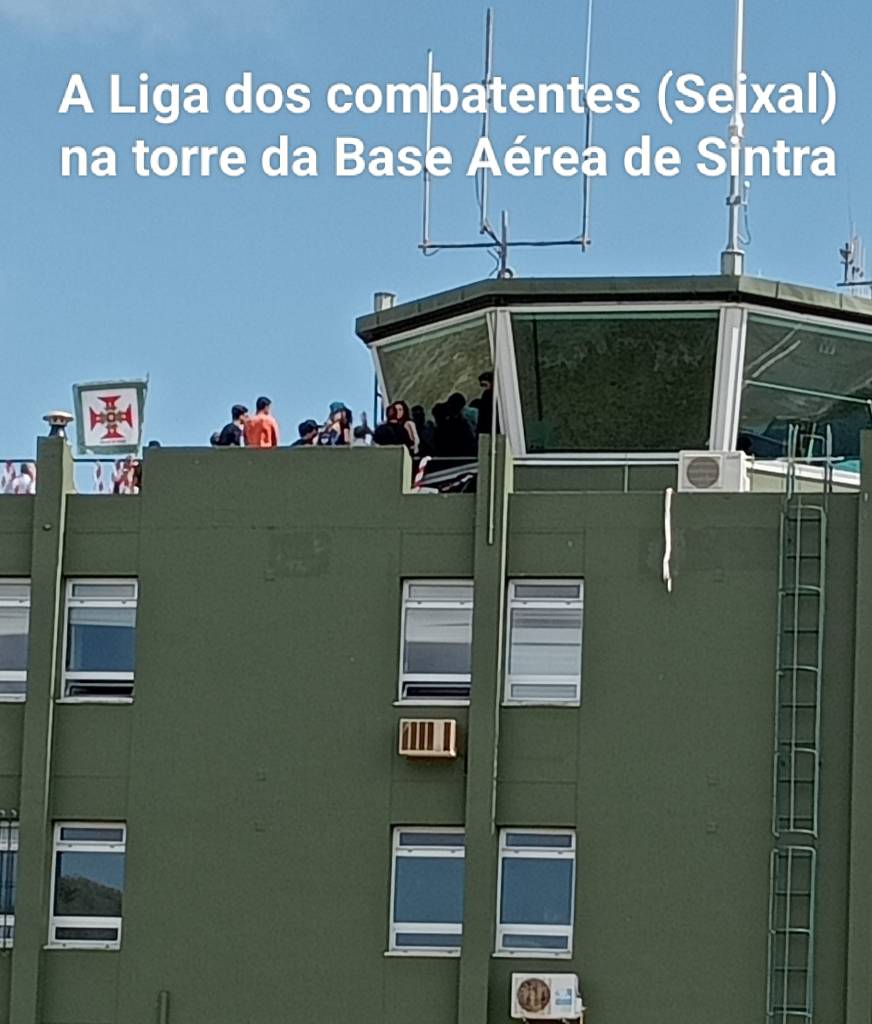
Após uma almoço ligeiro, em jeito de piquenique, os veteranos e familiares deslocaram-se à Torre de Controlo da Base onde, para além de uma boa explicação da forma como se faz o controlo do tráfego aéreo, puderam assistir a um ataque simulado de caças F-16 à BA-1.
Houve ainda demonstrações de falcoaria, com a apresentação de várias aves de rapina, uma área pouco conhecida mas essencial na atividade aérea da Base para afastar aves que possam prejudicar as descolagens e aterragens das aeronaves. Também pudemos assistir a demonstrações de técnicas, táticas e procedimentos de segurança militar em combate, as quais incluíram a sempre apreciada intervenção dos cães militares da Polícia Aérea.
Estava superiormente autorizado um voo em C-130 para os sócios do Núcleo do Seixal da Liga dos Combatentes, mas, devido à dramática situação que se viveu na noite anterior em Marrocos, a aeronave cancelou os batismos de voo para ir resgatar cidadãos portugueses que estavam retidos naquele país. Contrariamente ao que se poderia esperar, os candidatos ao batismo de voo em Sintra não ficaram desiludidos, antes pelo contrário, houve palavras de apreço e elogio à Força Aérea por estar “pronta à mínima solicitação” (Ex Mero Motu) em prol de Portugal e dos portugueses, onde quer que fosse.
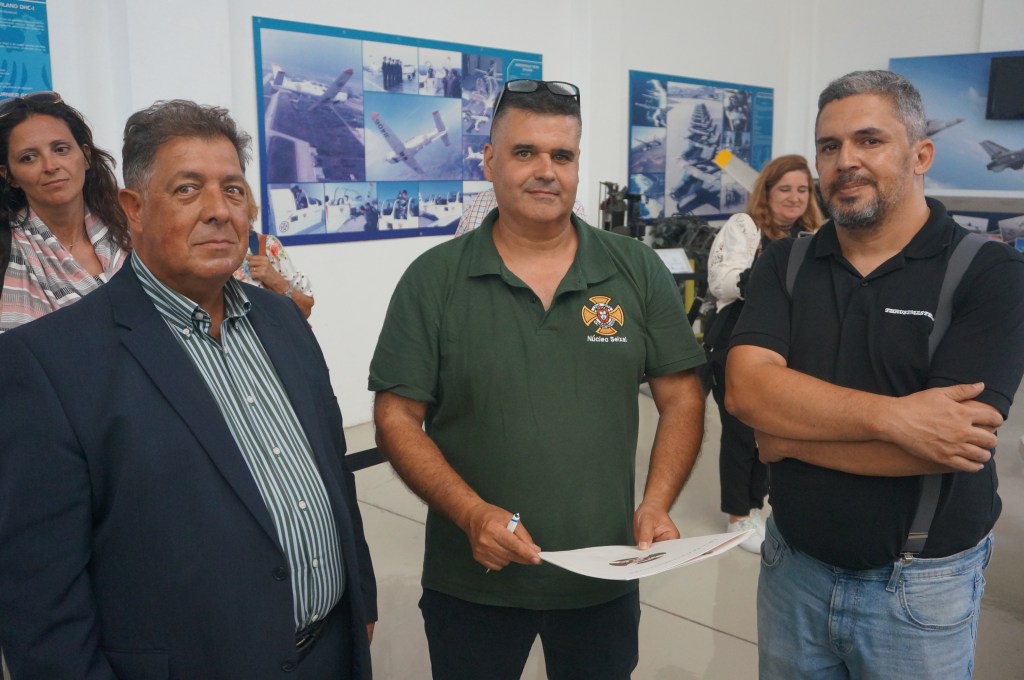
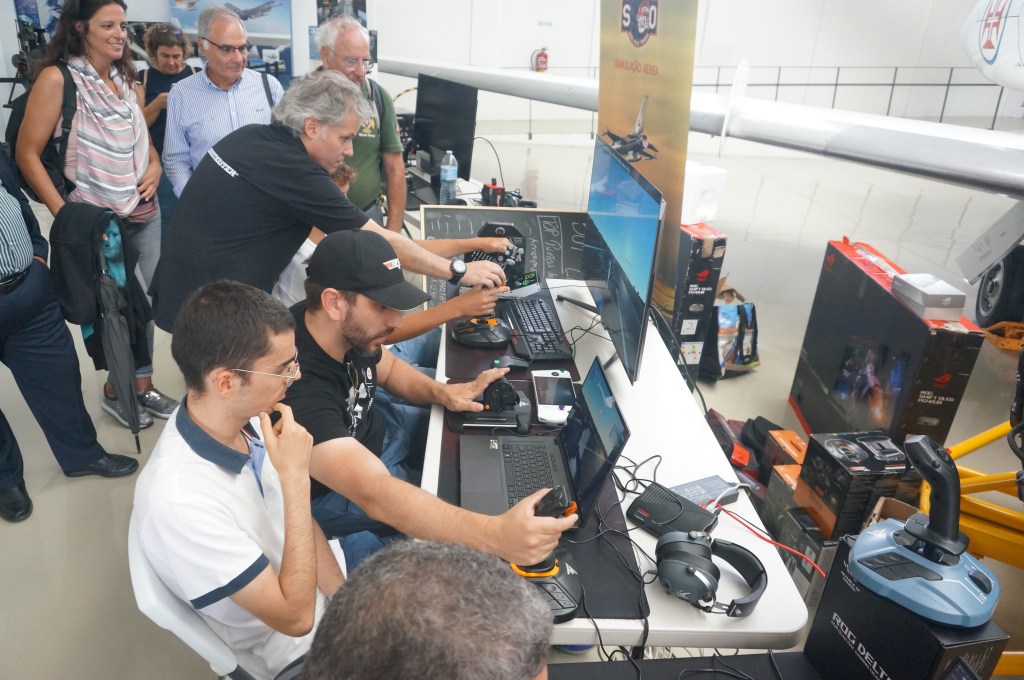
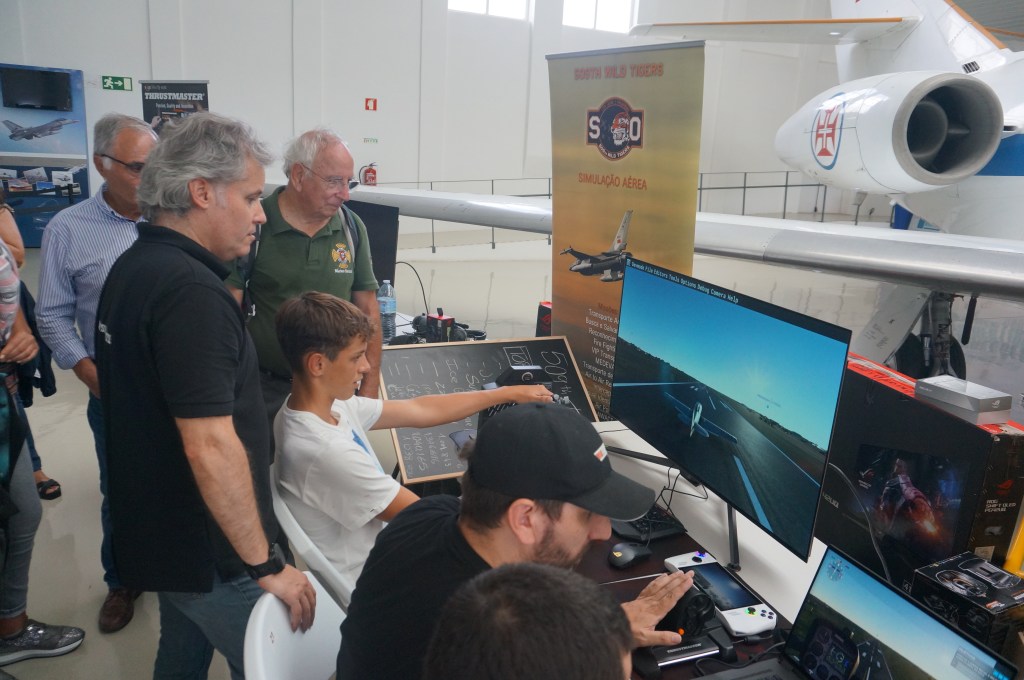
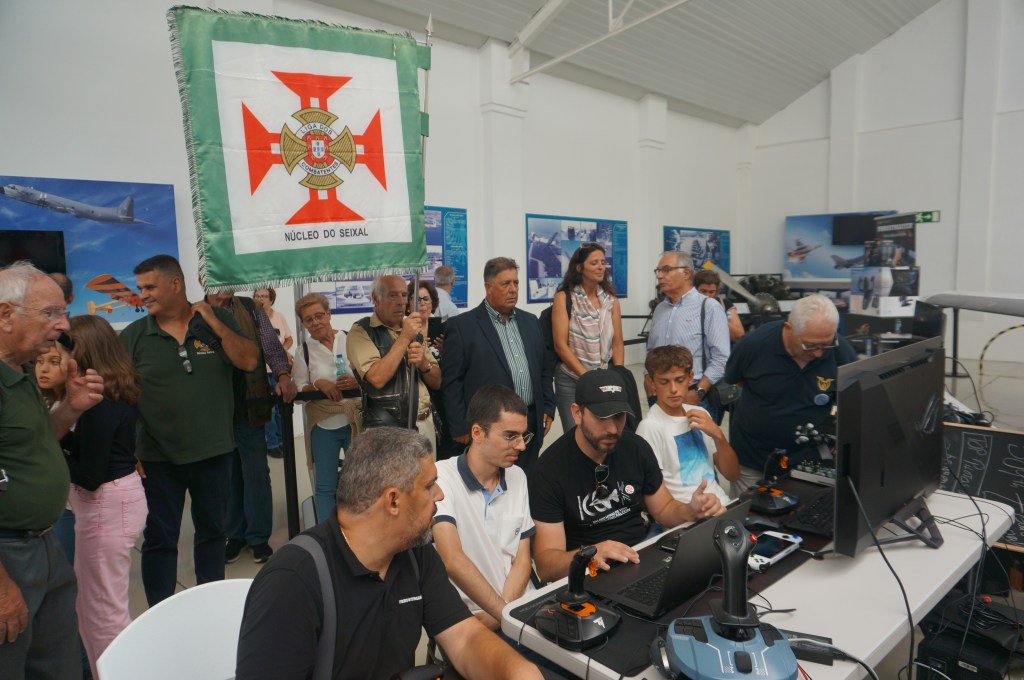
O programa continuou com um momento muito especial, a simulação de uma missão de resgate aéreo de um combatente português, durante a Guerra do Ultramar em Moçambique. O cenário foi baseado numa história real, onde dois Allouette III escoltados por um T-6 saíram de Vila Cabral para resgatar um grupo de soldados feridos em combate. A simulação, elaborada pelo grupo de aficionados pela simulação de voo militar, conhecidos por “Esquadra 509 -Tigers”, teve o detalhe de apresentar as aeronaves em questão, e respetivos aviónicos, pormenorizadamente construídas digitalmente conforme o eram na época, e as paisagens correspondentes com as coordenadas fornecidas do norte de Moçambique. Os “pilotos” foram dois jovens familiares dos Veteranos do Seixal, que não demoraram muito tempo a aperceber-se que “pilotar uma aeronave tem muito que se lhe diga”! Após a simulação o representante da “Esquadra 509 Tigers” – Sr. Luís Nogueira (à direita na foto) e o Presidente do Núcleo do Seixal da Liga dos Combatentes – Coronel Luís Martins (ao centro na foto) – assinaram o documento que passará a referenciar este apoio, na presença do Vice-Presidente da Câmara Municipal do Seixal – Sr. Joaquim Tavares (à esquerda na foto). Esse documento reflete o estatuto de Sócio Apoiante do Núcleo, conforme os estatutos da Liga, e visa um apoio ao núcleo por parte da “Esquadra 509 – Tiger”
com software e hardware em simulação de voo por computador, nos eventos onde o núcleo esteja presente no futuro.
No final, antes de sair da BA-1, a Direção do Núcleo do Seixal da Liga dos Combatentes entregou à representação de apoio social da região de Sintra mais de 40 quilos em bens alimentares não perecíveis, a fim de apoiar as famílias necessitadas da região. No regresso à margem sul do Tejo, a viatura cedida pela Câmara Municipal do Seixal passou ainda pela Academia da Força Aérea e, já no exterior do complexo militar de Sintra percorreu uma série de localidades em volta da Base, onde foram descobertos vestígios arqueológicos do tempo Neolítico.
Os C-130 da esquadra 501 – Bisontes – são conhecidos por “ligarem os portugueses no Mundo”. Ontem, mais uma vez, infelizmente para o povo marroquino, tiveram de o fazer d novo.
Estava previsto terem feito batismos de voo no dia de Base Aberta da BA-1 (Sintra). O cancelamento desse voo para o avião se deslocar a Marrocos foi aplaudido por todos os que estavam à espera de voar em Sintra. Não houve desilusão mas sim apreço.
São estas coisas que nos fazem sentir bem como elementos que fizeram parte, fazem parte, ou irão fazer parte de uma equipa que marca a diferença. EX MERO MOTU !!!
A nova polémica da Guerra na Ucrânia são as munições de Urânio Empobrecido. Em termos muito básicos, são balas recobertas de um metal extremamente duro (Urânio Empobrecido) que têm a capacidade de penetrar blindagens, O problema é que o Urânio Empobrecido é radioativo. A emissão de radiação nociva é fraca, mas existe e pode contaminar materiais, organismos e terrenos onde essas munições fiquem enterradas.
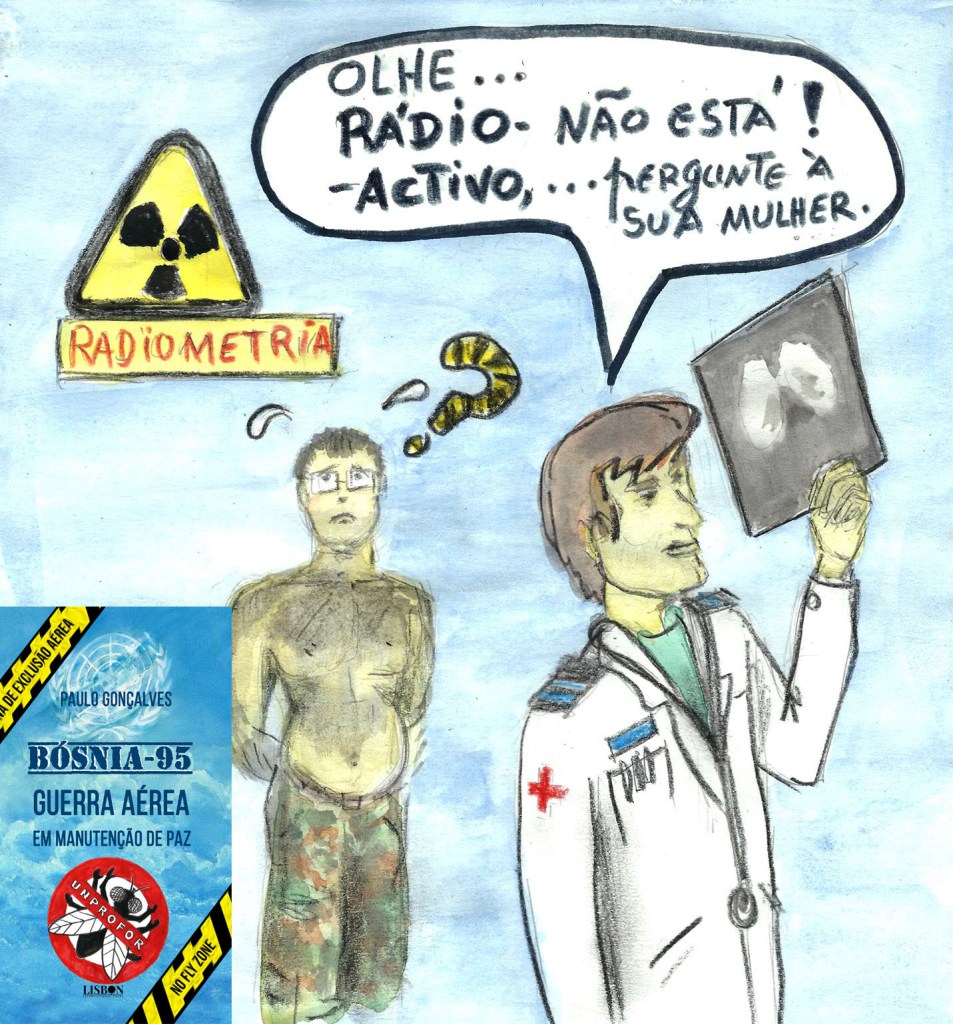
Recordo os exames feitos no Hospital da FAP (radioatividade) dois anos depois de ter regressado da Bósnia.
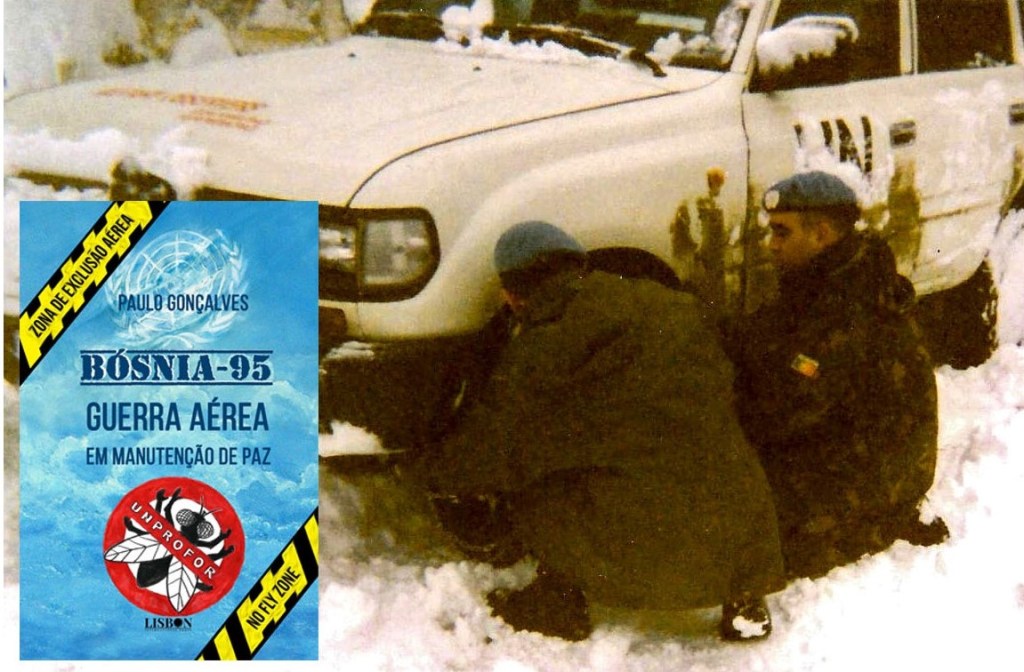
Na missão das Nações Unidas da ex-Jugoslávia (UNPROFOR) todos os invernos tínhamos de mudar de pneus dos veículos que nos estavam atribuídos. Porém, quando a neve era abundante – o que acontecia com regularidade – nem sequer os pneus de inverno nos valiam para podermos continuar a conduzir “all weather”. Tínhamos então de aplicar as correntes de neve e passar a conduzir em modo 4×4 e de uma forma bastante mais defensiva. Para um português (alfacinha), muitas destas experiências eram novidade e, uma vez que a missão não se compadecia com restrições de diferentes latitudes, e cada um conduzia o seu próprio veículo, o que tinha a fazer era aprender rapidamente com quem sabia da poda., no caso – com os canadianos!
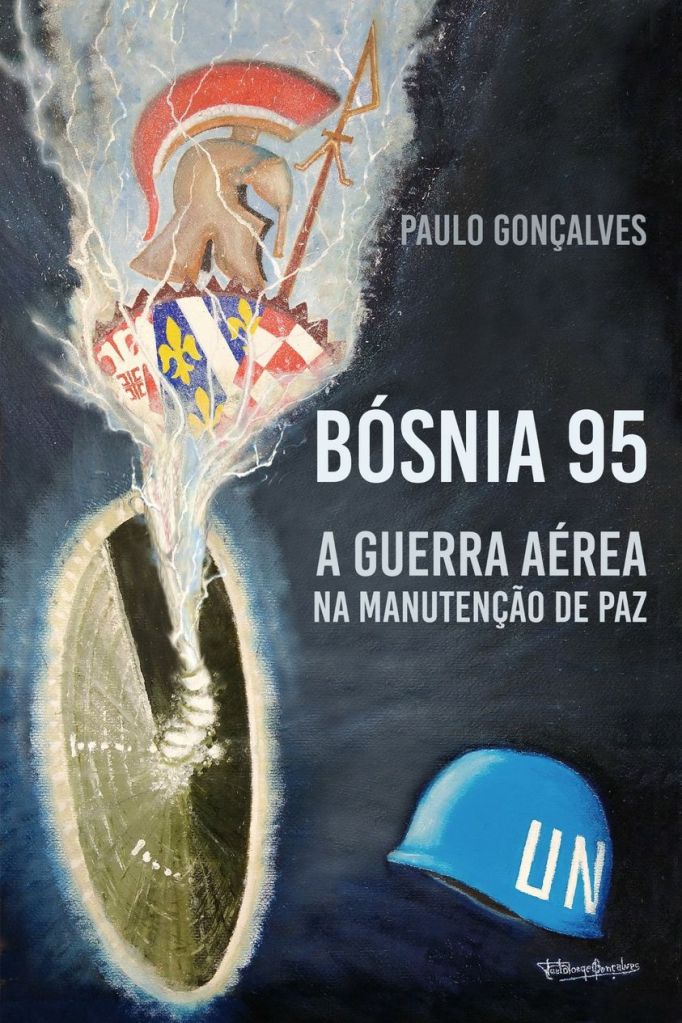
Durante os cerca de 3 anos que durou a guerra na Bósnia Herzegovina, os radares viram muita coisa que os historiadores não registaram. O último ano dessa guerra teve um português a liderar a equipa de observadores radaristas da ONU que vigiava a Zona de Exclusão Aérea, usando radares sérvios.
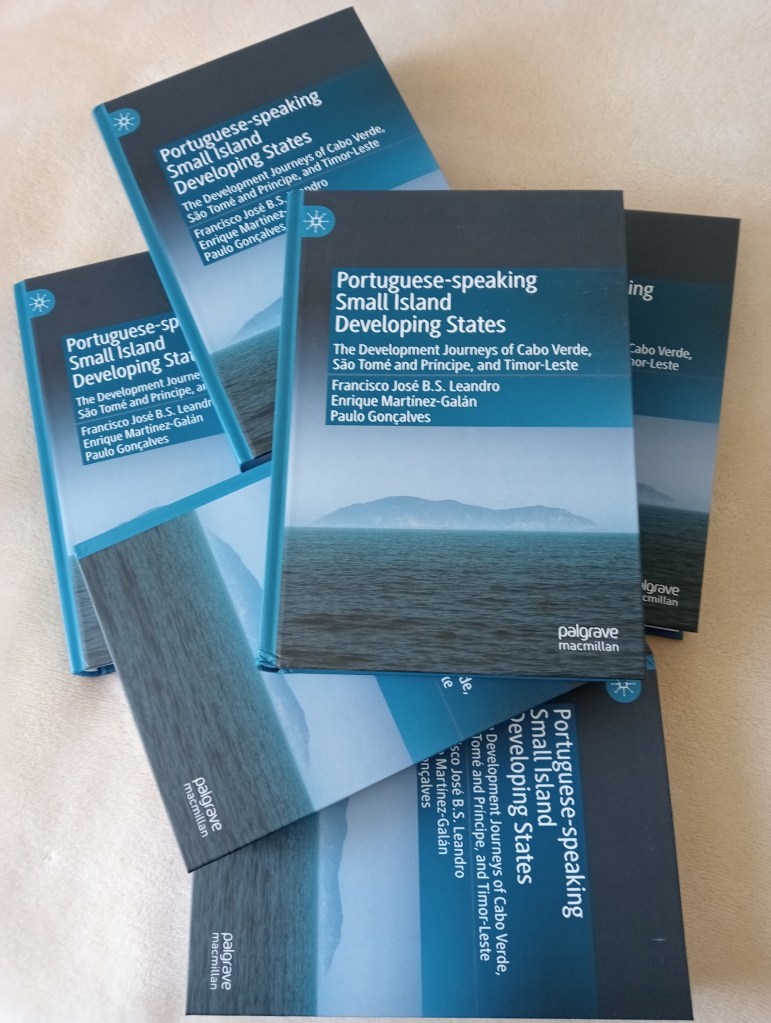
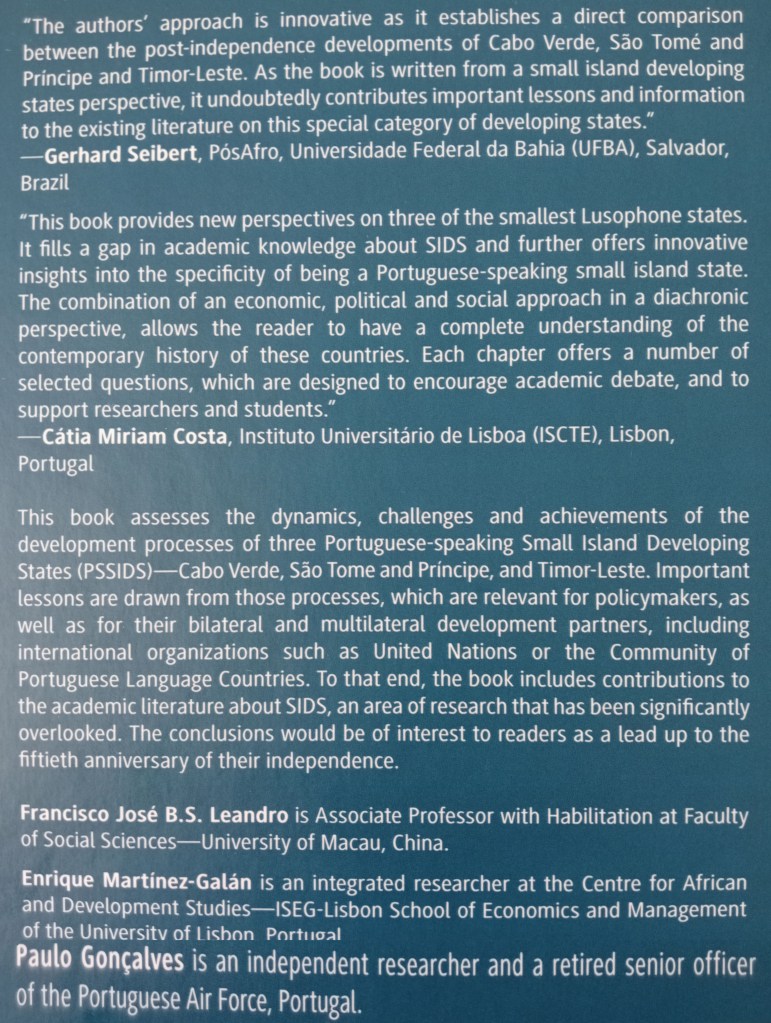
Finalmente chegaram. 495 páginas e 40 imagens que nos levaram muitas horas de trabalho a elaborar. Procurámos ser inovativos na análise das dinâmicas económicas, sociais, politicas e diplomáticas de Cabo Verde, São Tomé e Príncipe e Timor-Leste.
Mantendo uma tradição de controlo de qualidade, a editora Palgrave Macmillan fez um “peer review” particularmente exigente, mas o trabalho de investigação esteve à altura e mereceu créditos internacionais.