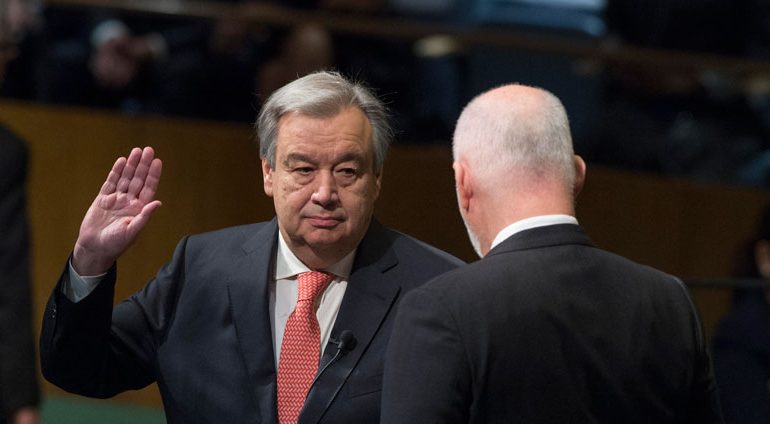
The Portuguese Prime Minister stated that Portugal formally supports the re-application of António Gueterres to the next turn of Secretary-General of the United Nations, starting in January 2022, for five more years. Thus the Portuguese Government will therefore send a letter to the Presidency of the Security Council and the Presidency of the UN General Assembly.
UN photo
Global climate, the Oceans, COVID 19 Pandemic, World’s Peace and Stability and the reform of the United Nations are the major fields Guterres is expected to deal will during his upcoming mandate.
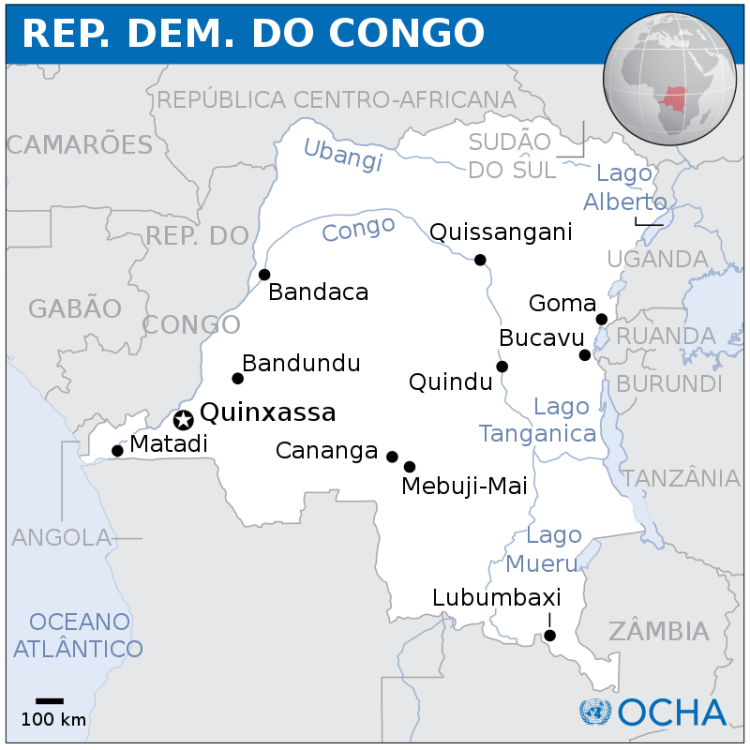
On February 22, the Italian Ambassador to the Democratic Republic of Congo – Luca Attanasio – his security guard (Carabinieri) – Vittorio Iacovacci – and his driver – Mustapha Milambo – a Congolese contracted locally, were brutally murdered about 20 km from Goma, in the East DRC. The site is within Virunga National Park, on the border between DRC, Rwanda and Uganda, and where several armed rebel groups operate.
The Ambassador’s car was travelling embedded in a convoy of vehicles from the United Nations’ World Food Program, with the aim of visiting and supporting the humanitarian aid activities that were being provided to needy populations in the region. During the attack, the terrorists also kidnapped four other people, one of whom, meanwhile, was found by Congolese security forces.
The Congolese authorities were quick to accuse the Rwandan Hutu rebels of the Democratic Liberation Forces of Rwanda (DLFR) of being behind the attack. However, Rwandan DLFR rebels deny responsibility. However, allegedly there´s a jihadist group, close to a terrorist faction that has been perpetrating massacres in northern Mozambique and Tanzania, that claimed the attack. These Jihadists claim that they carried out the attack with a small commando group of six men, using only with Kalashnikov rifles. According to sources, this group of jihadists is trying to capitalize on the success of the attack on the United Nations convoy and it’s calling for more attacks on diplomats in the region.
The UN has about 15,000 military personnel in the country, serving on the MONUSCO peacekeeping mission. After the attack, the area was patrolled by Moroccan blue helmets but, so far, the 3 missing people who have been kidnapped have not yet been found. MONUSCO is currently one of the largest and most dangerous operations in the UN.
We express our condolences to the families of the deceased, our sympathy to the international community in the DRC and Italy, and we wish the speedy recovery of those who are missing.
No dia 22 de fevereiro o Embaixador Italiano para a República Democrática do Congo – Luca Attanasio – o seu segurança (Carabinieri) – Vittorio Iacovacci – e o seu condutor – Mustapha Milambo – um congolense contratado localmente, foram brutalmente assassinados a cerca de 20kms de Goma, no Leste da RDC. O local está dentro do Parque Nacional da Virunga, na fronteira entre a RDCongo, o Ruanda e o Uganda, e onde operam vários grupos armados.
O Embaixador seguia numa coluna de veículos do Programa Alimentar Mundial, das Nações Unidas, com o objetivo de visitar e apoiar as atividades de ajuda humanitária que estava a ser providenciada a populações necessitadas da região. Os atacantes raptaram ainda quatro outras pessoas, tendo uma delas sido, entretanto, encontrada pelas forças de segurança congolenses.
As autoridades congolenses apresaram-se a acusar os rebeldes hutus ruandeses das Forças Democráticas de Libertação do Ruanda (FDLR) de estarem por detrás do ataque. Porém, os rebeldes ruandeses da FDLR negam a responsabilidade. Por outro lado, alegadamente um grupo jihadista, próximo do da fação que tem vindo a perpetrar massacres no norte de Moçambique e na Tanzânia, reclamou o ato, praticado por um pequeno comando de seis homens com Kalashnikov. Segundo fontes, esse grupo de jihadistas exorta o sucesso do ataque às Nações Unidas e apela para que se façam mais ataques a diplomatas na região.
A ONU tem cerca de 15.000 militares no país, servindo na missão de peacekeeping MONUSCO. Após o ataque a zona em questão foi imediatamente patrulhada por capacetes azuis de Marrocos, mas, até ao momento, ainda não foram encontradas as 3 pessoas que foram raptadas. A MONUSCO é atualmente uma das maiores e mais perigosas operações da UN.
Apresentamos as nossas condolências às famílias dos falecidos, à comunidade internacional na RDC e a Itália, e desejamos a rápida recuperação daqueles que estão desaparecidos.
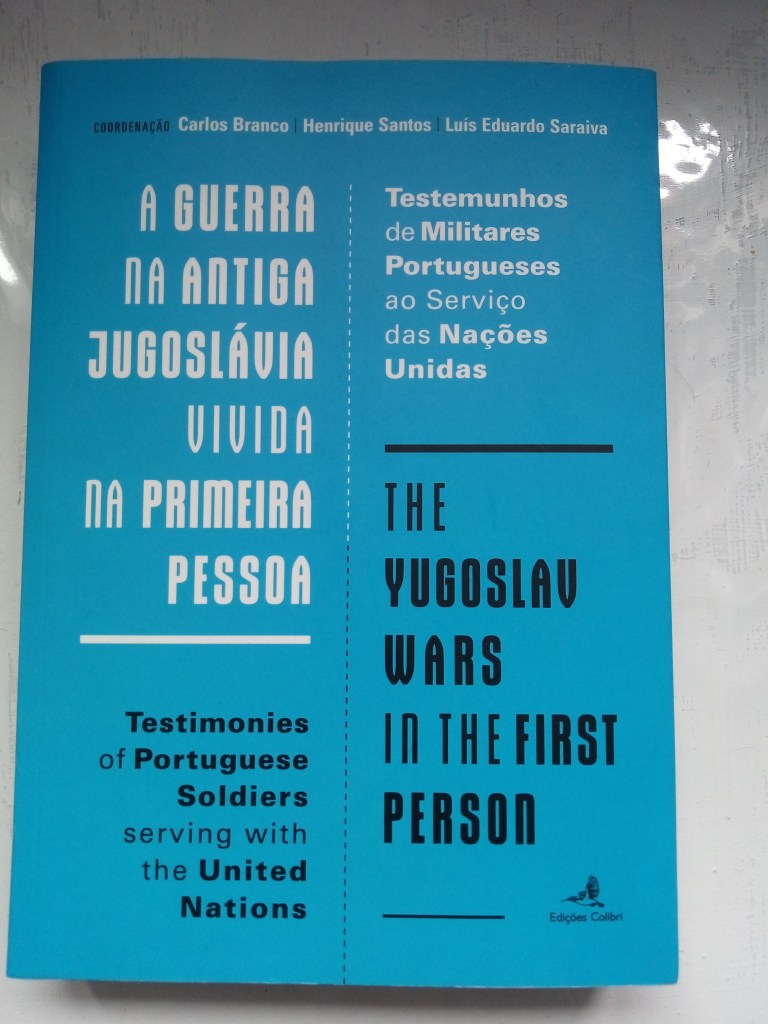
A Força de Proteção das Nações Unidas (FORPRONU) foi a primeira missão das Nações Unidas na antiga Jugoslávia durante o desmembramento do país. A força foi estabelecida em fevereiro de 1992 e o seu mandato terminou em dezembro de 1995. Foi composta por cerca de 40.000 militares (incluindo 680 Observadores Militares) e civis oriundos de 37 países, o que a tornou à data a maior operação de manutenção de paz da história das Nações Unidas.
Ironicamente, a “experiência jugoslava” foi uma janela para o mundo; um “Erasmus da vida” que tornou os que nela participaram pessoas cosmopolitas. Foi um abrir de olhos. Relacionaram-se tolerantemente com indivíduos de origens e culturas que não conheciam. Foi o confronto com um mundo novo, “para além da Taprobana”. Mais que uma escola da vida, a “experiência jugoslava” foi uma escola de camaradagem. Fez com que vivências moldadas pela adversidade se tornassem laços intensos de amizade, que perduraram até aos dias de hoje. Este livro serve para preservar a memória, um elixir contra o esquecimento, para que as gerações vindouras saibam um pouco melhor o que ali se passou; para vincar a satisfação da missão cumprida; para honrar o companheirismo, a amizade e o espírito de sacrifício. E não é pouco.
The United Nations Protection Force (UNPROFOR) was the first United Nations peacekeeping mission in the former Yugoslavia, during the breakup of the country. The force was established in February 1992 and its mandate ended in December 1995. It was composed by almost 40.000 military (including 680 military observers) and civilian personnel, from 37 countries, which made it at the time the largest peacekeeping operation in the history of the United Nations. This book aims at preserving memory. It is an elixir against oblivion. So that the generations to come will know a little better about what happened there; to underline the satisfaction of mission accomplished; to honour companionship, friendship and spirit of sacrifice. And it is no small matter.
There’s nothing wrong about loving the country. In fact, military personnel swear to give their life serving their country and, regrettably, that does occur quite often. However, is that Patriotism or Nationalism?
One may think it´s only semantic; but it is not! Although the separation line may be very slim, the two concepts are different.
The concept of Nations is normally related to homogenic groups of people with the same ethnicity. It is mainly focus on the people and it doesn’t require a territory to excel its values. Nationalistic feelings lean towards a protective isolation of that specific group of people and, with few exceptions, it tends to look at their own people as different – for the better – from everybody else.
Patriotism introduces the concept of the Territory into the equation. Therefore, anybody (legally) living inside that territory are considered “country fellows”. The concept of Country (population + territory) takes over and Patriotism focus on the love to the land and all cultures within it.
A Patriot loves his/her country and does his/her best for that country to thrive; but he/she does not mind for other countries to proper also.
A Nationalist also loves his/her country, but more focused on his/her own people; almost in an elitist way. A Nationalist has issues regarding different groups inside his/her country and, above all, they do not normally appreciate other countries to be as prosper, let alone more prosper, than their own.
Therefore, Nationalism is dangerous because it not only isolates the country regarding the rest of the World, but it also segregates people inside that one country; – look at what happened in the Former Yugoslavia and, in particular, in Bosnia Herzegovina.
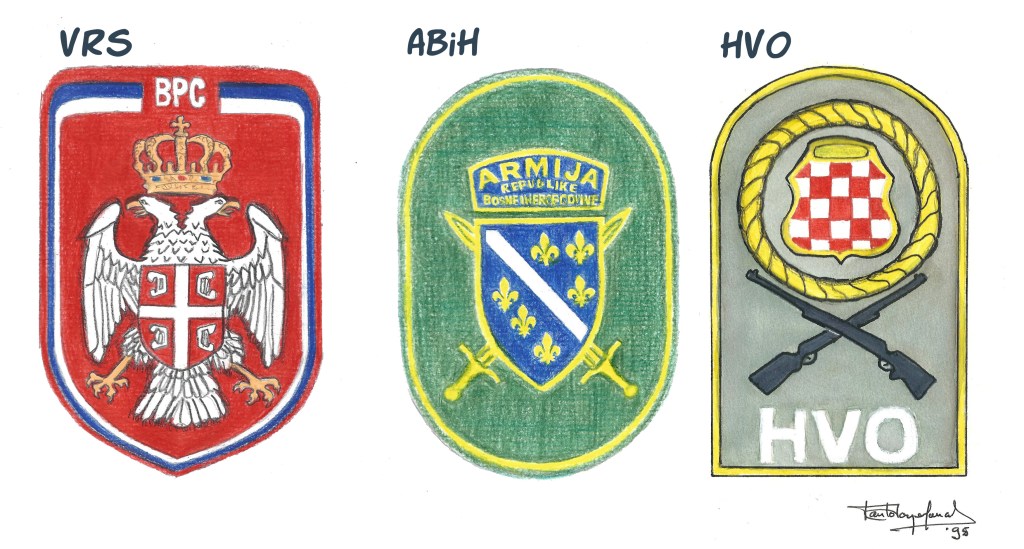
Bosnian Serbian (VRS), Bosnian Muslim (ABiH) and Bosnian Croat (HVO) symbols during the War
As a result of the Nationalist populist speech of the political leaders, almost a quarter of a million people died in the Former Yugoslavia´s wars. Now it seems that the same kind of ideology is showing-up in other contries and territories, provoking instability and non democtratic postures. Let´s stop this … please.
A Patriot connects himself/herself to the diversity of the cultural, linguistic, historical and territorial community identified as Homeland. A Nationalist, on the other hand, sees himself/herself as the bearer of an unfulfilled destiny, whatever it may be, independence, development, power or autonomy.
I love my country and all its people; I respect and enforce the fulfillment of the values expressed in its Constitution; and respect the international commitments it has; even with the risk of my own life (Portuguese military personnel oath to the Flag)..
Once, during one of my overseas missions, an old soldier, veteran of many wars, enlightened me by sharing his stories. Knowledge made of experience gathered in many theaters of operations. Expressing my gratitude for that information sharing, I said:
– “Thank you for sharing your experience, maybe one day one of your your stories will save my skin.”
To which he replied:
– “If my stories save you … go out and save someone else … tell them your own stories, that’s how it’s supposed to work!”
Therefore, I became a veterans’ story teller. The future doesn’t come with an instruction manual, but it does come with a list of past mishaps. The veterans call it experience; planers call it Lessons Learn; I simply call it the fulfilling of a promise I made to an old soldier; something I can only pay in small installments. I hope each of my stories can help the new generation, and I ask them to carry on the chain … because “that’s how it’s supposed to work”.
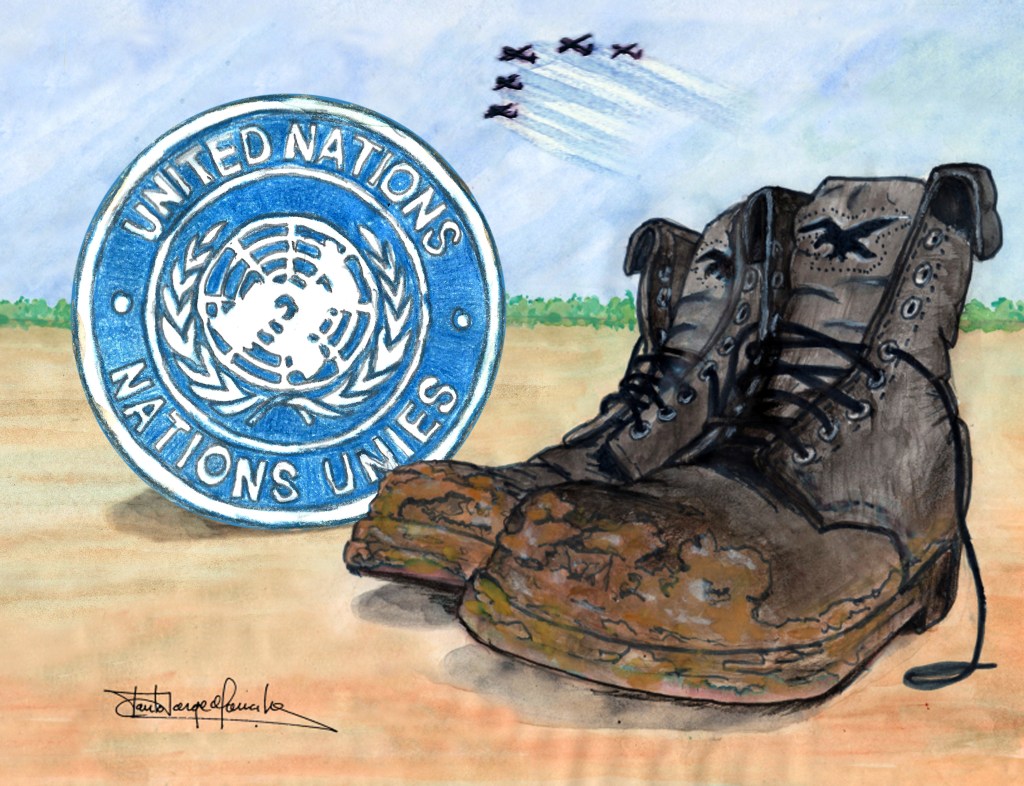
UN boots on the ground
I remember, many years ago, in an African airfield, a group of demobilized soldiers tried to board one UN aircraft. Irritated and in despair for not being able to board the aircraft, some fired their weapons and started a battle. There were bullets flying around the airfield.
I was surrounded by people screaming and crying in several languages. I continued to work, and moving from one side to another, because shots were a commonplace in that region of the world; hence I was not too worried about it.
Then, unexpectedly, I felt something hitting the floor very hard next to me, and only after did I hear the sound of a shot. That shot had been made in my direction, because bullets fly faster than sound. Soon after, I felt a breath of air on the right side of my face followed by a hiss. Again, only after I heard the sound of the shot. Those shots were definitely not stray bullets.
I blushed when I realized the extent of my stupidity, because I knew that “the point of maximum danger coincides with the point of minimum fear”. That day I learned a valuable lesson – Overconfidence can kill you in the battle field.
A few days ago, I participated in an online workshop about writing memories, organized by the City Hall of my home town – Seixal. At a certain step, I was challenged to write in a few minutes a short story under the theme “memory of a special laugh”. I confessed the surprise on the subject, but I managed to quickly rewind the memories until I stopped in a big and long laugh, aboard an airplane, on the aircraft ramp of Newark Airport in the United States.
It was the end of the 90s, when I had to travel from Lisbon to NATO Headquarters in the United States, which would require a transfer internal flight from Newark – New Jersey – to Norfolk – Virginia.
The TAP (Air Portugal) flight that would take me to Newark had a (very) late departure, compromising my internal connection to Norfolk. Irritated right at the start, I recalled the sarcastic interpretation of the acronym TAP – Take Another Plane.
Upon arriving in Newark, the inevitable was confirmed, my connecting flight had taken off a long time ago. The girl behind the Continental counter looked for a solution, and suggested a flight in the late afternoon. As I had someone waiting for me at Norfolk Airport, I pressed her for a faster solution. When she saw that I was frankly irritated by my lack of luck, and that I only had hand luggage to board, the girl discovered another flight, which was just about to depart, and assigned me a seat on that plane. I ran to the boarding gate as I realized that I was not the only passenger to answer the “last call” on that flight.
We boarded a minibus and were deposited at the doorstep of a twin propeller, with a maximum capacity of 19 passengers.
Upon boarding, I noticed that the first place on the right side was occupied by a blind man, who was accompanied by a guide dog lying at his feet.
The plane was filled with the last passengers to board. The door closed and the only flight attendant started demonstrating security procedures. At that point, the captain’s voice appeared on the loudspeakers announcing that the aircraft was too heavy, because it had been fueled for a longer flight. Thus, the pilot invited passengers to leave for the terminal in order to remove fuel, which is considered a long and dangerous maneuver.
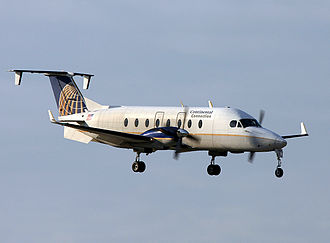
After some time, there we were invited back to the Continental twin-engine. However, after tightening the seat belts, the pilot returned to the sound system and informed the passengers that the delay had an impact on the flight planning, and that there was a line of strong turbulence (cumulonimbus) on our route, so we should wait a few minutes on the ground until the control tower would inform us that the weather had improved. The pilot left the two engines rotating in order to respond immediately to a tower authorization. However, time was passing by and there was no news of weather improvements. My delay regarding my point of contact at destination was so great that I stopped worrying about it, and started to laugh at everything that was happening around me. To the left of my place a young man was exalted with great loudness because he was going to miss a job interview in Norfolk, behind him a lady of color, with a considerable volume, was also vociferating something that my level of English could not understand. The environment inside little Beechcraft started to be caustically fun.
As the aircraft was very small, hence the cockpit crew was perfectly aware of what was going on just a few meters behind. It was at that time that the commanding pilot returned to the sound system, with a very embarrassed voice, said:
– “Ladies and gentlemen passengers, it seems that the enroute meteorology is improving significantly, and the tower released us suggesting a slightly different route. However, now we have not enough fuel for this flight, so we will have to add some fuel to be safe and on schedule. I ask you to wait inside the bus which is on its way to our place, in order to avoid the inconvenience of a trip back and forward to the terminal. I promise that we will be brief and will leave shortly thereafter.”
I was already taking all that in a sportive way, and I laughed at everything and everyone. By my reckoning, by that time we should be landing in Norfolk – Virginia – and we were still on the Newark apron – in New Jersey.
When everything seemed ready to go, the most hilarious part occurred: – the blind man’s dog started to whine. The owner called the airhostess and told her that the animal had to go out to do its “needs”. Imagine what it would be like having a blind man walking a dog, on an aviation apron where several planes had propeller engines running. The pilot in command instructed Go on, the reluctant flight attendant to go for a walk with the animal on the back of Beechcraft. When she got close to my window, the animal stopped and crouched down to defecate.
At that time, the airhostess was approached by a ramp operator gesturing in exasperation with an exaggerated choreography. The man complained (we learned later) that “that” could not stay there because when our plane would increase its engines power the waste would “take off” and crash into the aircraft support gear parked behind our spot.
Inside the plane, everyone was delirious with the scene, leaning over the windows on my side of the plane. When the girl returned to the aircraft, she handed the dog over to the owner and came back out with a lot of “airsickness bags”. Then she returned back in, with an expression so disgusted that it looked like she was going to use one of the remaining bags herself. The bags with the “precious content” were stored in the cockpit and the plane door closed again.
I had laughed so hard at what happened that my abdominal muscles hurt. But the special laugh only came when the pilot said we were number two to take off, right behind the aircraft that the Continental counter girl had originally suggested me; and I refused.
Há uns dias, participei num ateliê online de escrita e memória organizado pela Camara Municipal do Seixal. A dado passo, fui desafiado a escrever em escassos minutos uma curta história sob o tema “memória de uma gargalhada especial”. Confesso a surpresa no mote do desafio, mas consegui rebobinar rapidamente as recordações até parar numa grande e prolongada gargalhada, a bordo de um avião, na placa do Aeroporto de Newark nos Estados Unidos.
Estávamos no final dos anos 90, quando tive de me deslocar de Lisboa ao Quartel-General da NATO em Norfolk, nos Estados Unidos, com uma transferência de voos internos em Newark – New Jersey.
O voo da TAP que me levaria a Newark saiu deveras atrasado, comprometendo à partida a minha ligação interna para Norfolk. Irritado logo à descolagem, relembrei a interpretação sarcástica do acrónimo TAP – Take Another Plane.
Ao chegar a Newark confirmou-se o inevitável, o meu voo de ligação já tinha descolado há muito tempo. A moça que estava atrás do balcão da Continental procurou uma solução, e sugeriu-me um voo ao final da tarde. Como eu tinha alguém à minha espera no aeroporto de Norfolk pressionei-a para uma solução mais célere. Ao verificar que me encontrava francamente irritado com a pouca minha sorte, e que só tinha bagagem de mão para embarcar, a moça descobriu um outro voo, que estava quase a partir, a atribuiu-me um lugar nesse avião. Corri para a porta de embarque enquanto me ia apercebendo que não era o único passageiro a responder à “última chamada” daquele voo.
Embarcámos num minibus que nos depositou à porta de um bimotor a hélice, com uma capacidade máxima de 19 passageiros.
Ao embarcar, reparei que o primeiro lugar do lado direito era ocupado por um cego, que se fazia acompanhar por um cão guia deitado a seus pés.
O avião ficou cheio com os últimos passageiros a embarcar. A porta fechou-se e a única hospedeira de bordo começou a fazer a demonstração dos procedimentos de segurança. Nisto, a voz do comandante de bordo surgiu nos altifalantes anunciando que a aeronave tinha demasiado peso, porque havia sido abastecida com combustível para um voo mais longo. Desta forma, o piloto convidou os passageiros a sair para o terminal a fim de retirar combustível, o que é considerado uma manobra demorada e perigosa.
Passado algum tempo, lá fomos convidados a reembarcar no bimotor da Continental. Porém, após apertarmos os cintos, o piloto regressou ao sistema de som e informou os passageiros, que a demora tinha tido um impacto no planeamento do voo, e que agora havia uma linha de muita turbulência (cumulonimbus) no nosso trajeto, pelo que deveríamos aguardar no chão alguns minutos até a torre de controlo informar que a meteorologia teria melhorado. O piloto deixou os motores a turbinar a fim de responder de imediato a uma autorização da torre. Porém, o tempo ia passando e não havia novidades de melhorias meteorológicas. O atraso em relação a quem me aguardava no destino era tão grande que deixei de me preocupar, e comecei a rir-me de tudo o que se estava a passar em minha volta. À esquerda do meu lugar um jovem exaltava-se com grande sonoridade porque iria perder uma entrevista de trabalho em Norfolk, mais atrás uma senhora de cor, com um volume considerável, também vociferava qualquer coisa que o meu nível de Inglês não conseguia entender. O ambiente dentro do pequeno Beechcraft começou a ficar causticamente divertido.
Como a aeronave era muito pequena, a tripulação do cockpit estava perfeitamente consciente daquilo que se passava uns escassos metros mais a trás. Foi nessa altura que o piloto comandante regressou ao sistema de som, com uma voz deveras comprometida, e disse.
– “Senhoras e senhores passageiros, parece que a meteorologia em rota está a melhorar francamente, e a torre sugeriu um trajeto um pouco diferente. Porém, agora temos combustível a menos para este voo, pelo que vamos ter de meter um pouco de carburante para estarmos seguros e dentro dos procedimentos. Solicito que aguardem dentro no autocarro que está a caminho do nosso local, para evitar os transtornos de uma viagem para o terminal. Prometo que seremos breves e partiremos logo de seguida.”
Eu já estava a levar a coisa na desportiva, e ria-me de tudo e de todos. Pelas minhas contas, por essa altura já estaríamos quase a aterrar em Norfolk – na Virgínia – e ainda estávamos na placa de Newark – em New Jersey.
Quando tudo parecia pronto para seguirmos, ocorreu a parte mais hilariante: – o cão do cego começou a ganir. O dono chamou a hospedeira e disse-lhe que o animal tinha de sair para fazer “necessidades”. Imagine-se o que seria um cego a passear um cão, numa placa de aviação onde vários aviões tinham os motores a hélice a turbinar. Vai daí, o comandante de bordo deu instruções à relutante hospedeira para ir fazer um passeio com o animal, na parte de trás do Beechcraft. Ao chegar próximo da minha janela, o animal parou e agachou-se para defecar.
Nessa altura, a hospedeira foi abordada por um operador de placa, que gesticulava exasperado com uma coreografia exagerada. O homem queixava-se (soubemos mais tarde) que “aquilo” não podia ficar ali porque quando o nosso avião metesse motores os dejetos iriam “descolar” e esborrachar-se no aparelho parqueado no spot detrás.
Dentro do avião, toda a gente delirava com a cena, debruçados sobre as janelas do meu lado do avião. Quando a moça regressou ao aparelho entregou o cãozinho ao dono e voltou a sair com um monte de “sacos de enjoo”. Depois regressou com uma expressão tão enojada que parecia que ela própria iria usar um dos sacos sobrantes. Os sacos com o “precioso conteúdo” foram armazenados no cockpit e a porta do avião voltou a fechar-se.
Eu tinha rido tanto com o ocorrido que me doíam os músculos abdominais. Mas a gargalhada especial só veio quando o piloto disse que estávamos em número dois para descolar, logo atrás da aeronave que a moça do balcão da Continental me tinha inicialmente sugerido; e que eu recusei.
Eagerly, musician. Sweep your string, So we may sing. Elated, optative, Our several voices Interblending, Playfully contending, Not interfering But co-inhering, For all within The cincture of the sound, Is holy ground Where all are brothers, None faceless Others,
Let mortals beware Of words, for With words we lie, Can say peace When we mean war, Foul thought speak- fair And promise falsely, But song is true: Let music for peace Be the paradigm, For peace means to change At the right time, as the World-Clock Goes Tick- and Tock.
So may the story Of our human city Presently move Like music, when Begotten notes New notes beget Making the flowing Of time a growing Till what it could be,
At last it is, Where even sadness Is a form of gladness, Where fate is freedom, Grace and Surprise.
UN Peacekeepers Day | Tribute
Beyoncé – I Was Here (United Nations World Humanitarian Day Performance Video)
United Nations Song
Shakira – Imagine (Live at the UN’s General Assembly 2015)
United Nations Peacekeeping Mission Song – For The Peacekeepers | Annefleur Bruin | TEDxAlcoi
United Nations Song – New World Order Behind Closed Doors
United | Playing For Change | Song Around the World
The Portuguese legislative structure has a new entity “The military Veteran statute”. A long waited National recognition to all those that have engaged in overseas military operations in the service of Portugal. This Statute will embrace all those military that have fought in the years sixties/seventies (of the 20th Century) in Angola, Guiné Bissau, Mozambique, East Timor, and the India possessions of Goa, Damão, Diu and Dadra e Nagar-Aveli; as well as all those that, since then, have, are or will be participating in overseas peacekeeping operations.
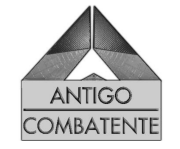
The benefits of this (new) statute – which is extended to the veterans’ widows – will be physically envisioned through an identification card (issued by the Portuguese Ministry of Defense) and a (official) pin, also issued by the Portuguese MOD.
Portuguese Former Combatant official pin.
According to the Portuguese Law 46/2020, the Veteran statute will be a guarantor of:
The establishment of the Portuguese Former Combatant’s Day (9 April);
Veterans’ free access to public transportation within urban areas;
Free access to Museums;
Free access to PTSD psychological/medical support;
Exemption of payment of tax/fees in medical treatments in public Hospitals;
Preference in the attribution of social accommodation in case of homeless veterans;
Military honors in the funeral of the veteran, which will be entitle to use of the National Flag;
Special dedicated area for veterans in the burial area of the cemeteries;
State support for the repatriation of the veterans’ remaining (corpses) from the former overseas territories;
Monetary subsidy in case of absence, or extremely low, revenue.
 OPen samento