Há uma coisa na aviação, que distingue os peritos dos “amadores”. Um perito tem de ter o conhecimento dos livros (curso), e, posteriormente, a qualificação na execução prática desses conhecimentos, devidamente certificada por uma autoridade na matéria. Os amadores (ou treinadores de bancada) podem até ser conhecedores das matérias no campo teórico/académico (até mesmo o curso), mas nunca “lá estiveram”, ou alguma vez fizeram algo de concreto na execução dessas matérias. É a “qualificação” que faz a diferença, e esta ganha-se e perde-se no terreno, quando não se pratica regularmente o assunto em questão, porque o ritmo de mudança (em todas as áreas) é tal que, o modo como se fazia algo há uns meses poderá não estar correto na atualidade.
ESTOU FARTO DE VER TREINADORES DE BANCADA a comentar tudo e mais um par de botas!
Bósnia, Iraque, Afeganistão, Gaza, etc. são uma sequencia de de julgamentos errados de lideres políticos que colocam os seus ideais (ou interesses) políticos à frente das vidas que deveriam proteger.
Todos sabemos como começar uma guerra, mas ninguém sabe como a mesma irá acabar. As Leis da Guerra e os Direitos Humanos são um mantra que se deixa de ouvir quando os canhões começam a disparar.
(artigo publicado na revista Combatente de setembro 2023 – Liga dos Combatentes)
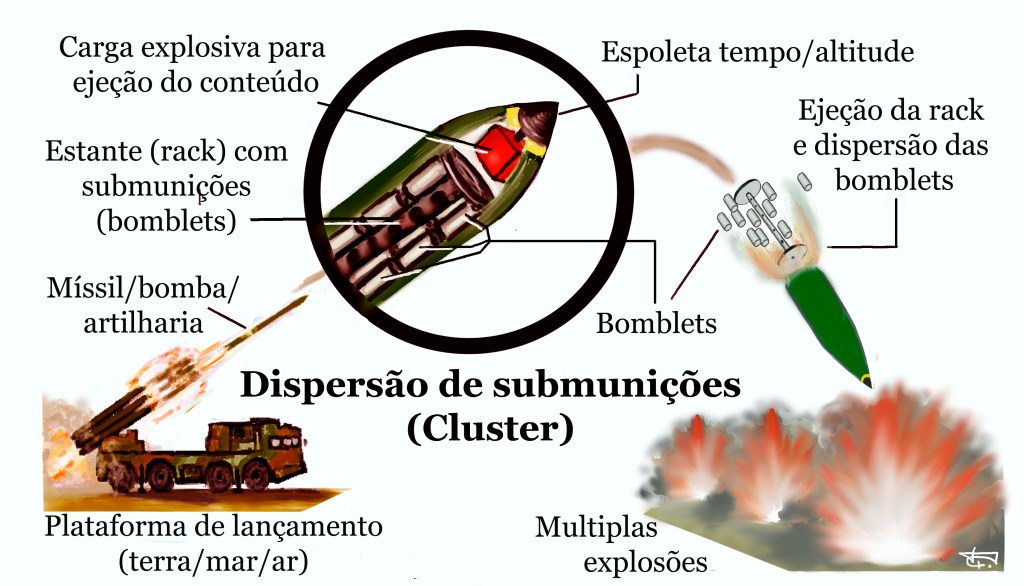
A meados deste ano de 2023, a propósito da guerra na Ucrânia, a comunicação social portuguesa começou a falar muito de “bombas de fragmentação”. Qualquer pessoa com o mínimo de experiência militar é levada a pensar em granadas de mão, ou de artilharia, desenhadas para espalhar uma grande quantidade de estilhados em redor do ponto de impacto. Porém, não era isso que os jornalistas tentavam reportar. O que a comunicação social queria referir eram as bombas e misseis “cluster”. A tradução da palavra “cluster” para português é “grupo”, ou “conjunto”, e o arsenal em questão são as armas de dispersão contendo no interior submunições. Essas armas, que podem ser lançadas por sistemas terrestres, navais ou aéreos, atuam elas próprias como plataformas aéreas que, antes de impactarem no solo, se abrem e largam dezenas (ou centenas) de submunições, designadas de “bomblets”. São essas submunições, ou bomblets, que explodem individualmente quando chegam ao solo, cobrindo uma extensa área do campo de batalha.
Em Portugal, os jornalistas começaram a chamar bombas de fragmentação a estas armas devido a uma tradução duvidosa do motor de busca Google na internet.
A utilização deste tipo de armas é proibida num grande número de países, de forma voluntária, através de um acordo internacional (convenção de 2008). No entanto, nem todos os países assinaram esse acordo, e alguns dos que assinaram nem sequer ratificaram a convenção nos respetivos parlamentos, pelo que algumas dessas assinaturas carecem de validade. De facto, somente 123 dos 193 países da ONU assinaram a convenção. Ou seja, mais de um terço dos países da ONU não assinaram a convenção contra as armas cluster. Assim, falar de bombas de dispersão de submunições como armas proibidas é uma falácia, especialmente quando a China, os Estados Unidos e a Rússia (três dos cinco membros permanentes do Conselho de Segurança da ONU), não assinaram a convenção.
Fig. 1 – Explicação de uma míssil/bomba com submunições.
Nos conflitos surgidos com a cessação da ex-Jugoslávia estas armas foram muito usadas por todas as partes opositoras.
Recordo a madrugada do dia 1 de maio de 1995, quando fazia uma patrulha auto das Nações Unidas pelo Norte da Croácia tendo como companhia um camarada neozelandês. Subitamente, próximo da região sérvia conhecida por Sector Oeste, começaram a cair granadas de artilharia em nosso redor e fomos abruptamente surpreendidos pelo início do ataque das forças croatas à Krajina Sérvia deOkucani. Tinha começado a Operação Flash, que viria a destronar a superioridade militar sérvia nas Krajinas da Croácia, com reflexos na Bósnia Herzegovina. Depois de ultrapassarmos vários perigos resultantes do fogo cruzado, lá conseguimos regressar a Zagreb e ao Quartel-General da UnitedNations Protection Force (UNPROFOR).
Pelas 11 horas, enquanto procurávamos algumas respostas no meio de uma monumental confusão, começaram a tocar a sirenes de ataque aéreo por toda a cidade de Zagreb. Parecia uma cena da Segunda Guerra Mundial. Havia uma sirene em cada bairro da Cidade e, quando soava o alarme, todas juntas faziam um coro arrepiante. Estávamos acostumados a ouvir esses sons nos filmes de Hollywood, mas sentir ao vivo o ininterrupto ondular das sirenes, numa urbe de dimensões consideráveis, em pleno coração da Europa, era outra coisa! Nos filmes, as sirenes tocam alguns segundos e a imagem passa à cena seguinte; na vida real, “elas” não se calam e os seus uivos incutem pânico. Mesmo as pessoas mais experientes começaram a reagir e atuar de uma forma precipitada. A ordem para usar os capacetes e coletes “na zona de combates” foi imediatamente corrigida para “uso permanente”, dentro e fora de edifícios.
Nessa altura recebi a tarefa de ir com o meu camarada neozelandês fazer a investigação do que se passava na cidade.
– “Rapazes – disse-nos o chefe de operações dos Observadores Militares da ONU – parece que alguma coisa aterrou lá para os lados do Aeroporto, e não foi um avião. Levem um intérprete que esteja disponível e regressem com um reporte detalhado … hoje!” – Instruiu secamente o coronel mal-humorado.
Na sala da situação operacional estava um intérprete a atender telefones, de quem se dizia ter muitos contactos junto das autoridades croatas. Dragan estava entediado e queria desesperadamente sair daquele ambiente fechado. Perguntei-lhe se ele arranjaria um substituto que o libertasse, para vir connosco ao Aeroporto à procura de zonas de impacto de mísseis. Ele ficou radiante com a proposta e respondeu:
– “Claro que sim! Não conhece a Lei de Lavoisier para os Balcãs? – Nada se ganha, nada se perde, tudo se negoceia. Dê-me cinco minutinhos para arranjar um substituto.
Decidimos ir consultar a Esquadra de Polícia responsável pela zona do Aeroporto. Fomos recebidos pelo chefe da esquadra, que demonstrou saber do ocorrido.
– “Caíram sete rockets Orkan M-87 em Zagreb. Todos disparados pelos sérvios da Krajina. Alguns impactaram no centro da Cidade e outros nos campos rurais próximos do Aeroporto”. – Explicou-nos o comissário. – “Como devem de saber, estes mísseis têm submunições que espalham pequenas bombas nos terrenos periféricos do alvo. Em resultado, temos a área vedada ao público nos terrenos agrícolas que circundam o Aeroporto, porque está infestada com submunições – bomblets – por explodir”.
Em seguida atribuiu-nos um agente da polícia com instruções para nos escoltar até ao local dos impactos na zona do Aeroporto. Quando chegámos ao local parqueámos o carro e seguimos a nossa escolta a pé.
A zona rural de Pleso, vizinha às pistas do Aeroporto de Zagreb, tinha um conjunto de moradias isoladas adjacentes aos campos agrícolas. Num raio de 100 metros do local que teria sido o ponto de um dos impactos todos os telhados estavam danificados, expondo buracos nas telhas com cerca de um metro de diâmetro. Os vidros das casas estavam partidos e nos arruamentos havia pequenas crateras com diâmetros diferentes conforme a composição do pavimento. No caso das estradas campestres de terra batida atingiam cerca de 30 cm de diâmetro e 10 cm de profundidade. No piso de alcatrão da estrada principal tinham a metade da dimensão. Os mísseis Orkan eram disparados de lançadores múltiplos de foguetes, e cada um podia conter lá dentro mais de 200 bomblets. Pelo aspeto das pequenas crateras, os explosivos não deveriam de ser demasiado potentes, mas eram absolutamente letais para pessoas desprotegidas.
A zona estava fechada ao público, e mesmo os residentes estavam a ser evacuados até as suas propriedades terem sido visitadas e limpas pelos peritos em “minas e explosivos”.
Por todo o lado havia pequenos objetos no chão, já marcados pela polícia, que se assemelhavam – em tamanho, formato e cor – aos antigos contentores cilíndricos dos rolos de filme fotográfico. Tinham a particularidade de exibirem uma fita de tecido a sair de uma das bases do cilindro. Eram bomblets que não tinham explodido ao primeiro contacto com o solo, e passavam a ser designadas de UXO (Unexploded Ordnance – munição viva por explodir). Acima de tudo, tínhamos de ter muito cuidado com as fitas, porque eram o mecanismo de ativação do explosivo. Quando as bomblets saiam dos misseis as fitas começavam a desenrolar-se com o atrito do ar e, quando estavam completamente desenroladas, armavam o mecanismo de explosão. Era notório que a muitas das bomblets que nos rodeavam bastava um pequeno toque, ou uma briza de vento nas que estavam penduradas em árvores, para rebentarem.
Entrámos nos terrenos hortícolas vizinhos a uma das habitações, onde estava uma cratera do impacto do corpo do míssil principal. Teria aproximadamente um metro e meio de profundidade e um metro de largura. No fundo da cratera estava à vista o pedaço de um míssil. Viam-se as alhetas da cauda, o que sugeria que o resto da fuselagem estaria enterrada na terra fofa previamente lavrada. Do lado de fora da cratera havia muitos fragmentos metálicos feitos de uma liga muito leve, e mais bomblets por explodir. O espalhamento do material denunciava o sentido de aproximação ao ponto de impacto.
A cerca de 100 metros daquele local, o cenário repetia-se com outro impacto de um segundo Orkan, e mais além um terceiro. Toda a região estava ponteada de vestígios de pequenas explosões, ou pontos negros de bomblets por explodir. O meu companheiro neozelandês brincou dizendo:
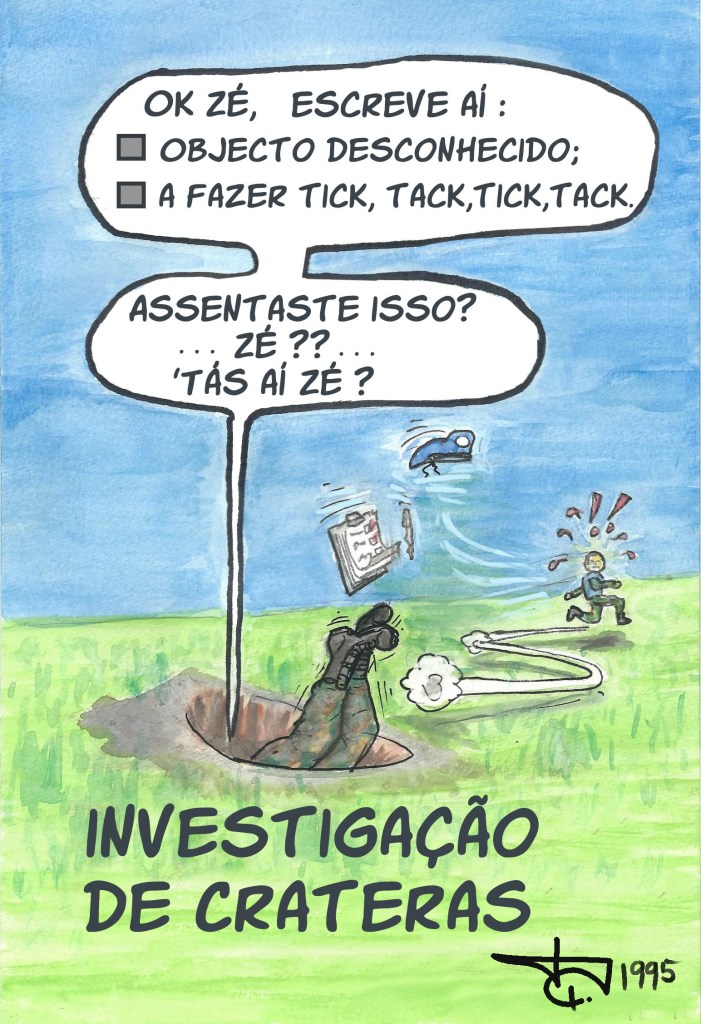
– “Bom, …, pelo menos não temos de andar a espreitar para dentro das crateras para saber o que isto é, conforme mandam os manuais da análise de crateras.”
Fig. 2 – Cartoon sobre a análise e avaliação de crateras de impactos de artilharia
Mas o próprio corpo do míssil, embora enterrado, era perigoso porque ainda podia conter lá dentro algumas bomblets por explodir.
Atuei segundo o lema dos analistas militares: – “Não assumas nada, não acredites em ninguém e reverifica tudo”. Contudo, não havia dúvidas de que se tratavam de misseis Orkan, até porque numa das alhetas estava a inscrição “M-87; TC MC; NS 9002”. Estranhei as inscrições das letras “N” e “S”, uma vez que não fazem parte do alfabeto cirílico dos Sérvios. Registei esse detalhe, mas não havia dúvidas do rumo de aproximação, denunciado pelo rasgar da terra antes de penetrar o solo, que vinham da direção do Setor Sérvio, o qual ficava a cerca de 40 quilómetros, exatamente a distância que aquele sistema de armas normalmente cobria.
No segundo Orkan havia um ferido civil; um velho agricultor que estava a tratar da sua horta quando o Orkan caiu. Ainda ajudámos na sua evacuação, porém o idoso estava mais destroçado pelos prejuízos materiais na sua propriedade do que pelos ferimentos recebidos. Uma bomblet atingiu em cheio a versão Jugoslava do seu Fiat 600 – um Zastava – destruindo-o por completo. Todos os vidros da habitação estavam partidos e metade do telhado estava desventrado. Parte da fuselagem do míssil tinha cortado umas árvores de fruto do seu quintal e havia bomblets penduradas pelas tiras de tecido nos ramos das restantes árvores. Tudo em redor tinha pequenos objetos negros com a marcação de UXO. Até no algeroz do telhado havia uma bomblet pendurada, balançando perigosamente ao vento pela fita extratora. Infelizmente, as poucas arvores e produtos hortícolas que sobraram teriam de ser destruídos, para se livrarem dos UXOs que lá estavam pendurados.
Tirámos medidas, fizemos o esboço de um desenho explicativo e tentámos responder aos tradicionais 5W (what, who, where, how, when): “o quê, quem, onde, como, quando”. O sexto “W” – o Why? (porquê?) – parecia ser obvio: retaliação do ataque ao Setor Oeste. Depois regressámos ao QG para reportar o que tínhamos visto. Agora era a altura das equipas de minas e armadilhas (Explosive Ordnance Disposal – EOD) irem lá “limpar” o terreno dos explosivos.
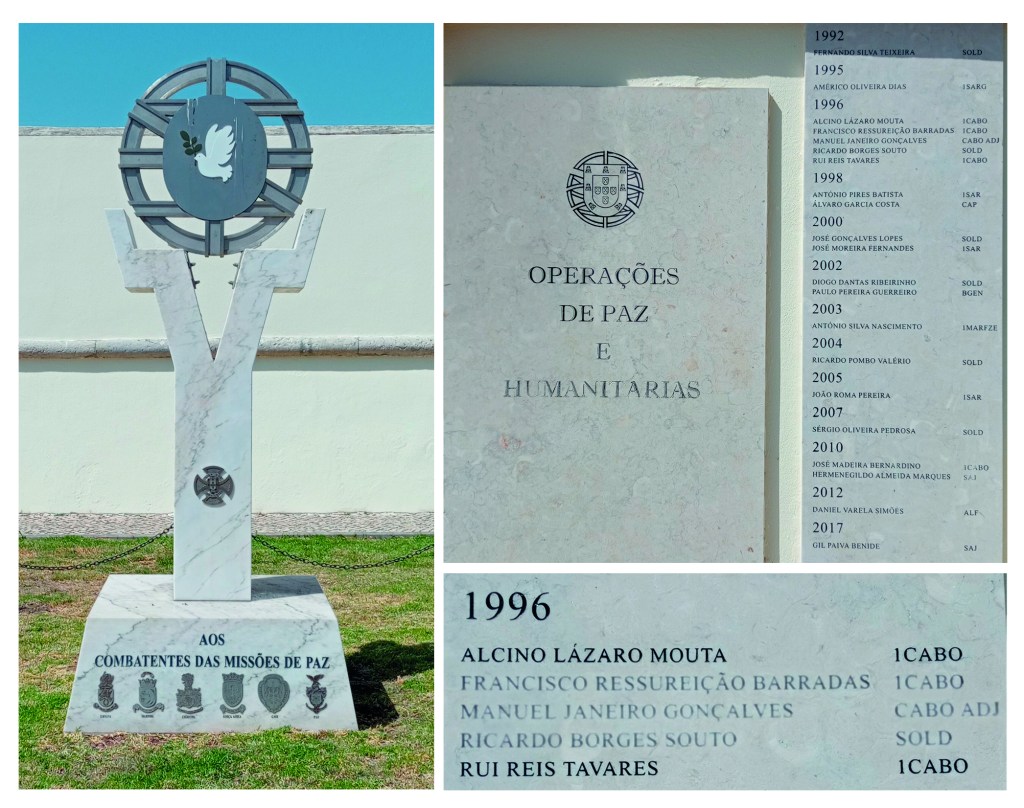
Cerca de oito meses mais tarde, quando o primeiro contingente português entrou na Bósnia Herzegovina ao serviço da OTAN, na missão Implementation Force – IFOR – viríamos a perder dois camaradas paraquedistas, e um terceiro ficou gravemente ferido, exatamente com a explosão de uma dessas bomblet, abandonada por explodir em Sarajevo. Os nomes desses dois camaradas (Primeiros Cabos Paraquedistas Alcino Mouta e Rui Tavares) estão gravados na muralha do Forte do Bom-Sucesso, em Lisboa, e num monumento numa praça pública da cidade de Doboj – na Repúbika Srpska (Républica Sérvia da Bósnia e Herzegovina) – para não nos esqueçamos deles.
Fig. 3 – Murada do Forte do Bom-Sucesso
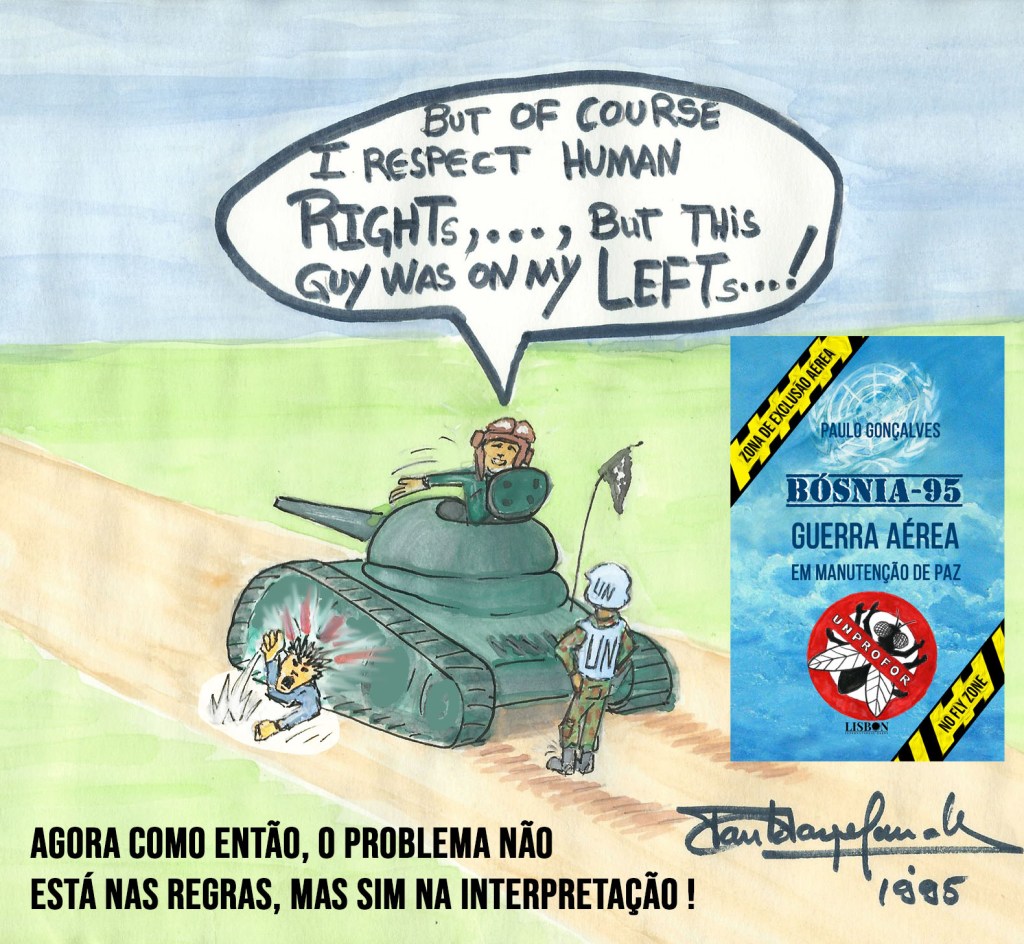
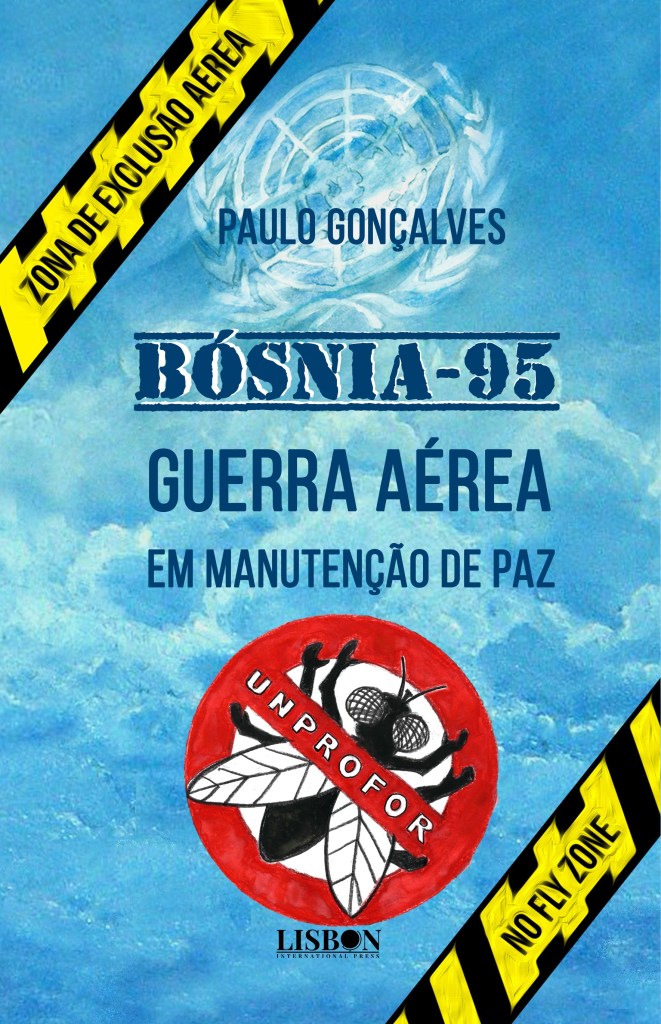
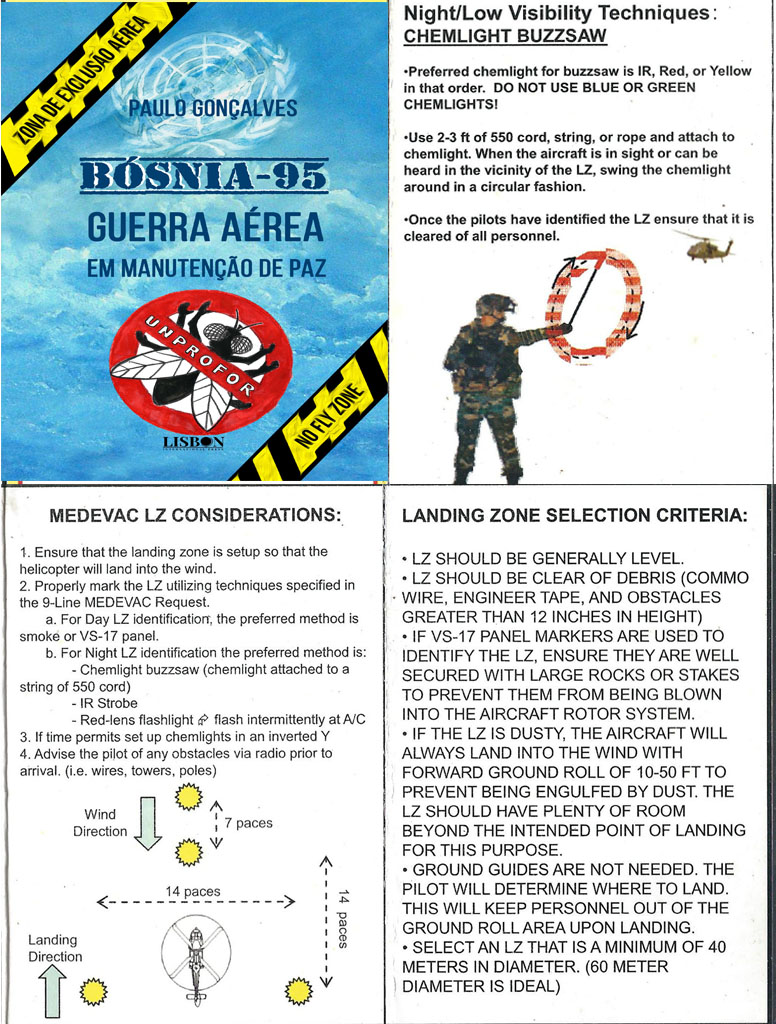
Os detalhes da presença portuguesa durante o último ano de guerra na Bósnia Herzegovina e da guerra de independência da Croácia, poderá ser encontrado no livro: “Bósnia 95 – Guerra aérea em manutenção de paz”, publicado pela editora Lisbon Press, em:
Com todos os conflitos que decorrem neste momento, já alguém se preocupou em contabilizar e publicar, de forma regular, a quantidade de efeitos prejudiciais que as armas têm no meio ambiente? Já alguém se preocupou em considerar que a destruição do ambiente provocada pelas guerras também deveria ser considerado um crime de guerra (a prazo) atribuível a quem iniciou as hostilidades?
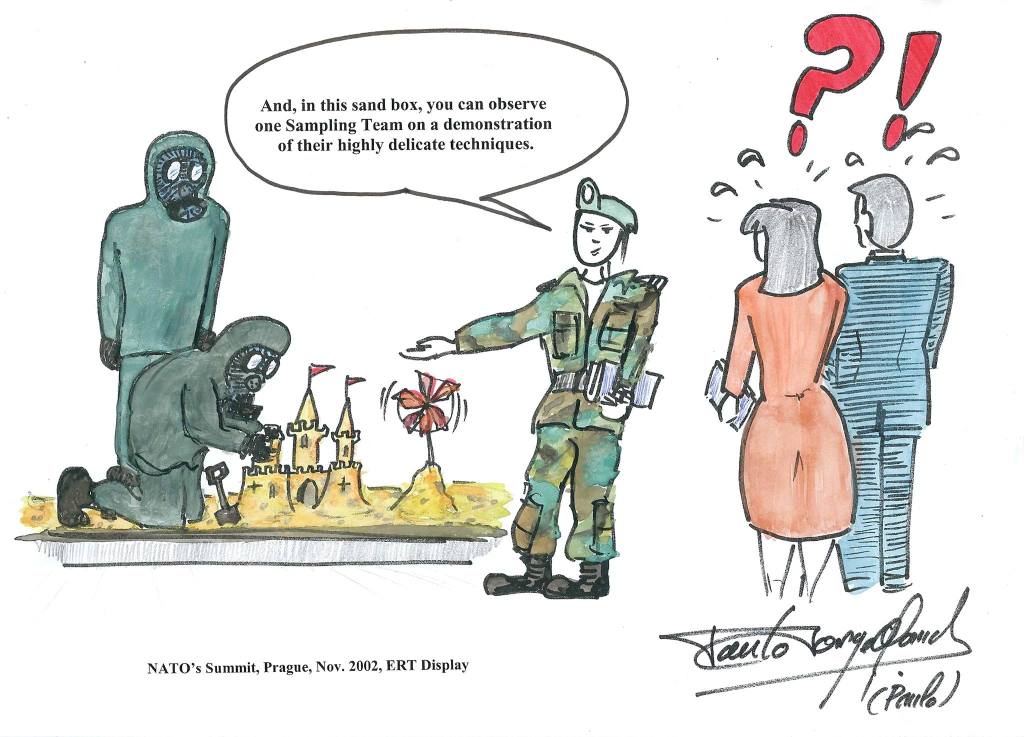
Qualquer dia para se brincar na areia temos de usar técnicas, táticas e procedimentos de guerra química.
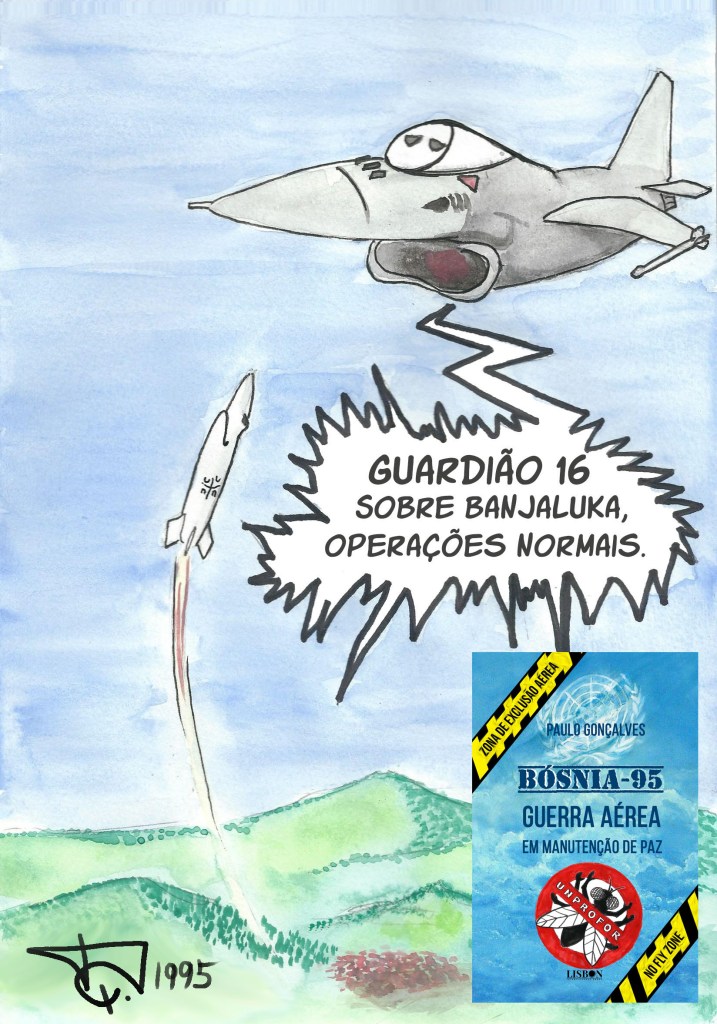
A Associação da Força Aérea (AFAP) publicou no seu Boletim nr. 85 a história corrigida do filme “Atrás das linhas do inimigo”, com o sub título “a História verdadeira que Hollywood não contou”. Recorda-se o abate de um F-16 USAF por forças sérvias, em 1995, iniciando toda uma série de eventos que levaram ao massacre de Srebrenica.
Durante a missão das Nações Unidas na guerra da ex Jugoslávia (UNPROFOR), competia aos Observadores Militares da ONU verificarem a correta execução das evacuações aéreas (médicas) das fações beligerantes, que fossem superiormente autorizadas a voar dentro da No Fly Zone. Testemunhava-se o lado da guerra que não vem nos manuais, nem nos filmes; o sofrimento dos civis (homens, mulheres e crianças) feridos pelas ações de combate e pela “limpeza étnica”, e da brutalidade de milícias armadas com espírito tresloucado.
Procure online o livro: Bósnia 85 – Guerra aérea em manutenção de paz
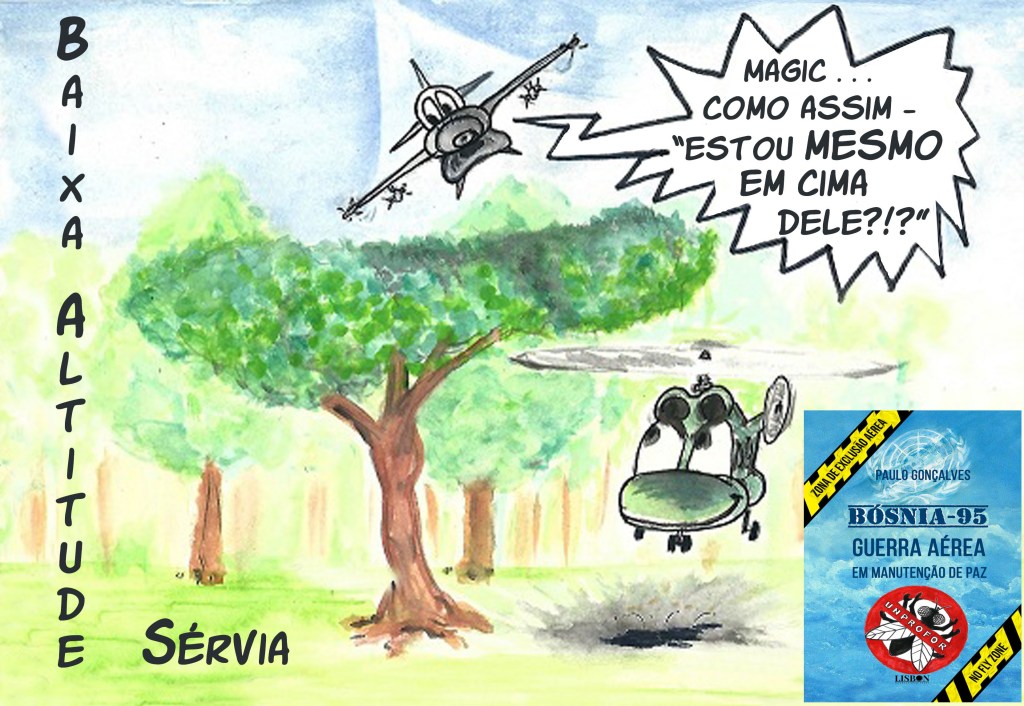
Vemos regularmente nas TV imagens da guerra na Ucrânia, com helicópteros a voarem muito baixo sobre estradas. À primeira vista poder-se-á pensar que é exibicionismo dos pilotos, mostrando as suas habilidades para as câmaras instaladas a bordo. Porém, aquilo que os pilotos estão a fazer é pura camuflagem eletrónica. Estão a voar muito baixo, a velocidades reduzidas (para uma aeronave) e a percorrer o trajeto das rodovias, mascarando-se como uma viatura terrestre e, dessa forma, confundindo os radares a bordo de aeronaves inimigas de aviso antecipado, de modo a serem interpretados como carros a viajarem nessas mesmas estradas.
Na guerra da Bósnia, os pilotos de helicóptero sérvios eram exímios em fazer esse tipo de voo. Os radares NATO a bordo dos aviões AWACS (os Magic) apresentavam ao operador tudo o que tinha retorno, fosse uma elevação no terreno, um carro, um comboio ou um avião. De modo a que os operadores pudessem tomar decisões, eram introduzidos filtros de velocidade, mostrando somente aquilo que interessava. Esses filtros podem eliminar alvos fixos, ou alvos com velocidades reduzidas, para “limpar” o monitor radar de tudo o que não seja uma aeronave. É aí que os helicópteros de ataque se mascaram como carros, voando baixo, sobre as estradas (na esperança que o perfil das mesmas esteja introduzido no vídeo map dos radares) e a velocidades próximas de um carro.
Detalhes dessa história e muitas outras situações idênticas à guerra na Ucrânia, são reportadas no livro “Bósnia 95 – Guerra aérea em manutenção de Paz”.
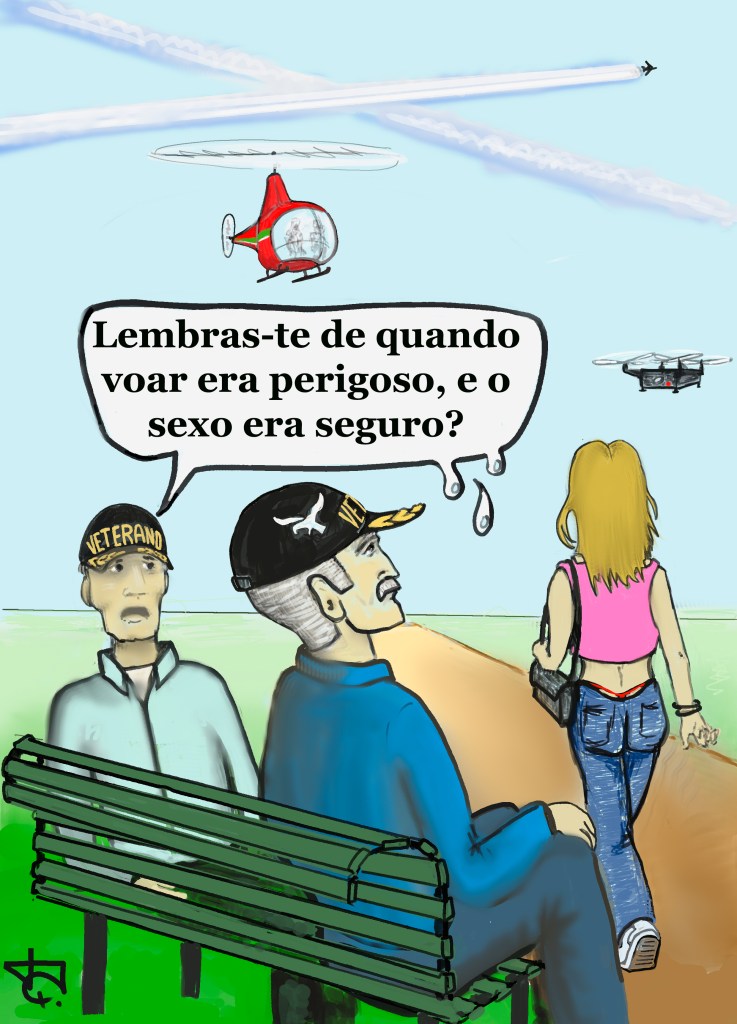
Podemos ficar mais veteranos e assistir às grandes mudanças no mundo que nos rodeia, mas, como dizia Clint Eastwood, “não podemos deixar o velho entrar!”


 OPen samento