12SEPT2020 will be an important day for Afghanistan, and the word peace in general.
In Doha – Qatar – High representatives of Government of the Islamic Republic of Afghanistan (GIRoA) will meet with the Taliban leadership (Islamic Eimarat of Afghanistan) to reengage in negotiations with the goal to stop once for all the Afghan internal conflict.
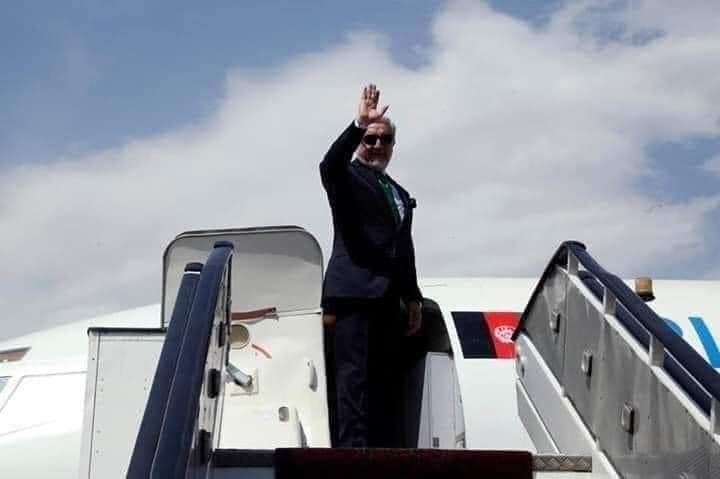
Dr. Abdullah, leader of the Afghan (GIRoA) Suprem Peace Council, departing to Doha for the Peace talks.
The Afghans deserve it because they haven’t seen peace for the last 40 years. The rest of the World deserves it because we have been investing treasure and blood in that territory, with no light envisioned at the end of the tunnel.
The Afghans need help survive, the Country needs help to develop, it needs needs the World to invest on it, and not to spend money with it.
Back in Sarajevo in October 1995, the expectancy on the good results of the American diplomacy was very high. Richard Holbrooke had managed to construct a Cease-Fire Agreement with the three factions, and he was pushing for the final Peace Agreement. The population wanted Peace and the Americans were getting it for them. On the streets of Sarajevo, everybody was enthusiastically expressing appreciation for the American support.
Previous to the Agreement, it was fashion to have a social behavior and attitude copied from the American films; but after the achievement of the Cease Fire Agreement, the degree of “Americanism” went sky-high.
There were people literally saying that their future was going to be brilliant, because the Americans were coming to assure it for them!
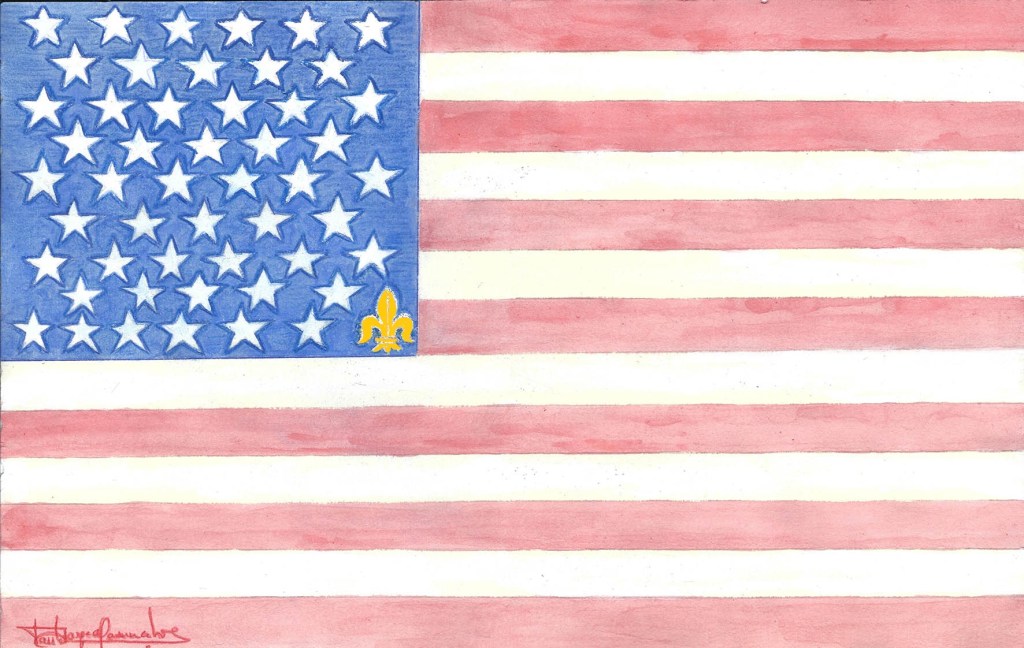
At a certain point, some vendors were selling a version of the American Flag with a golden Liz Flower – the Bosnian symbol – together with the 50 white stars of the “Union”, as if Bosnia would be the 51st State of the USA.
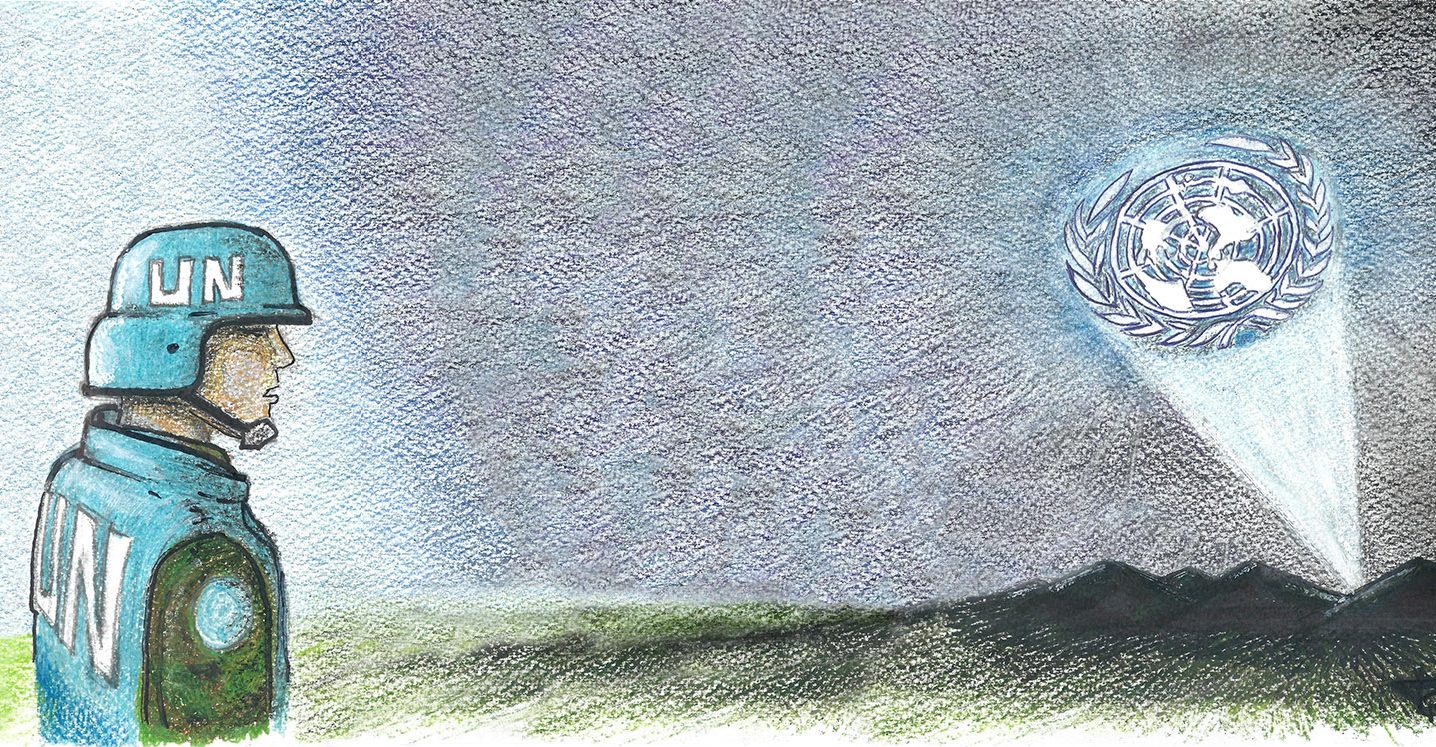
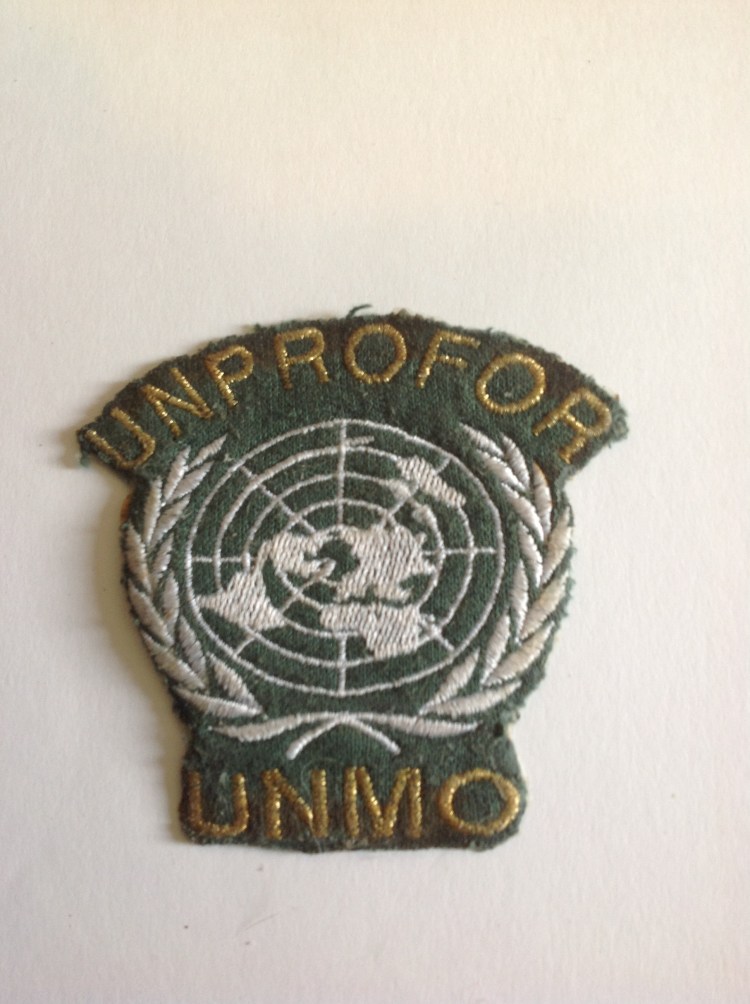
The UN – UNPROFOR – had its days counted. For three and a half years the blue helmets had struggled to keep a peace that was not existent. They had had losses of peacekeepers, over 200 KIA (killed in action) and many hundreds of WIA (Wounded in Action). But the multinational political engagement was still suffering from Cold War contradictions, and no hard decisions were being made. Until the American Diplomacy came unilaterally into the game and decided to put a stop to it.
Therefore, one shouldn’t be surprised to see Bosnian Americanism, in the streets of Sarajevo, back in 1995.
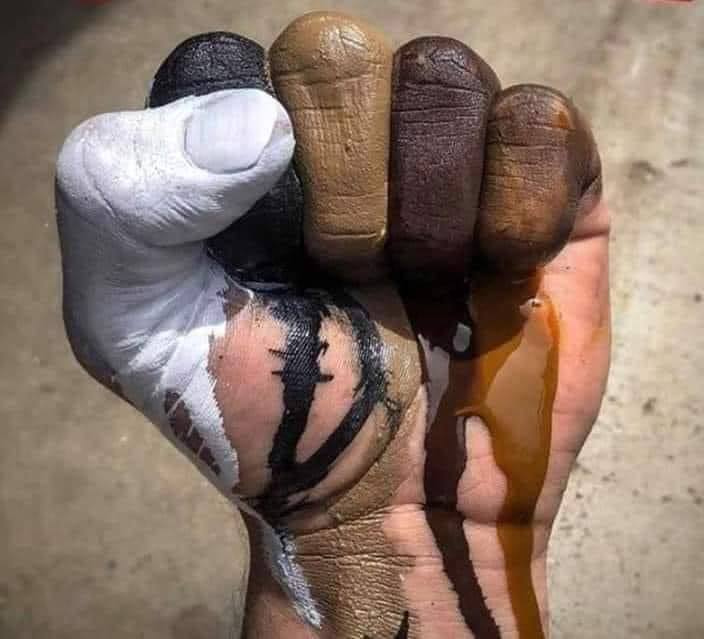
We – the military & police peacekeepers – are color blind. We are not able to recognize skin colors; only camaraderie. If you save my “skin” I trust you, regardless the pigmentation of your “skin”, and I will save yours. What I am looking for is the competency, not the melanin.
Skin colors are just environmental camouflage. Many times I have painted my face in green.
During my Peacekeeping missions, we never made any decision based on religion, gender or skin color – the was only one differentiating color “Blue helmets”, my “comrades”.
Up until about 2008, the wars also had a Forward Line of Own Troops (FLOT) in our living rooms, more specifically – in from of the TV set. It was common to hear the buzzwords “if you control the media contents, you have access to the hearts and brains of your audiences”. The military did it; politicians did it; even religious entities and large commercial enterprises did it; everybody did it.
Hence, in order to gain “media supremacy” over the enemy, there was a specific kind of battle going on. Much like in the conventional maneuvers, the military had specific units tailored to deal with the media representatives; they had coordinated activities to show/hide whatever the forces were doing, etc.
“Why are you using the past tense?” – You may ask. Because, just when everything was getting in perfect sync, and the greater military power also had the upper hand in dealing with the media; mobile devices were introduced on the battle field, and the news media jumped from the living room to our coat pocket. The “24 hours news media report” became the “86.400 seconds news feed”, and everybody is a journalist.
Soldiers were live-streaming their own death in Afghanistan’s battle fields. Forget the “CNN effect”, we are seeing now the War reality show in the palm of our hands … without much censorship; or so we think!
“If you can’t beat them, join them!” therefore, the military decided to jump into the cyber news media environment.
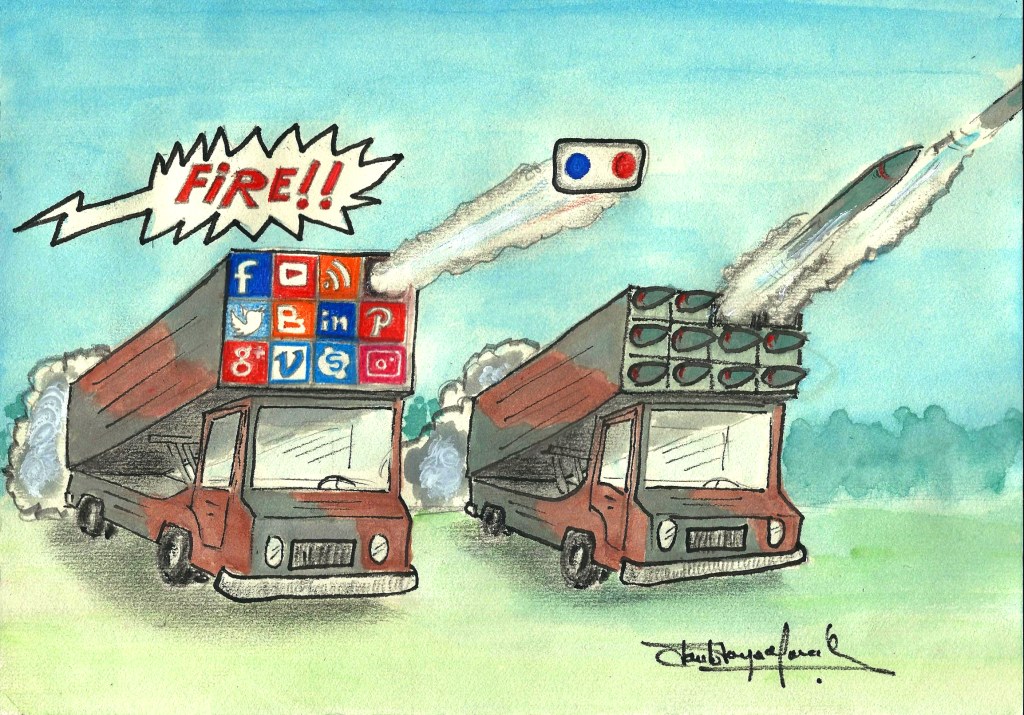
Battles are now fought not only with kinetic weaponry, but also (probably with priority) with social networking tools and concerns.
“Concerns?” – yes concerns, because, sometimes “we want to see without been seen”, others “we want to see as much as been seen”; and that requires new a doctrine, and a new approach to the issue.
The new battlefield non-lethal actions, either being Public Information or Psychological Operations, are all part of Strategic Communication Campaign, which, undoubtedly will be using social media networks to achieve the same goal: Information supremacy at the home FLOT; reaching where no “paper bullet” has reached before!
Nas missões de Apoio à Paz por vezes acontecem coisas muito preocupantes, mas que, quando recordadas muitos anos depois, não deixam de ter um toque de pitoresco, com algum humor à mistura. Recordo um camarada brasileiro, Observador Militar da UNPROFOR na Bósnia Herzegovina, tal como eu, que havia sido aprisionado por forças Sérvias e usado como “escudo humano” contra os ataques aéreos da OTAN em 1995.
Era um Capitão absolutamente excepcional, que conseguia aliar os seus sólidos conhecimentos castrenses a uma personalidade divertida, e que levou a sua detenção de uma forma absolutamente desportiva.
Era mesmo um exemplo de resiliência e boa disposição, reconhecido por outros elementos da ONU que estavam na mesma situação. Estava tudo a correr muito bem, até que um soldado sérvio decidiu mexer no seu saco de pertences e descobriu umas cassetes áudio, com música de Maria Bethânia. Para aquele UNMO brasileiro, aquilo era passar para além da linha vermelha.
–”Levem tudo; mas não me levem a Bethânia”. – Terá dito em desespero de causa.
O Sérvio não ligou e o Brasileiro mostrou-lhe a fibra da selva Amazonica, A coisa acabou correr mal, porque o brasileiro reagiu com agressividade e sofreu as consequências. Ficou sem a Maria Bethânia e com alguns hematomas para recordação do “heroísmo Bossa Nova”.
During the last year of Bosnia’s War, I had to interview several people to understand and report the population’s feeling regarding the ongoing conflict.
Regardless of the ethnic group, age, gender or social condition, the population had had enough of the war. They all recognized the disagreements between the different ethnic groups, but that war was simply too much and it had to stop.
A female interpreter told Alex that she had had three different boyfriends, but she had never broken the relationship with any of them; neither had them … it had been the war that broke all those boys … into small pieces! That girl had serious relationship issues, because she didn’t want to get involved with anyone else, fearing he might not return home that very evening.
A young ABiH soldier confessed that he would like to get married, but he wouldn’t do it in a country that could jump so easily into an armed conflict. He also feared that one of the members of the couple might not return home at the end of the day.
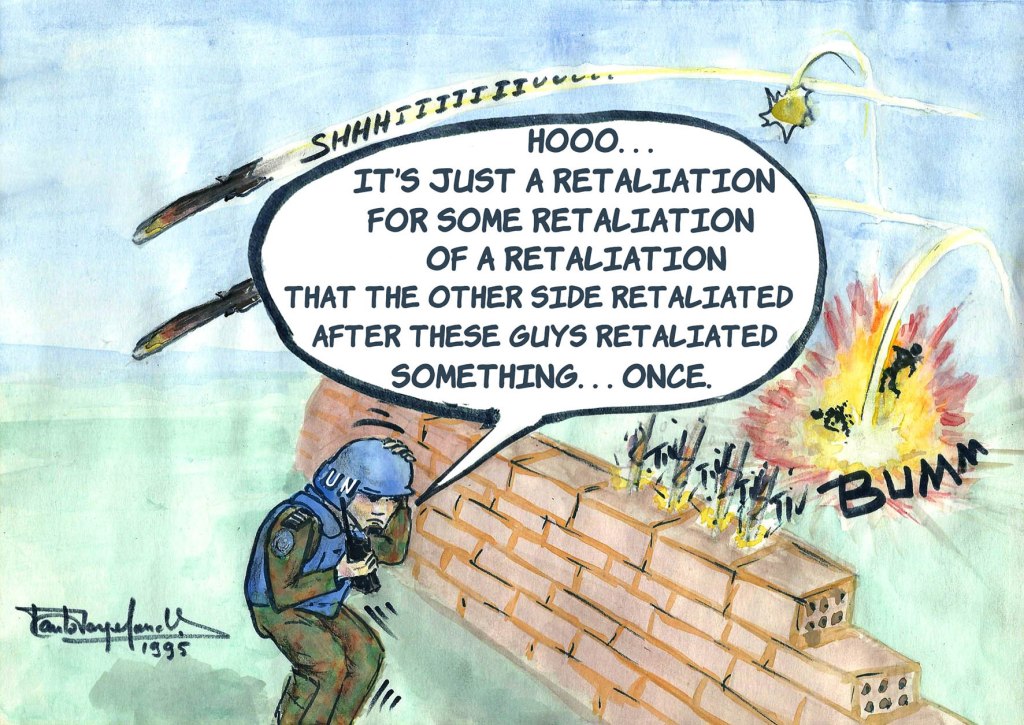
Every family has lost someone fighting the other ethnic group. Retaliations on top of retaliations for about four years.
For all that resentment to calm down, and eventually go away, it would be necessary at least one full generation to live without having the experience of conflict with the other ethnic groups. Only those that were going to be born after the end of that war could become future leaders and take inclusive decisions that would benefit all parties.
It has been 25 years now. The “Dayton babies” (Bosnian youngsters born after the war) are starting to reach the echelon of power in all three ethnic groups.
25 years ago, on the 25th July 1995, about one week after the fall of Srebrenica’s UN Safe Area, the Bosnian Serb Army (VRS) attacked and took yet another UN Safe Area – Zepa.
Not many people remember the fall of Zepa, but it was quite a disastrous situation for the Bosnian Muslins and the UN forces – UNPROFOR.
smart
Zepa was one of three UN Safe Area in Eastern Bosnia (Srebrenica, Gorazde and Zepa). The enclave sits in a forested mountain canyon (very difficult to maneuver), , about 50 kilometers southwest of Srebrenica, and it was the home of more than 16.000 Bosnian Muslims (Bosniaks).
The VRS attack on Zepa followed the same pattern as the taking of Srebrenica. It initiated with a heavy shelling of the City Centre, followed by assaulting and taking control of the UN Ukrainian contingent Post.
After having entered the Village, the Serbs started to remove by force Zepa’s civilian population, destroying their homes and their mosque, and killed three of their most prominent leaders – municipality president Mehmed Hajric, the commander of the Bosnian Army’s Zepa Brigade, Avdo Palic, and the commander of Zepa’s Civil Protection Unit, Amir Imamovic..
In the days thereafter, the VRS exerted pressure on the civilians hiding in the woods to return to Zepa in order to be transported out of the enclave; hence, the VRS organized a large compulsory ‘evacuation’ of the civilian population.
From July 25 to 27, under the direct authority of the Serbian General – Tolimir – nearly 4.400 women, children and elderly were forcibly removed from the Zepa enclave, on Serb busses.
But, what about the Ukrainian peacekeepers?
After having gained control of the UNPROFOR Observation Post, manned by the Ukrainian Contingent, General Tolimir used the peacekeepers as Human Shields, threatening to kill them, if NATO warplanes would strike back the VRS positions.
However, before the VRS attack, those 79 Ukrainian blue helmets had been suffering the poor treatment of a peacekeeping mission in a war zone, because the Bosniak forces inside the pocket had been robbed them at gunpoint of their weaponry (to be able to face the Serbs) and even took the peacekeepers personal belongings and their money.
The Bosniak troops, who are predominantly Muslim and who view the Orthodox Christian Ukrainians as sympathetic to the Serbs, took two soldiers hostage and reportedly beat the Ukrainian commander. The Bosnian forces threatened to shoot the commander if the Ukrainian soldiers in the United Nations force did not surrender all of the weapons in the compound.
Some 600 to 1.000 Bosniak troops, using armored personnel carriers seized from the Ukrainians, lobbed mortars and fired on the advancing Serbs. That made the Serbs to have the (wrong) perception that the Ukrainians were sizing with the Bosniaks and, when the VRS took control of the situation, it was “pay time”.
We should honor our Ukrainian peacekeeper comrades for the hard times they supported (both in Zepa and Gorazde)” in the service of Peace”.
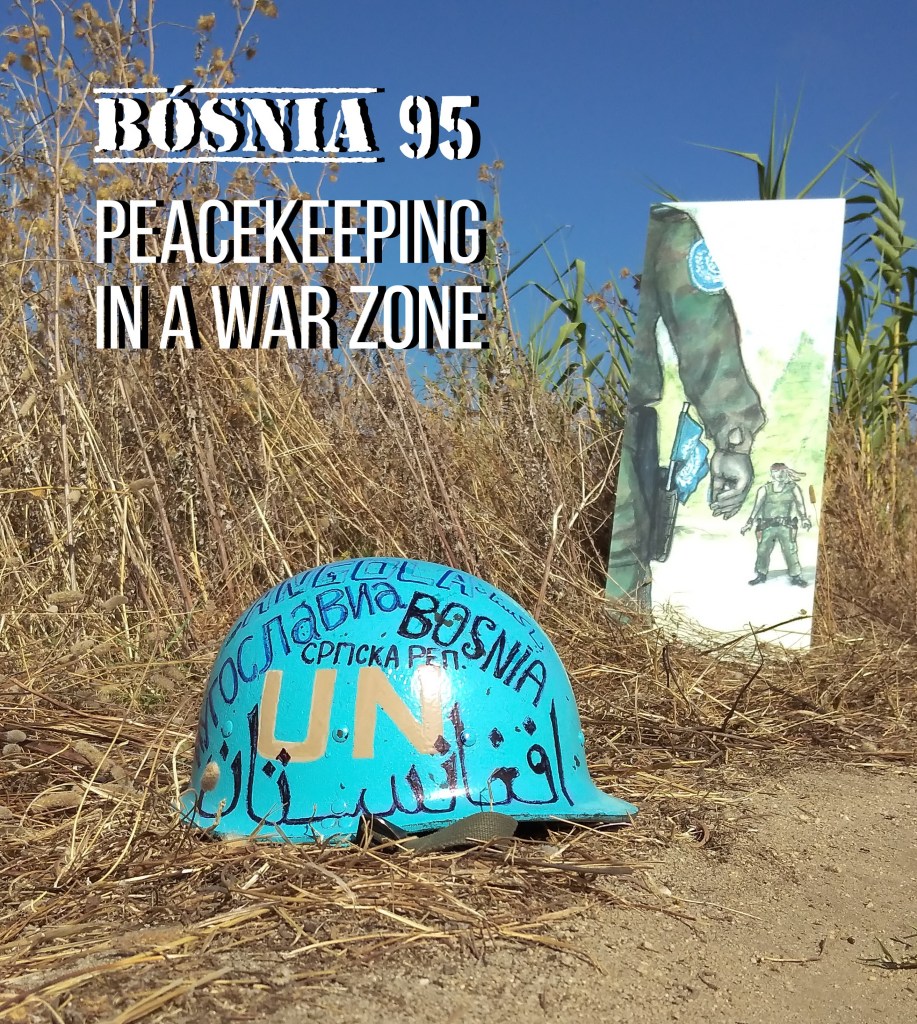
During the Bosnian War (1992-1995) the World learned about the United Nations blue helmets contingents deployed in the battle fields.
Not many people knew about the small branch of United Nations Military Observers (UNMO) that were constantly travelling unarmed, across the confrontation lines, counting and reporting the amount of shells fired, the exchange of corpses and prisoners of war, the suffering of the civilian population , etc. Those UNMO small teams had to live out of the UN contingents, among the local population, buy the food they bought, drink the water they ate and suffer the dangerous they suffered. That was a hard and hazardous job, normally executed in small teams of less than 10 officers and two local interpreters. It was a risky and daring task, but it was of essence for the UN to understand what was going on beyond the barbed wire of the international military compounds.
However, there was an even smaller group of UNMO officers, only a few people knew about, that were monitoring electronically the No Fly Zone over Bosnia. They were the UNMO Airfield Monitors deployed in (Croatia – Zagreb) Pleso and (Yugoslavia – Belgrade) Surcin radar sites.
They were observing and reporting the war in its third dimension – the airspace.
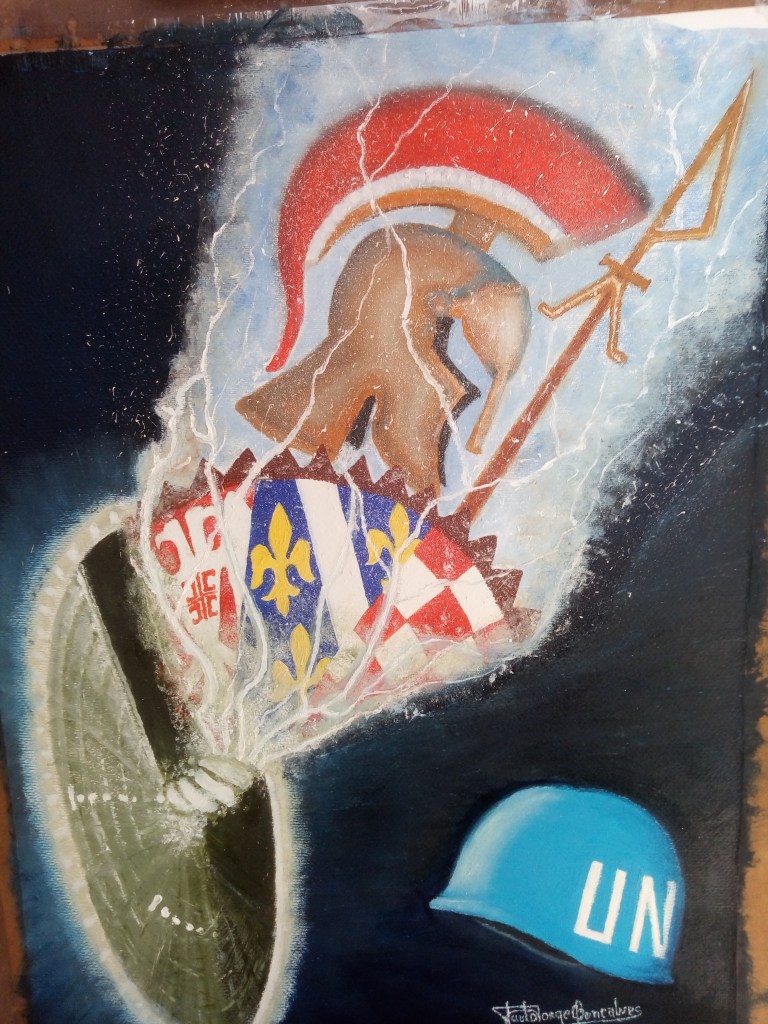
Ares – the God of War – returned to the Balkans in early 90s.
Although much less dangerous, regarding exposure to the battle environment, those tasks were particularly intense and demanding in order to have a 24 hours – 7 days per week – presence at the radar site, with a team of six.
And when they were not at the radar, they had to do visual inspections of the helicopters authorized to execute medical evacuations (MEDEVAC) into/from Bosnia.
During the first semester of 1995 (the last year of war) the amount of potential violations of the No Fly Zone was considerable, and the reports followed their path up the chain of command, all the way to the UN Security Council in New York. As a result, Yugoslavia suffered seven extra months of UN sanctions. At the radar Team, we felt only but sorry for the Yugoslav population, that had already suffered enough under the regime of Milosevic.
 OPen samento