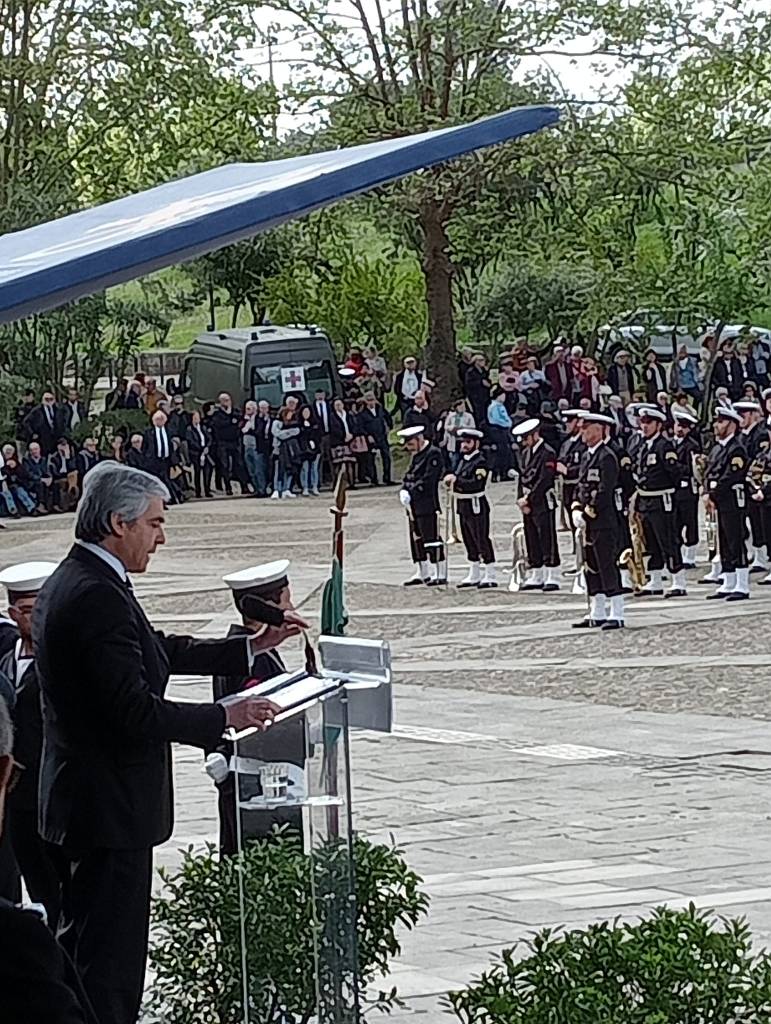
No dia 7 de abril de 2024, o Ministro da Defesa Nacional participou pela primeira vez num evento público de cariz militar. Tratou-se do Dia do Combatente, celebrado no Mosteiro da Batalha. As palavras de Nuno Melo não vieram trazer nada de esclarecedor, porque (como o próprio fez questão de referir) o programa do governo ainda não está fechado, pelo que não há muito a dizer. Contudo, o Ministro conseguiu algo que eu ainda não tinha visto antes – arrancou uma salva de aplausos e palavras de apoio do público que assistia ao evento. Fê-lo porque falou ao coração dos antigos e atuais combatentes (e respetivas famílias) presentes no local. Nem o Presidente da República (que também discursou) igualou a reação do público que Nuno Melo conseguiu.
Cuidado senhor Ministro … esta gente está sequiosa de atenção, mas não gosta nada de ficar desiludida se as palavras não passarem a ações.
No dia 24 de janeiro de 2024, decorreu na Sociedade de Geografia de Lisboa, uma Conferência (híbrida), promovida pela Secção de Ciências Militares dessa Sociedade sobre a temática dos “650 anos da Aliança Luso-Inglesa e a sua atualidade”
Para além da interessante retrospectiva história, ficou bem patente que, tanto nas celebrações dos 600 anos da Aliança como dos 650 anos, foram as autoridades portuguesas deslocaram-se a Londres para celebrar o evento, em ambos os evento “um Marcelo” (primeiro o Caetano e depois o Rebelo de Sousa). Por sua vez, o Reino Unido enviou a Portugal a patrulha acrobática Red Arrows.
Porém, e muito estranhamente, verifica-se que a Aliança em vigor mais antiga do Mundo (1373 – 2024) não consta do Conceito Estratégico de Defesa Nacional Português. Será que esta Aliança não é para levar a sério?
O Ser Humano só consegue avaliar aquilo que realmente aprendeu quando é posto à prova.
A Segunda Guerra Mundial representou o fim da Segunda e o início da Terceira Revolução Industrial, as quais empurraram a Humanidade para um novo estágio do Homo Sapiens. A aviação é uma dessas inovações, diria mesmo uma conquista, porque o Homem sempre invejou as aves e atribuiu aos céus a morada dos Divinos. Porém, a invenção que mais terá alterado os nossos protótipos foi a internet. A partilha de informação online, permanentemente disponível em quase todo o sítio de forma fácil e gratuita, misturando conhecimento e entretenimento (o Infotainment), mudou uma das mais antigas normas sociais da Humanidade – a relevância dos anciães.
Efetivamente, cada vez mais vemos a inversão do paradigma – “os mais velhos ensinam os mais novos”, sendo que as novas gerações desenvolveram a capacidade de se auto-instruírem online, e agora são “os mais novos que ensinam os mais velhos”.
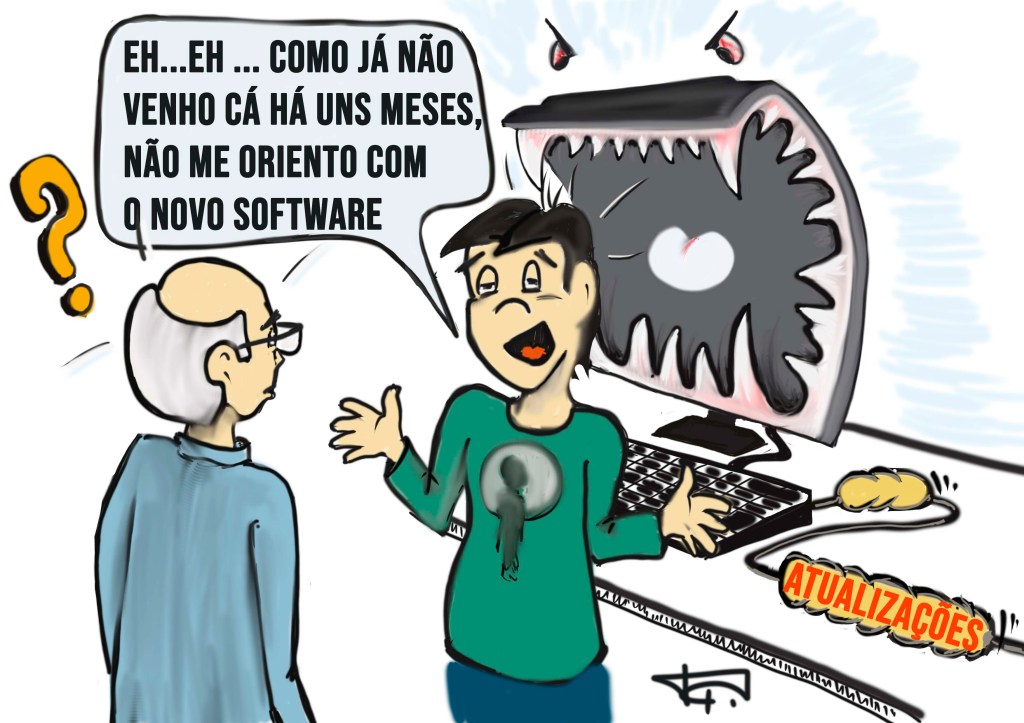
No entanto, até os mais novos têm de ter cuidado em não ficarem obsoletos, porque o monstro tem a tendência de comer o tratador. Por muito vocacionado/a que se esteja para a info-literacia, qualquer ausência perlongada do keyboard traduz-se em sérias dificuldades na integração sistémica, porque as novas tecnologias rejuvenescem-se a um ritmo alucinante.
Quando tudo falha – o nosso cérebro busca soluções naquilo que fizemos vezes sem conta e não em raciocínios elaborados.
No mundo de hoje, a partilha de informação é essencial em quase tudo, e muito particularmente na aeronáutica. Porém, não devemos confundir informação com conhecimento, nem sabedoria com sapiência. Não basta saber como se faz; é necessário interpretar os acontecimentos e antever as consequências do que se vai fazer.
Saber como funciona um avião, e passar inúmeras horas num simulador, não significa que se esteja apto a sobreviver à primeira aterragem real sozinho. É necessário, exercitar essa manobra várias vezes em ambiente real, antevendo todo o tipo de emergências e dificuldades, partilhando o cockpit da aeronave com um/a instrutor/a de voo. O mesmo se passa com os mecânicos, com os controladores, com os bombeiros e com todas as outras especialidades que formam a Equipa da Força Aérea. Porque voar, é o resultado de um trabalho de equipa.
Na Força Aérea procuramos apostar nas mais recentes tecnologias de informação, e zelamos pelo conhecimento e sapiência dos nossos militares. Fazemo-lo através do estudo académico complementado com execução prática, e pelo conceito de que “a antiguidade é um posto”. Tirar um curso não é o suficiente, é necessário estar qualificado/a, e a qualificação traduz-se na avaliação da execução em ambiente de trabalho real examinada por um/a instrutor/a certificado/a, independentemente dos postos relativos do instruendo/a e do examinador/a.
Executamos, e voltamos a executar vezes sem conta aquilo a que nos propomos saber fazer antes de sermos “largados” pelo/a examinador/a, porque é sabido que em situações de elevado stress, as pessoas não pensam; reagem. Em combate, isso é a regra e não a exceção.
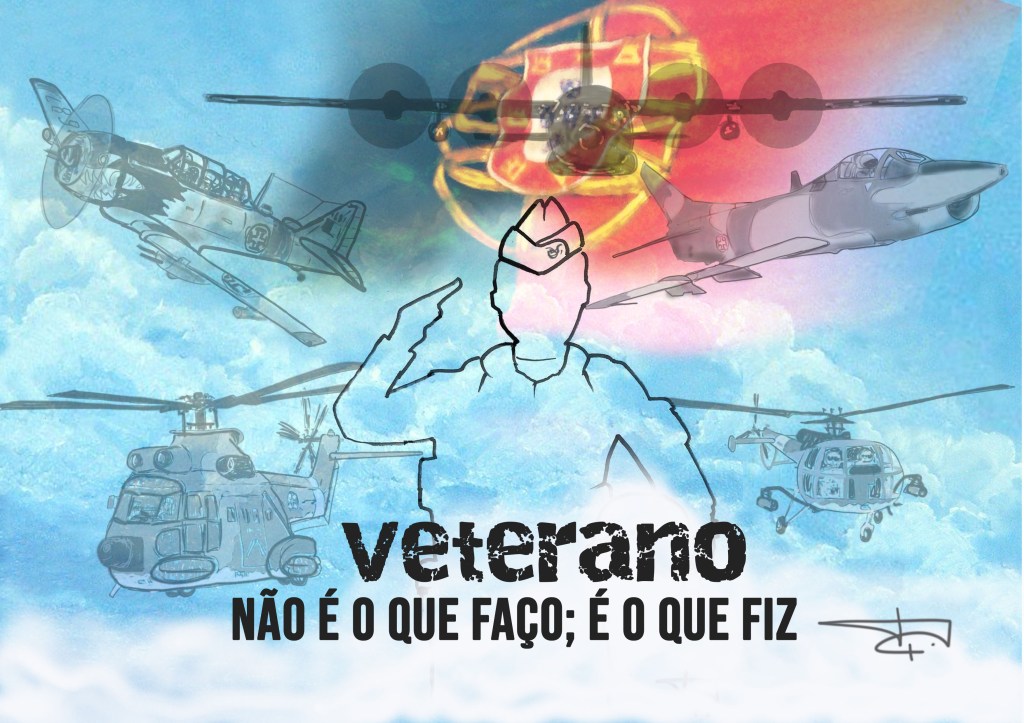
O combate exige total disponibilidade, boa forma fisiológica, perícia e experiência. As duas primeiras exigências são características dos/as mais novos/as, sendo as duas últimas particularmente dominadas pelos/as veteranos/as.
O desafio (talvez seja mesmo – o segredo) está no aproveitamento sinergético da relação intergeracional entre os/as jovens militares, com toda a sua capacidade de absorver novas valências, e os/as veteranos/as com toda a sua experiência crítica.
Os planeadores militares sabem que as guerras se fazem com as mesmas ferramentas com que se produz riqueza. Sempre foi assim, e sempre assim será! As batalhas do Século XXI combatem-se com tecnologia e não com a massificação de batalhões no terreno, como na segunda revolução industrial do Século XX. As novas guerras são híbridas, desenvolvem-se em domínios disruptivos e são extremamente caras. Um caça F-35 custa 80 milhões de euros, gasta 36.000 euros em cada hora de voo e dispara (entre outros) mísseis ar-terra Hellfire cujo o preço unitário são 115.000 euros; um carro de combate moderno custa 14 milhões de euros; e uma fragata bem equipada por chegar aos mil milhões de euros. Uma simples espingarda de assalto moderna custa o dobro de uma G-3, tem sensores eletro-óticos que requerem uma manutenção apurada e exige uma qualificação de operação demorada.
Os militares modernos têm de ter conhecimentos avançados em novas áreas de especialização, e fazer uma gestão economicista das reservas de guerra.
Por seu lado, os veteranos sabem que para se fazer uma análise acerca de uma determinada situação, tem de haver algum afastamento no espaço e no tempo para evitar o “nevoeiro da batalha” porque, como dizia o General Carl Von Clausewitz:
“O nevoeiro da batalha esconde cerca de três quartos da informação necessária para a tomada de decisões apuradas.”
A extensão das novas linhas de confrontação, a velocidade dos acontecimentos, o acesso à informação, a multiplicidade de novos meios de combate e os novos domínios da guerra incrementam cada vez mais nevoeiro do campo de batalha.
Os decisores militares passaram a estar obesos de informação, mas anoréxicos de conhecimento, porque o volume de informação é tal que a capacidade de seleção e síntese passou a ser exígua.
O dilema coloca-se em saber como fazer uma análise com afastamento do evento, quando o evento não cessa de se reconfigurar. A resposta está na comparação de soluções adotadas noutros conflitos, estudando as respetivas consequências. Porque, tal como também dizia Von Clausewitz: “A guerra é a continuação da política por outros meios”, e o grande dilema da guerra continua a ser “o que fazer com a vitória militar?”
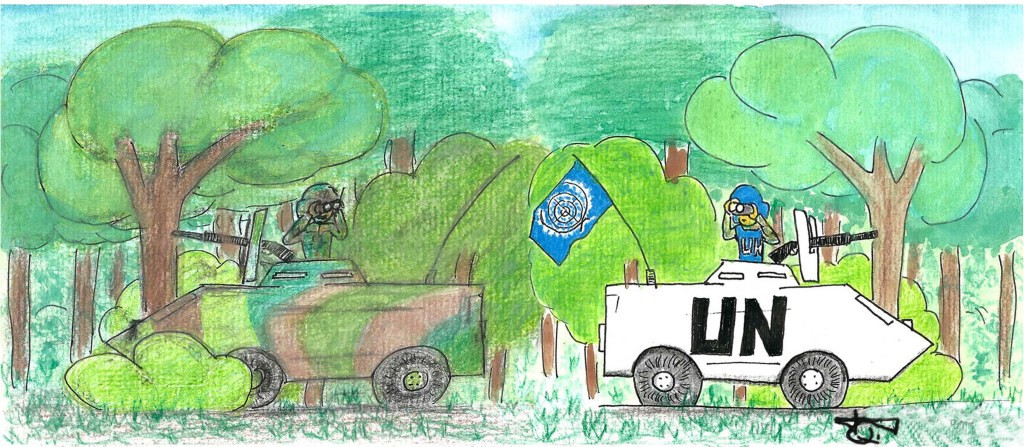
Os veteranos sabem por experiência própria que os novos conflitos se dividem em operações de combate, e operações de apoio à paz. A grande diferença entre estes dois tipos de operação militar está na visibilidade. Enquanto nas operações de combate os militares querem ver sem serem vistos, nas operações de paz quem ver e querem ser vistos.
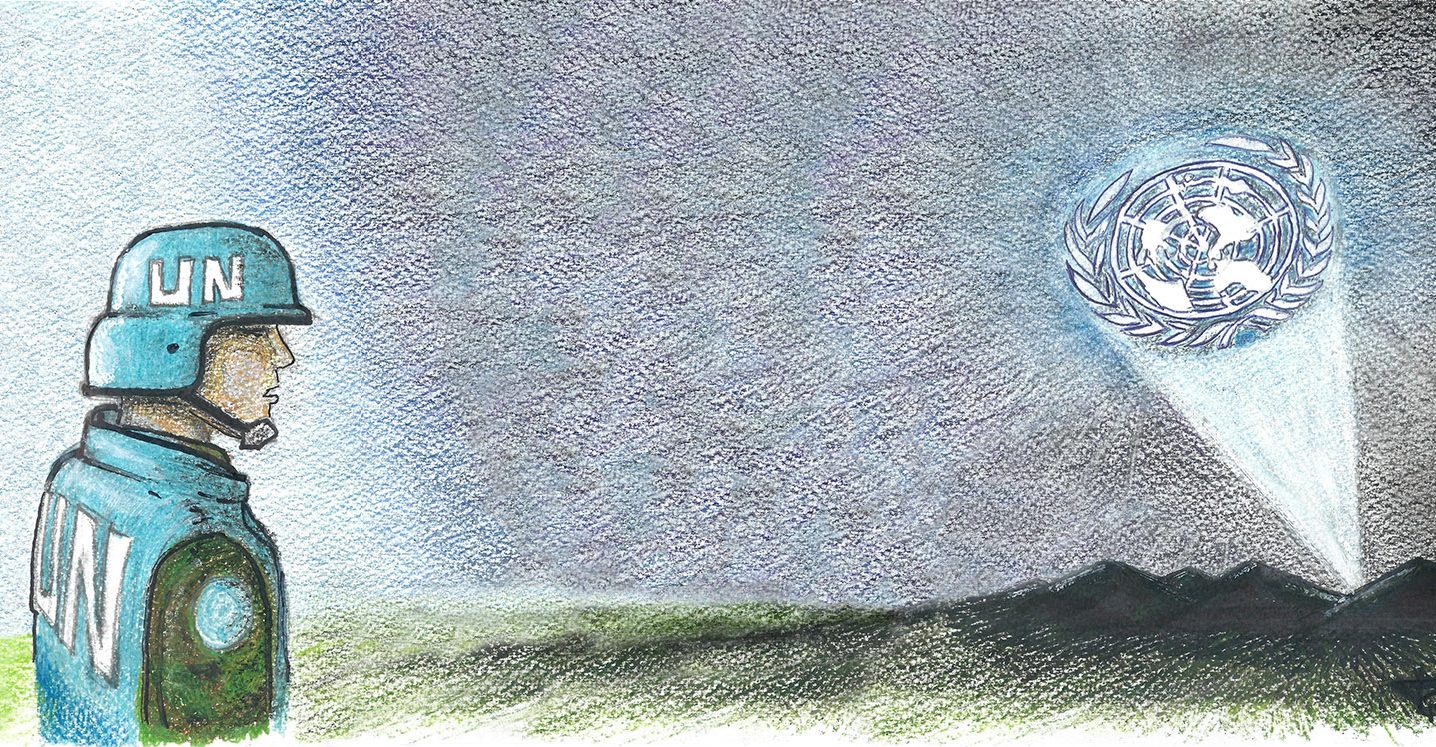
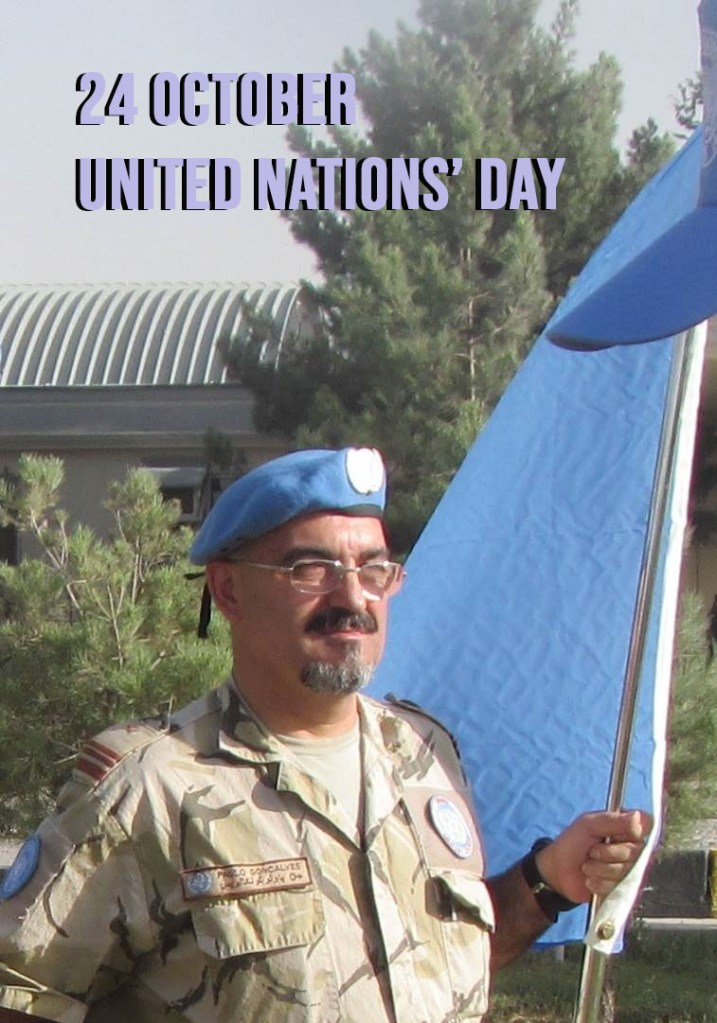
Nas Operações de Manutenção de Paz das Nações Unidas, onde a decisão política tem de tomar decisões urgentes sem o luxo de amadurecer uma avaliação ponderada, os decisores no terreno são apoiados por Unidades de Assessoria. Cientes que a História tende a repetir-se, os peritos que integram essas Unidades de Assessoria procuram o tal “conhecimento de experiência feito”, identificando as lições aprendidas e as melhores práticas utilizadas em situações análogas, a fim de antever as consequências das várias opções de decisão e modalidades de ação no terreno.
Nunca descorando que os comportamentos do passado são os melhores preditores de desempenhos futuros, as assessorias desses órgãos fazem simulações e debatem soluções, integrando a visão de civis e militares nas suas avaliações. Detalhe curioso é a existência de veteranos de guerra nessas estruturas, quer contratados como civis ou mantendo funções militares. Eles são a memória viva, na primeira pessoa, de situações de alguma forma análogas. Testemunhos da coerência das opções adotadas, e dos resultados obtidos. Os veteranos experienciaram aquilo que não está escrito em relatório nenhum – a sensação de “dejá vu”. A assessoria resultante da integração de estimativas apresentadas pelas novas tecnologias, incorporando a experiência dos veteranos, é uma mais valia para a decisão do escalão superior.
Contrariamente aos famosos reportes de situação (SITREP), onde a qualidade da informação é influenciada perímetro das operações e pelo imediatismo da transmissão, a perspectiva dos veteranos está liberta do aperto claustrofóbico da cápsula do espaço e do tempo.
Os relatórios descrevem as árvores, mas os veteranos interpretam a floresta. Um simples olhar para o mapa pendurado na parede, onde alguém desenhou cuidadosamente a ordem de batalha, possibilita ao veterano identificar o próximo vetor da manobra. Um telefonema para um amigo, que conhece um amigo, preenche os espaços vazios na quadrícula do mapa; porque muitas vezes não importa o que se conhece, mas sim quem se conhece.
Assim como os veteranos não devem de cair na ilusão de que “são eles que sabem como fazer”, também as novas gerações não se devem de considerar como sendo “aqueles que sabem o que fazer”. A solução está na sinergia criada pelo trabalho de equipa intergeracional, onde “em conjunto cada um consegue mais” (Together Each Achives More – TEAM).
Assim, é uma pena ver o desperdício de valências que os veteranos poderiam acrescentar e que não está a ser aproveitada, quer seja na assessoria em resolução de conflitos, ou na retaguarda das operações de soberania, das operações de apoio à paz, de ajuda humanitária, de emergência civil, etc. Apoio às operações, como também à formação das novas gerações de militares; trabalho de voluntariado em museus e hospitais militares; apoio organizado junto das Câmaras Municipais para reforço da Proteção Civil local; em testemunhos vivos no Dia de Defesa Nacional, porque as palavras convencem, mas os exemplos é que arrastam; etc. Os veteranos são ainda particularmente importantes na ajuda e reintegração de outros veteranos na sociedade civil, como por exemplo no combate à síndrome de stress pós-traumático, porque nem sempre é fácil despejar o passado sem vergonhas e inibições a quem se é íntimo, ou a quem não se conhece. Os veteranos formam “aquela irmandade” de quem se é íntimo não sendo, de quem entende e se pode falar sem timidez.
Dir-me-ão que não há originalidade no meu argumento, e que algumas das situações elencadas acima até já são efectuadas. É verdade, e até poderia dar vários exemplos disso, mas são casos isolados e o potencial disponível é muito maior do que é aproveitado. O sentido de servir está fortemente incutido na personalidade da maioria dos veteranos, que se consideram a reserva moral da Nação. Para tanto, bastaria haver “aquele apelo”, a organização e o reconhecimento por parte de quem tem responsabilidades na área.
Quanto aos veteranos, também eles já foram novatos e receberam de outros veteranos o conhecimento que lhes serviu para blindarem o espírito no Teatro de Operações. Essa passagem de conhecimento é uma dívida que não se cobra a pronto de pagamento no campo de batalha, mas paga-se em prestações suaves às novas gerações, passando o conhecimento e a sapiência a que necessita deles.
O jornal Expresso alerta que o próximo palco de conflito na Europa serão os Balcãs. O Presidente Ucraniano – Volodymyr Zelensky – afirmou:
“Prestem atenção aos Balcãs. Acreditem em mim. Estamos a receber a informação”, garantindo que, depois do reacendimento do conflito no Médio Oriente, os Balcãs serão a próxima “distração” num alegado “longo plano” da Rússia.
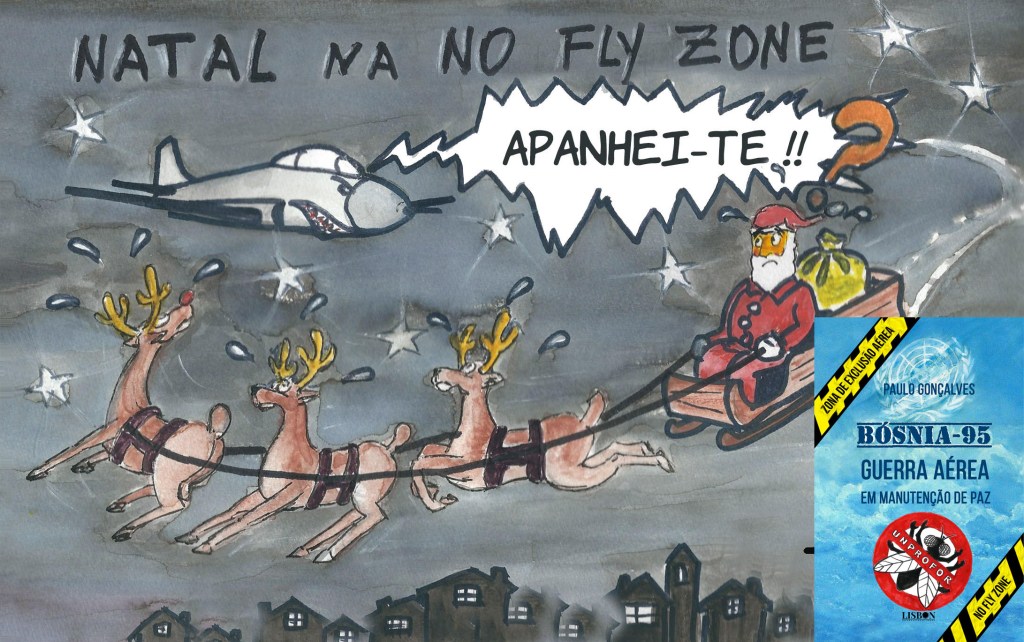
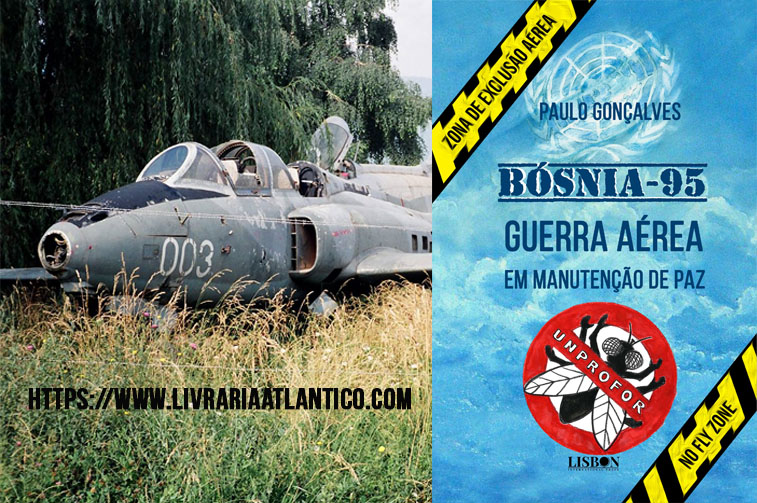
Leia neste testemunho como acabou a Guerra na Bósnia, para entender como poderá recomeçar.
Uma boa prenda de Natal para quem quiser saber como foi, assim como para quem quiser participar numa missão de manutenção de paz, lendo um relato na primeira pessoa com as lições aprendidas neste tipo de missões.
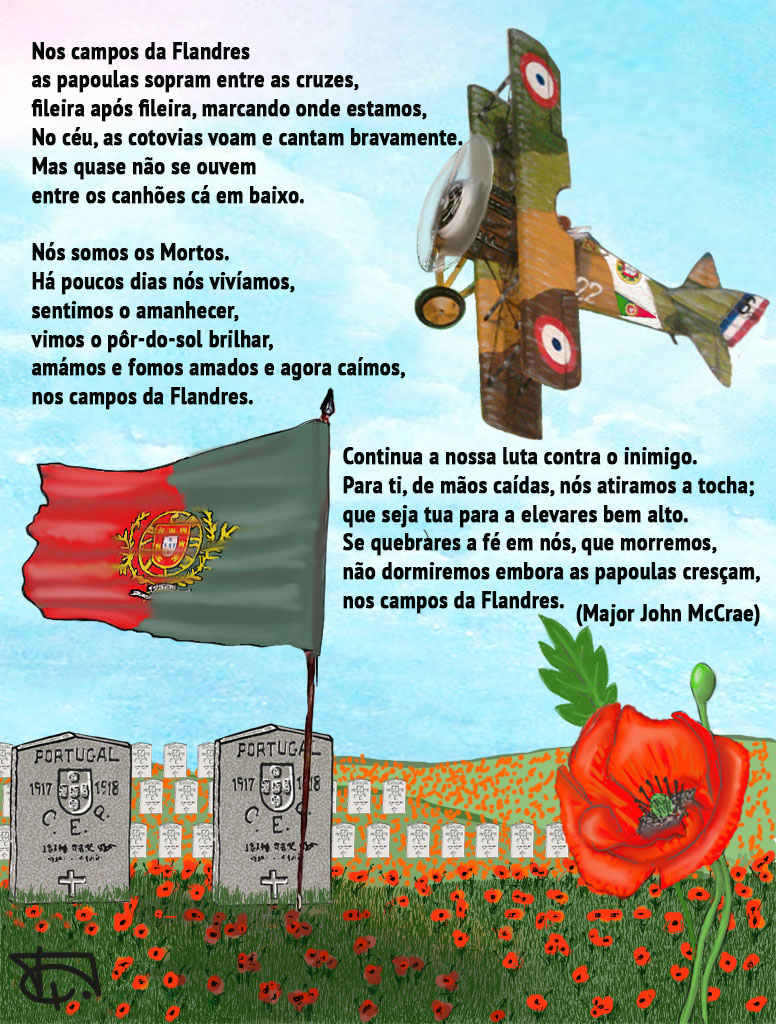
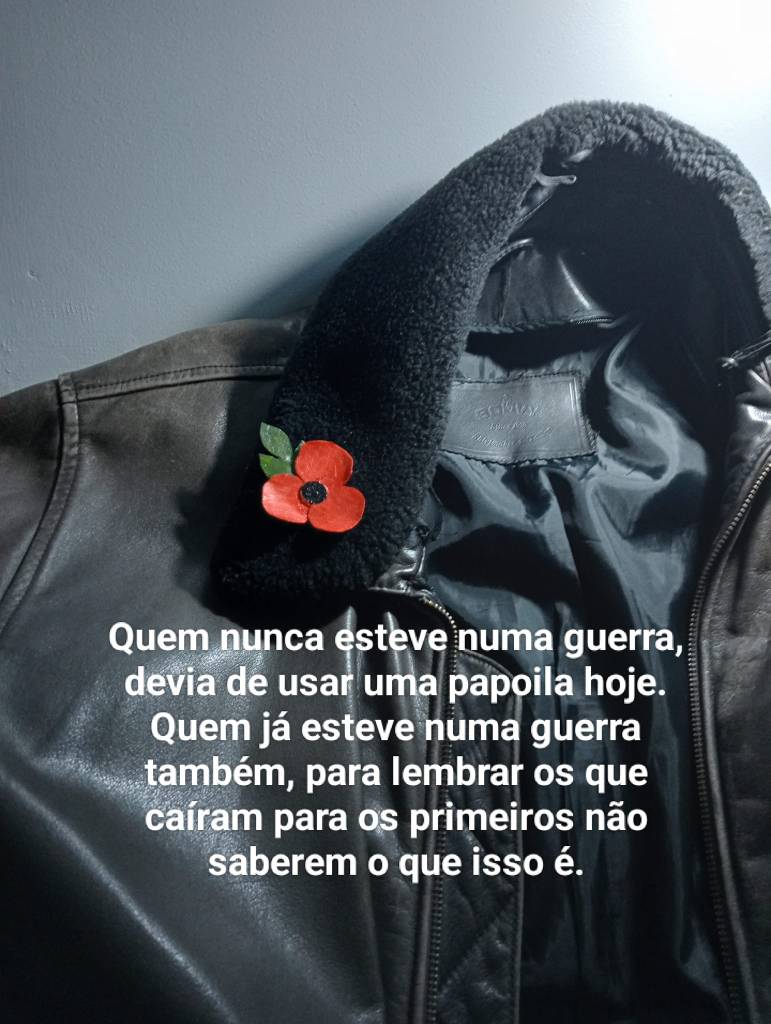
No passado dia 11 de novembro de 2023, celebrou o 105º aniversário da assinatura do Armistício que colocou um fim na Primeira Guerra Mundial.
Um oficial do Exército Inglês, que participou no conflito, escreveu escreveu um poema intitulado “Nos Campos da Flandres” , onde refere as papoilas que crescem entre as campas dos que caíram.
Esse poema acabou por originar a tradição do uso de uma papoila na lapela nesse dia, em hora dos que se bateram e caíram em combate.
A tradição da papoila tem mais expressão nos países da Commonwealth, mas alastrou-se à Europa, América do Sul, África e Ásia não britânicas. Em Portugal esta tradição não colou, embora tivéssemos perdido em poucas semanas de combate quase tantos mortos como nos 14 anos de Guerra no Ultramar.
Os meios aéreos que a ONU utiliza nas suas operações não são pertença daquela organização. É lançado um concurso público internacional, e quem ganhar esse concurso fornece o serviço completo de “aeronaves e tripulações prontas na linha da frente”. Geralmente, quem concorre são empresas especializadas na área, que depois subcontratam os operadores aéreos, buscando a melhor relação preço/qualidade (onde o preço tem ascendência). Depois, para reforçar as operações aéreas em determinados territórios, os países interessados oferecem mais meios aéreos, cuja operação é comparticipada pela ONU.
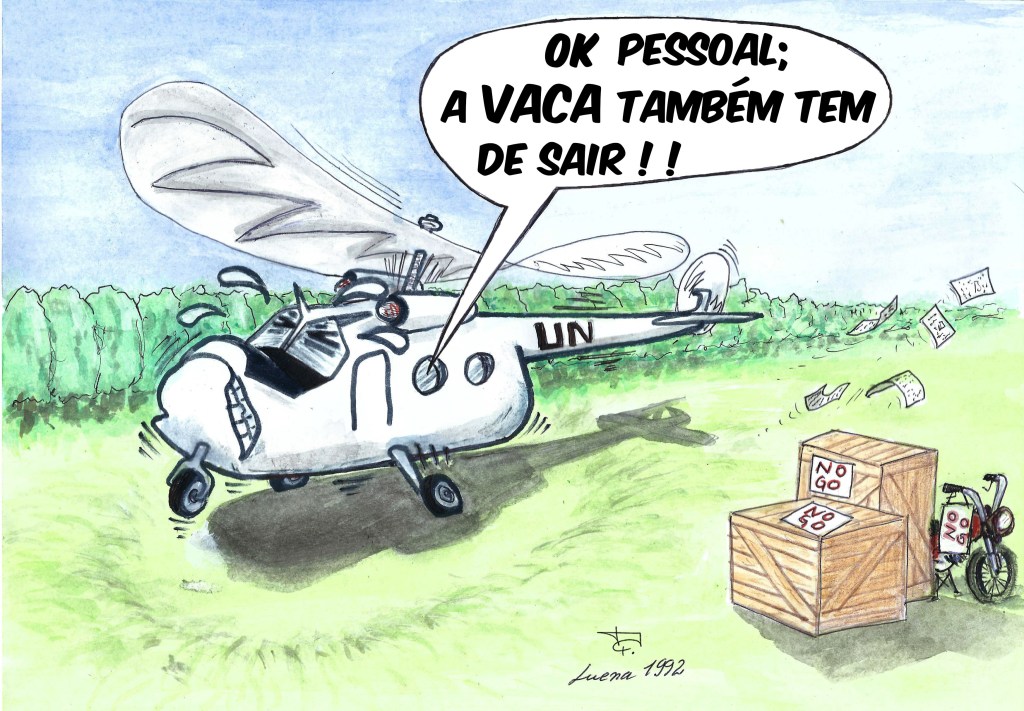
Na missão da ONU para as primeiras eleições angolanas, em 1992, os helicópteros ao serviço das Nações Unidas eram russos, e tinham sido subcontratados por uma firma canadiana que tinha ganho o concurso internacional. Os canadianos pagavam os serviços à entidade russa subcontratada, mas corrupção grassava na estrutura superior russa e as tripulações no terreno não recebiam os respetivos vencimentos. A insatisfação dos tripulantes russos no aeródromo de Luena (antigo Luso) era tal, que havia uma ameaça de greve aos voos de apoio às eleições. O responsável local do Programa das Nações Unidas para o Desenvolvimento (PNUD) – William Scott – tentou apaziguar os nossos russos, prometendo interceder por eles na estrutura superior da ONU, e passou a oferecer-lhes três refeições diárias e aguardente local – caxipembe – gratuitas até ao final da missão.
Surpreendentemente, a Caxipembe à borla pareceu ser um argumento de peso naquela resolução de conflito. As serenatas dos dias seguintes foram um sucesso, e até apareceu e uma versão moscovita de Elvis Presley, acompanhado à viola, com a voz grave e arrastada pela caxipembe. Foi nessa missão da ONU, no antigo AM-44 da FAP, que ouvi “Love me tender”, de Elvis Presley, cantado em russo; e gostei!
Aliás, as noites dos nossos russos eram geralmente bastante “regadas”. Bebiam para comemorar algo que tivesse corrido bem; bebiam para marcar algo que tivesse corrido mal; bebiam por quase todos os motivos e, quando não havia motivo algum, bebiam para criar um. Mais de uma vez tive de me assegurar que, no dia seguinte, antes do nascer-do-sol, estavam todos “suficientemente sóbrios” quando iam para os helicópteros, o que era um desafio. Lembrei-me de uma história publicada num jornal no tempo da guerra fria, onde se reportava que uma tripulação de um carro de combate T-55 soviético, durante um exercício na Polónia, tinha trocado o tank por uma grade de garrafas de vodka. Era uma questão cultural e não havia nada que eu pudesse fazer; a não ser assegurar-me que os meus tripulantes andavam numa linha reta quando se dirigiam para os helicópteros.
Voavam por instinto e não segundo os procedimentos. A segurança de voo era uma preocupação minha, mas, aparentemente, era mesmo só eu que tinha isso em consideração. A fim de cumprir com as necessidades das autoridades civis e da ONU, as aeronaves que eu geria saiam em média quatro vezes por dia. Essa situação era do agrado das tripulações russas porque, aparentemente, quanto mais voassem mais dinheiro ganhavam; quando recebiam … se recebessem! A segurança de voo era considerada um faits divers dos ocidentais; algo que vinha nos livros, mas que não era para levar demasiado a sério. Contudo, o cansaço das pessoas e a fadiga de materiais das máquinas começava a acusar os excessos, deixando-me deveras apreensivo com a sobrecarga de trabalho.
– “Não te preocupes Paulo” – dizia-me Anatoli Petrov, o único russo que falava inglês. – “Nós voávamos muito mais do que isto no Afeganistão, e lá havia gente que nos queira deitar abaixo. Pelo menos aqui não fazem fogo sobre nós!”
– “Pois não Anatoli,” – respondia-lhe – “mas o chão de Angola é tão duro quanto o do Afeganistão, e eu não quero que vocês provem a densidade do terreno!”
Cancelei vários voos, recusei outros, e discuti muitas vezes nas reuniões de coordenação com as autoridades eleitorais, para zelar que nenhuma das tripulações tivesse um encontro não controlado com o solo angolano.
Os nossos pilotos tentavam satisfazer as necessidades da campanha aérea, carregando o máximo de pessoal e material possível em cada voo. Embarcavam tudo o que podiam e tentavam descolar. Depois iam retirando “carga” até o helicóptero (MI-17) conseguir elevar-se nos ares; e seguiam viagem.
Peso & centragem a “olhometro”.
Certa manhã, após os nossos meios aéreos terem partido como um bando de pássaros, retirei-me para o cantinho da ONU na placa do aeródromo. Sentei-me num caixote para relaxar um pouco e liguei o meu walkman para ouvir uma música suave. A música arrancou com uma sonoridade pastosa e arrastada, sendo um primeiro sinal que as pilhas do meu walkman estavam gastas. Abri o aparelho e iniciei o procedimento de troca das pilhas. Nisto, um miúdo que andava por ali a catar desperdícios de Jet A-1, aproximou-se. O rapaz estava descalço e todo sujo, mas parecia observar cuidadosamente todos os meus movimentos. Quando eu me preparava para guardar as pilhas velhas no bolso do fato de voo, dirigiu-me a palavra:
– “Sôr, dá-me as pilhas.” – Pediu ele.
– “Companheiro, estas pilhas estão gastas, já não funcionam, perderam a eletricidade. Entendes?” – Respondi-lhe.
– “Não faz mal, Sôr. Dá-me as pilhas, por favor.” – Insistiu a criança.
– “Oh rapaz, eu dou-te as pilhas, mas elas não te vão servir de nada. Não consegues tirar nada daí de dentro.” – Retorqui enquanto lhe dava as três pilhas AA do leitor de cassetes portátil.
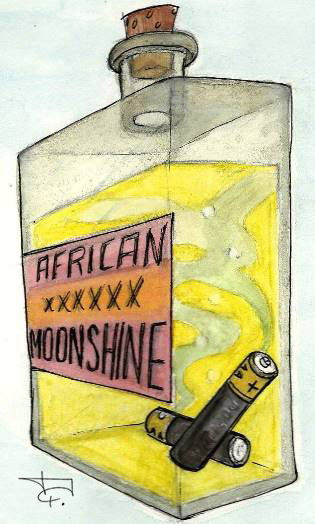
– “Tché … – exclamou ele – consigo, consigo! Abro-as com uma catana e meto-as dentro de um panelo com fruta e farelo de milho a fermentar, para fazer a caxipembe. O ácido das pilhas apressa as coisas e amanhã o caxipembe já está pronto para eu vender no bazar!”
– “Ora toma!” – Exclamei em voz alta – “Acabei de receber uma aula de química aplicada, de um puto com 12 anos! Então é assim que vocês fazem aguardente expresso?” – Perguntei.
Mas a criança já tinha “descolado” em direção aos portões do aeródromo, com as três pilhas numa mão e uma lata com Jet A-1 na outra.
Fiquei apreensivo com a poderosa aguardente que eu tinha estado a beber, com os meus amigos russos, numa das serenatas dessa semana. Será que também tinha sido feita à base de aceleradores de fermentação, do tipo: ácido sulfúrico? Pela forma como os russos a consumiam à noite, quando chegassem a Moscovo teriam de trocar de fígado! A partir desse dia, passei a beber só bebidas estrangeiras engarrafadas no exterior, ou de origem muito bem recomendada.
Caxipembe – aguardente de milho – expresso
Ainda tentei avisar os tripulantes russos sobre a forma duvidosa como aquela beberagem era feita, mas para eles pouco importava como aquilo era feito, desde que fosse de borla estava ótimo; e o “Elvis” continuou a cantar em russo nas noites quentes angolanas.
História extraída do livro “Angola 92 – Diário de um Capitão” que recorda a primeira missão da Força Aérea Portuguesa para as Nações Unidas, feita para apoiar as primeiras eleições livres Angolanas.
Celebra-se no dia 23 de outubro o primeiro voo de Santos Dumont, considerado por muitos como o primeiro voo de um “mais pesado que o ar” e por isso o Dia do Aviador.
Efetivamente, embora a primeira máquina a elevar-se nos ares tenha sido construída pelo irmão Wright nos Estados Unidos (17 de dezembro de 1903), essa aeronave foi catapultada, não cumprindo um dos pré-requisitos de ter a capacidade de descolar, voar e aterrar pelos seus próprios meios. Desta forma, a primeira aeronave que verdadeiramente cumpriu os parâmetros e fez um voo considerável (para a época) foi o 14-Bis de Santos Dumont, em 23 de outubro de 1906.
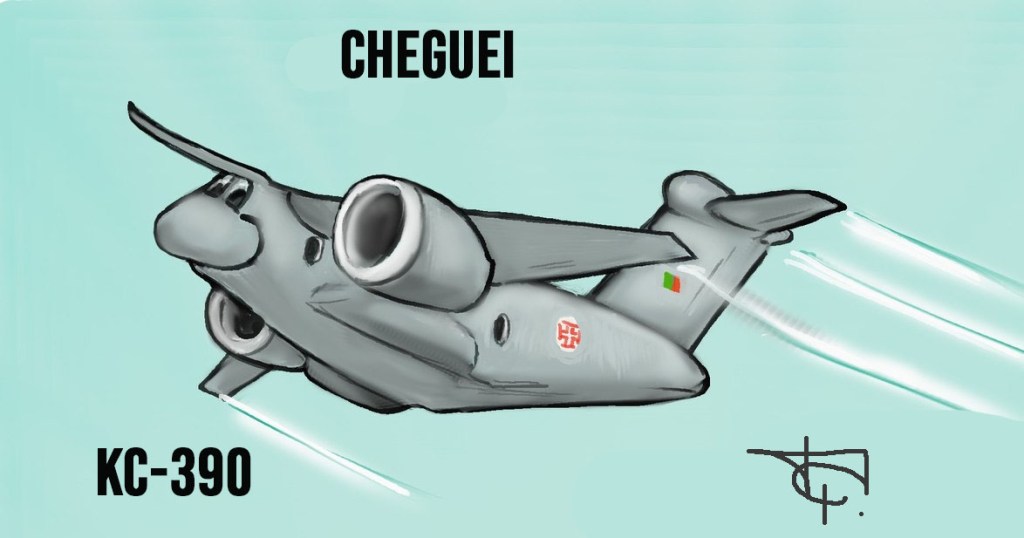
É oficial, já temos em Portugal o primeiro “Rinoceronte” da Esquadra 506, protocolarmente entregue à FAP. Um KC-390, caracterizado como sendo já uma aeronave de 5ª Geração.

 OPen samento