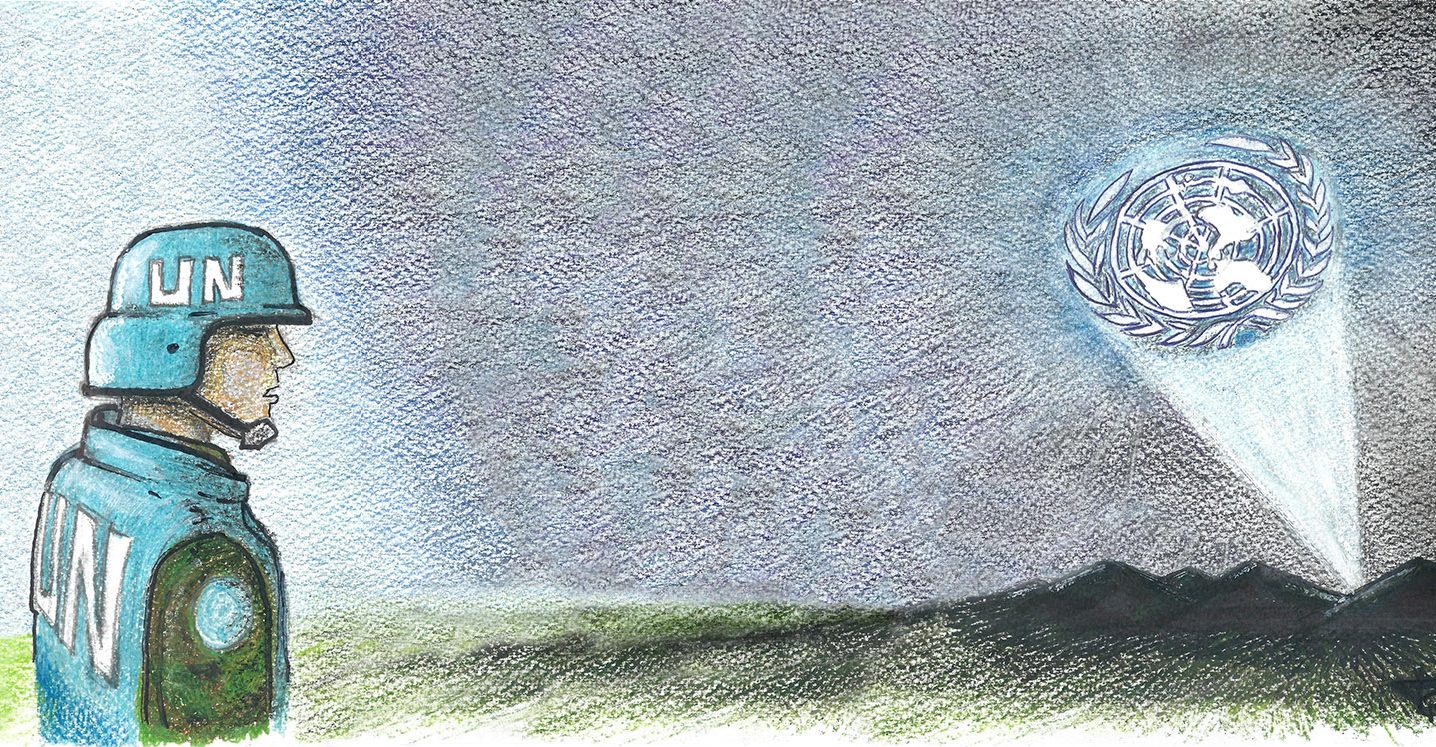
A certain day, back in 1992, during my mission for the United Nations Development Program (UNDP) in Luena – Angola – I was informed that the tanker aircraft due to replenish our aircraft fuel stock was going to fly to Luena only at night. Being the person in charge for the UN air activity in the wide region of Luena (Province of Moxico) I tried to coordinate the night flight with the airfield authorities. A very nice old man shake negatively his head, looked me in the eyes and, in a low tone, said:
– “I don’t know how to put this nicely … but … someone stole our runway lamps. We only have 14 lamps, and they are short-circuiting. We cannot operate at night!”
That was a new input, with a direct (very) negative impact on the distribution of the electoral material we were supposed to deliver for the upcoming Angolan Elections. I tried to negotiate with Luanda the arrival of the tanker aircraft during day-light, but it was impossible. Luena’s distance to Luanda, the high level of requests for more Jet A1 fuel and the shortage of tanker aircraft, was such, that we could only be resupplied at night.
– “But how can someone steal our runway lamps, in a City that doesn’t have electricity and we are practically the only guys having a generator?” – I asked irritated.
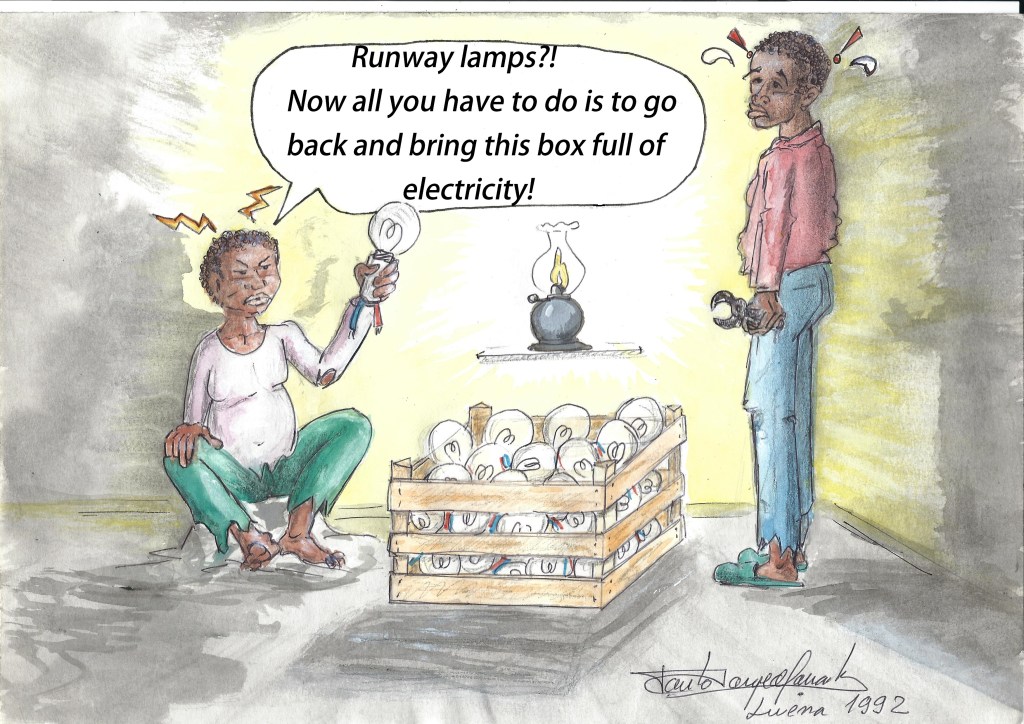
However, that was a rhetoric question, and I was supposed to “Improvise, Adapt and Overcome”, because, on the next morning, three heavy helicopters and one medium fixed wing aircraft were going to take-off to support the electoral process.
In a region devastated by decades of civil war, where all air navigation aids had been destroyed and the GPS was still a “new thing”, fuel replenishment night flights were indeed an adventure worth to be compared to the air pioneers. C13O Hercules aircraft from “TransAfrik” did those flights, with international crews that were veterans from many other wars around the world. They would come … all I had to do was to point them where the runway was.
– “We shall do it the old fashion way … lighting small fires alongside the runway on its edges. That should do it, because there’s no other light source on the ground in the vicinity.”
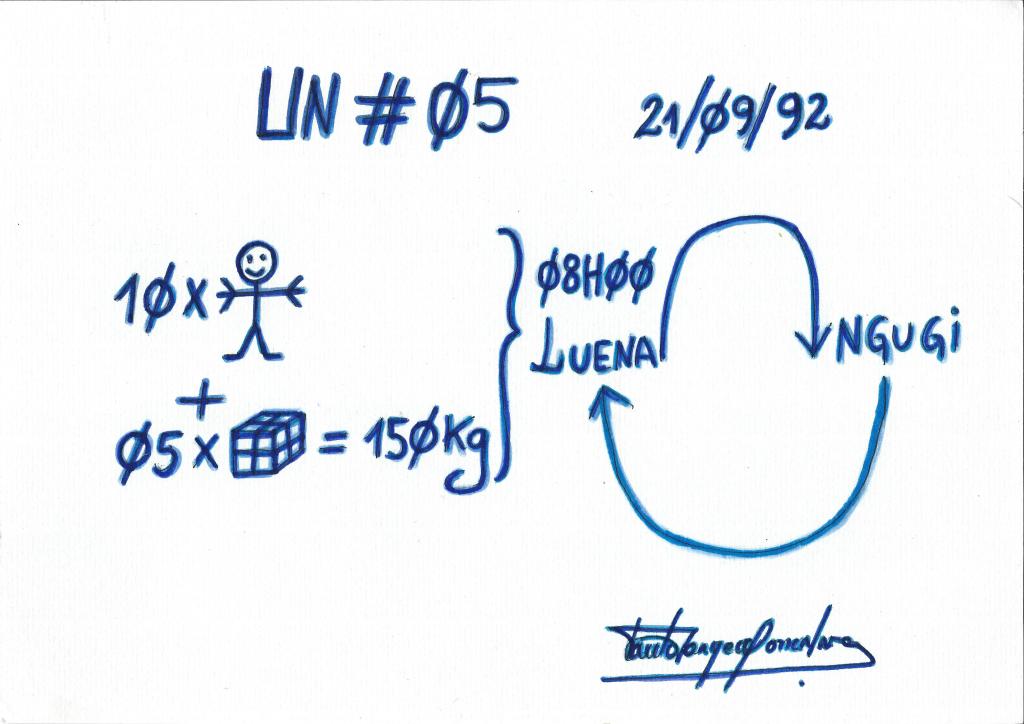
All we had to decide the set-up of the small fires, maintaining them in safe and secure conditions for aircraft operations. In one of Luena’s hangars there was a deposit of used artillery 122 mm shells … hundreds of them. Those large tubes were perfect for our needs; hence we decided to bury one each 50 meters alongside the runway, fill them with some leftover Jet A1 fuel, and introduce a wick made out of old uniforms we could find everywhere. On the tarmac of the runway threshold we would put big powder milk empty cans, following the same system. That was a very sweaty end afternoon for the five UNDP folks residing in Luena, but we managed to light-up the runway, just in time for the first C-130 to land.
The tactical fuel bladders were filled with Jet A1 and, on the following days, three heavy UN helicopters and a medium size fixed wing aircraft were refueled and took-off in order to support the Angolan electoral process, as nothing had happened. Mission accomplished.


 OPen samento