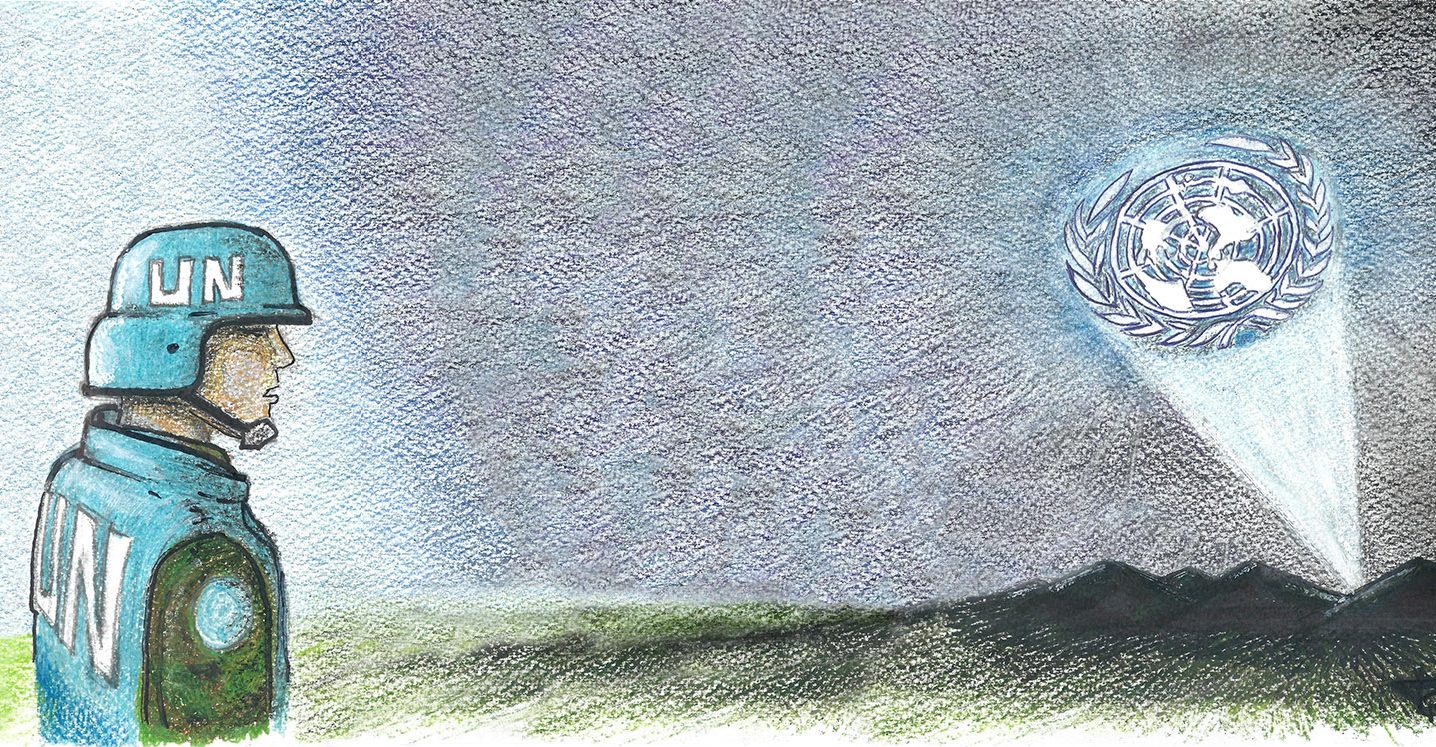
In 1992, when the UN helped Angola in organizing its first free elections, UNAVEM (the UN mission in country) tasked UNDP (UN Development Program) to deal with the technicalities of the process. After a short assessment, it was verified that the Country was so heavily mined that it wouldn’t be realistic to image land transportation of all the staff and material for the electoral venue. It had to be done by air! Therefore, upon request from UDDP, ten Portuguese Air Force air traffic managers deployed to Angola and were distributed throughout the Country, to support this ambitious operation (the biggest air campaign organized by UN to that moment).
I was assigned the UN air fleet at Luena –Capital of the Moxico Province (the largest Angolan Province in the far East of the Country). The civil war had damage severely the entire region, both in the human and material aspects. Arriving to Luena and touring the City’s streets was a chocking experience. All the buildings with an institutional semblance had been completely sprayed with machine-gun fire. There was no space greater than 50 centimeters without a bullet impact. It looked like a horrible degenerative disease, which affected the building materials; something like …“brick measles”. The roof tiles were broken and largely missing, and it appeared the building edges had been nibbled, bitten and gnawed. The air still had the odor of burned material. That was destruction just for the fun of it! There was no tactical advantage for that level of “dwellingcide” (genocide of buildings).
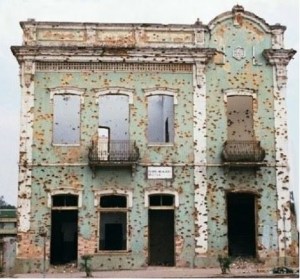
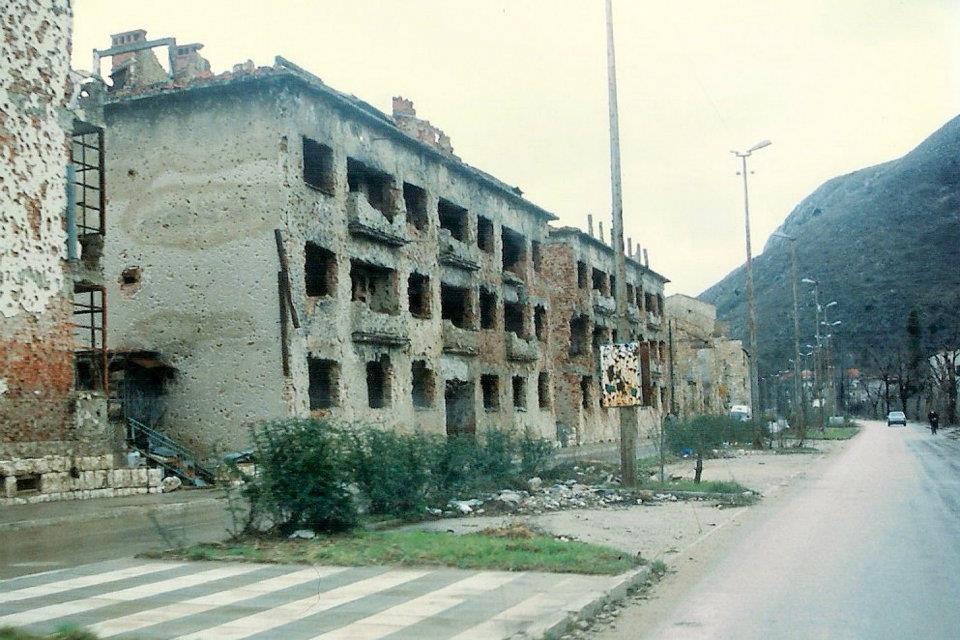
I thought it was a unique situation, the result of a local unsolved issue … but it wasn’t, it was all over the interior of the Country. It was no even an Angolan problem; it was a human disorder, because, three years later I found “brick measles” again, in Europe – Bosnia Herzegovina; Mostar streets were a perfect example of it.
 OPen samento