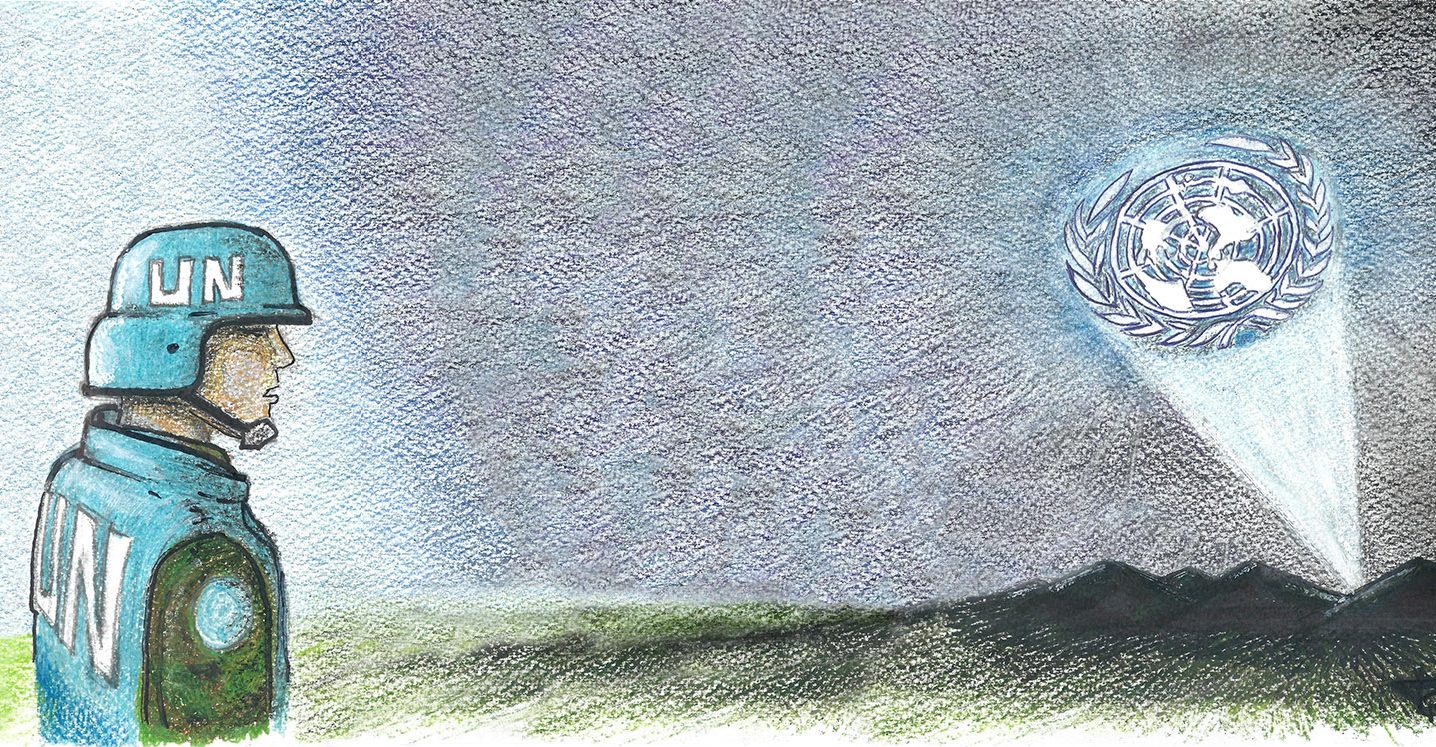
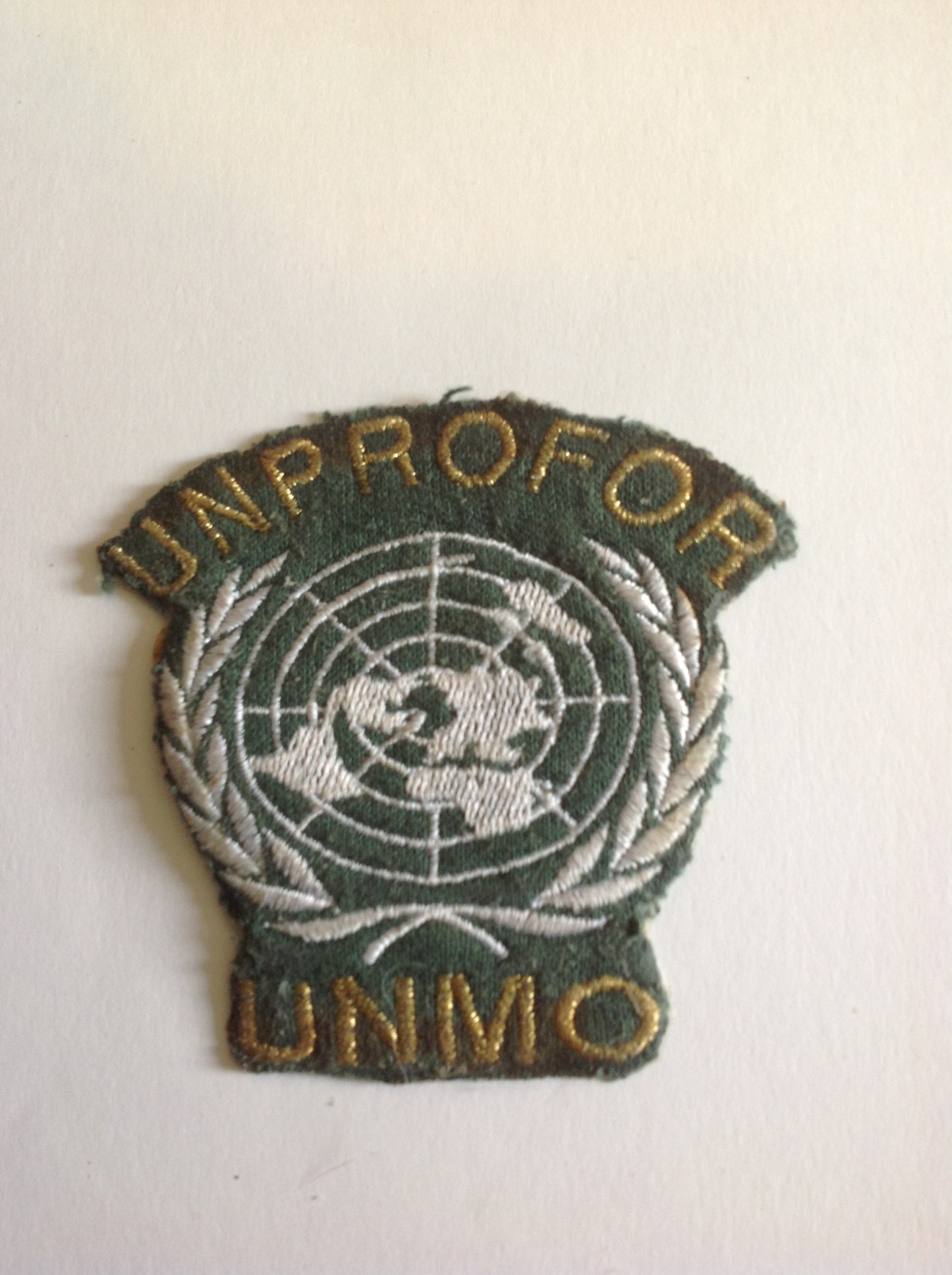
One of the (UNMO) Airfield Monitors’ tasks, in Belgrade, was to inspect and clear the airlift of medical evacuations (MEDEVAC) in/out Belgrade to in/out Bosnia.
The civilians wounded in Bosnia’s war zone were flown to Belgrade in order to be assisted at the very competent and well organized Yugoslav hospital system. However, those MEDEVAC flights were not impartial; they only brought in Serbs. Still, those were humanitarian flights, and the UN supported it; as long as a previous permission had been requested to UNPROFOR HQ Belgrade.
After receiving and analyzing the MEDEVAC request, HQ UNPROFOR Belgrade would notify Zagreb and dispatch an UNMO officer to the heliport of the Military Hospital, downtown Belgrade, in order to inspect the flight. The goal was to verify if the aircraft and its crew/passengers were configured for medical purposes, or if it was being used for military operations.
In 1995, the City of Belgrade had a heliport infrastructure, close to its Military Hospital, worth of envy by any European Capital. It could support simultaneously two medium/heavy helicopters flights, day or night, in perfect safety conditions. Each helicopter had a dedicated large racket shaped landing area, paved, marked and lighted in accordance with the parameters of international aviation. The two racket edges were separated 25 meters from each other, connected by taxiways in an angle of 45 degrees, in order to permit the transit between both helipads and the landing/take-off point in the center of the aeronautical infrastructure. Serving the central landing point there was a visual approach slope indicator (VASI), which gave lighting visual signs to the pilots, in case of bad weather landing conditions. Each helipad had its own refueling system and there was a deep ditch surrounding them, to receive the snow, water and other objects cleaned from the landing surface. There was also a building and a small hangar, which had a calibrated windsock indicator and some antennas on the roof, demonstrating the capability to maintain radio communication with the incoming/outgoing aircraft. The entire infrastructure was fenced and guarded by military personnel.
This type of sophisticated infrastructures was a demonstration of the high level of social support, and good life quality, the Yugoslav population had before the country entered the crisis turmoil.
Each MEDEVAC inspection required the presence of a Yugoslav Army Liaison Officer, tasked to coordinate and facilitate the UNMO officer activity, as well as to overtake the language barrier between the English speaking UN personnel and the Yugoslav staff. These Liaison Officers were not always the same person, but they were all selected specifically to liaise with the UN.
The inspections were made on both legs of the mission; at the departure and at the arrival of the helicopter. That was, of course, a very naïf attitude, because the helicopters’ pilots could land anywhere in between, and do whatever they wished, without the UNMO inspection noticing it. The UNMO officers were aware of it, but those were the rules; and they stuck to it. As long as there were wounded people on the return flight, and no weapons or soldiers on board, it was a genuine MEDEVAC.
In fact, checking wounded passengers was the deplorable part of those inspections. The UNMO inspectors had to witness the intense human suffering of people wounded in battle. The helicopters normally landed with the deck floor covered with vomit and blood, and the nurses trying to calm down crippled people of all ages.
As a matter of fact, those were not really Medical Evacuations (MEDEVAC); they were Casualty Evacuations (CASEVAC). The difference resided on the place the helicopters had to recover the wounded person, and how the casualty had been handled before. If it was a transfer from a medical service to another more suitable one; it was a MEDEVAC. If it was a recover flight of a combat casualty, at the site of the incident, with almost no medical attendance; it was a CASEVAC. Technically, a CASEVAC would require some level of combat engagement, because both the helicopter and the evacuee had to be protected. Nevertheless, for UNPROFOR HQ Belgrade kept it simple and they considered it all MEDEVAC; and no one ever contested it.
Sometimes the helicopters were coming to Belgrade to collect medical teams tasked to do “on site surgery” in the middle of the battlefield. On the return path, those overworked and depressed doctors and nurses would bring the wounded people they managed to save, but they always said they couldn’t save them all.
During my six month mission in Belgrade, I’ve inspected more than 20 MEDEVAC flights to/from Bosnia. Each casualty showed wounds uglier than the previous one. Some flights had nothing to report; others had items that were not allowed on board due to the UN embargo. However, if it was harmless items not related to warfare activities – such as tobacco or beer – the UNMO inspectors did not report it in order to maintain a favorable relation with the aircrews and the liaison officers. Without that open relation, there were not conditions to do a proper job.
 OPen samento