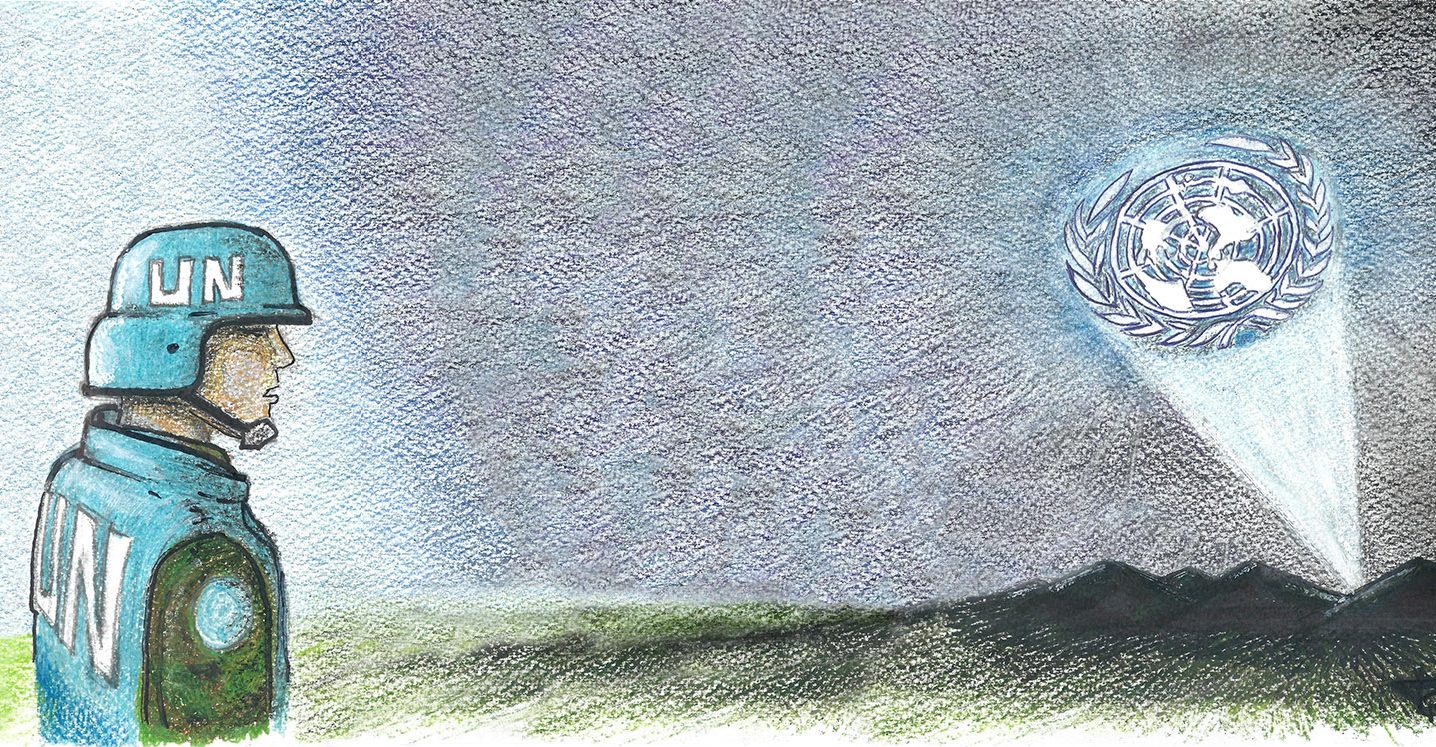
The year was 1995 and the UN mission was UNPROFOR – United Nations Protection Force – for the Former Yugoslav conflicts. At that time, it was the most complex, most dangerous, and most expensive UN mission ever done, with a budget of 1.6 trillion US Dollars, and the task of:
“… interim arrangement to create the conditions of peace and security required for the negotiation of an overall settlement of the Yugoslav crisis …”
(UN Security Council Resolution 743 – 1992)
Back in those times, many said that UNPROFOR was an operational disaster. It was described as a waste of material and human resources; unable to stop a deadly conflict at the doorstep of Albania, Austria, Bulgaria, Greece, Hungary, Italy and Romania.
Every day from 1992 to 1995, TV sets filled our living rooms with horrible images of people being shot by snipers; skinny prisoners of war huddled in concentration camps; Sarajevo being hammered by artillery fire; muddy trenches; killed children; and all other atrocities characteristic of a full scale war, with absolutely no respect for any international convention, or human compassion.
The International Public Opinion was asking:
– “What about the UN? Don’t they have UNPROFOR on the ground? What are they waiting for to stop it?”
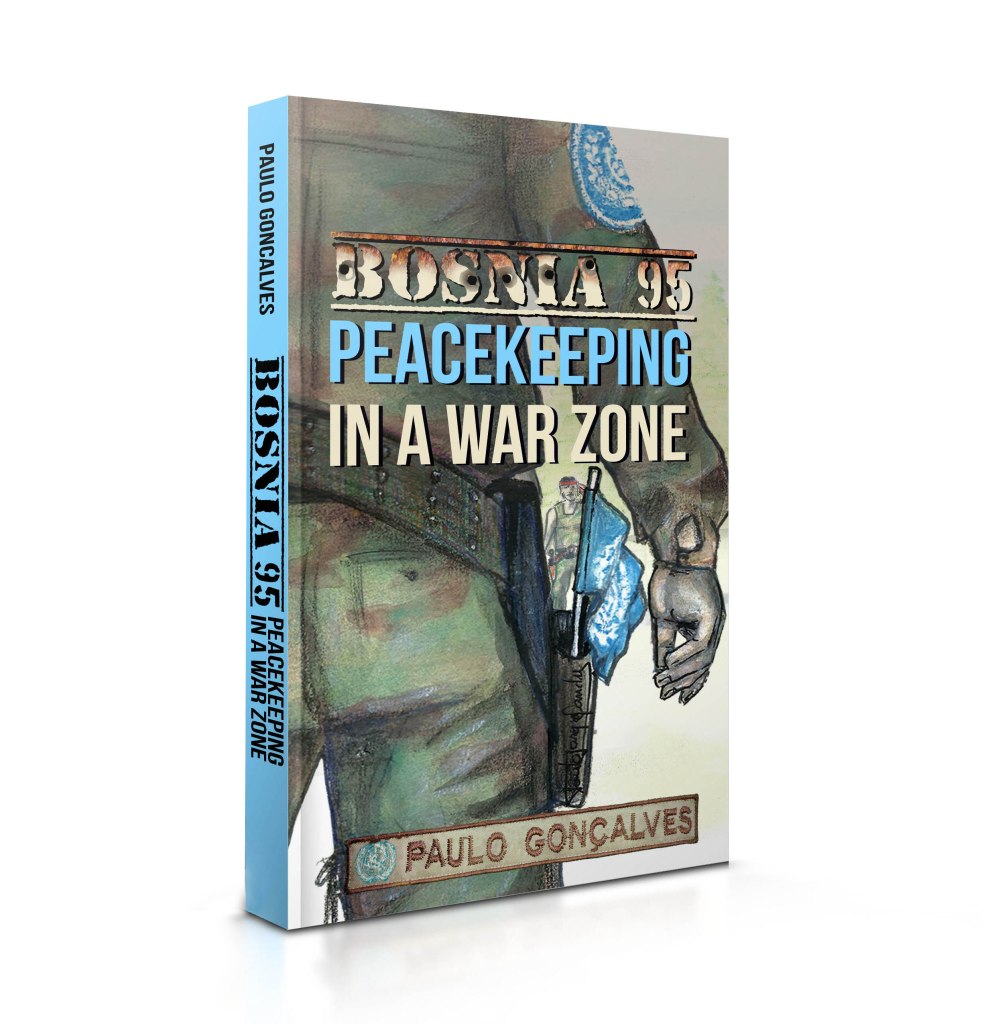
This story will try to answer those questions and give a retroactive voice to the hundreds of thousands of blue helmets that, like me, had proudly served for UNPROFOR and felt indignant with the lack of understanding of what was going on in the field.
Regardless of the perceptions in people’s living rooms, the Peacekeepers deployed in Bosnia, Croatia and Northern Macedonia were very much engaged in the resolution of those wars. The UN commitment to solve the Yugoslav conflicts was intense, and very serious. At a certain stage, there were about 38.600 Peacekeepers deployed in UNPROFOR; 213 of them paid the ultimate price to solve those conflicts, many others returned home with wounds on their bodies and in their souls, with many cases of Post-Traumatic Stress Disorder.
UNPROFOR was not the perfect mission, but let’s not confuse the actions of the few with the dedication of the many. Those blue helmets had a poor mandate, with a ridiculous set of Rules of Engagement, restricting them to do little more than “watch and report”.
In spite of the criticism, many lessons were learned and UNPROFOR became the tipping point on the way the UN conducts Peace Support Operations. After UNPROFOR, the UN Security Council started to be more cautious in its expectations about the belligerents’ willingness to comply with the established agreements. That precautionary approach became evident on the delegation of Peace Enforcement mandates to Regional Organizations, as well as more “robust Peacekeeping” mandates, enabling the blue helmets’ to apply the use of force, if needed, for the protection of civilians.
 OPen samento