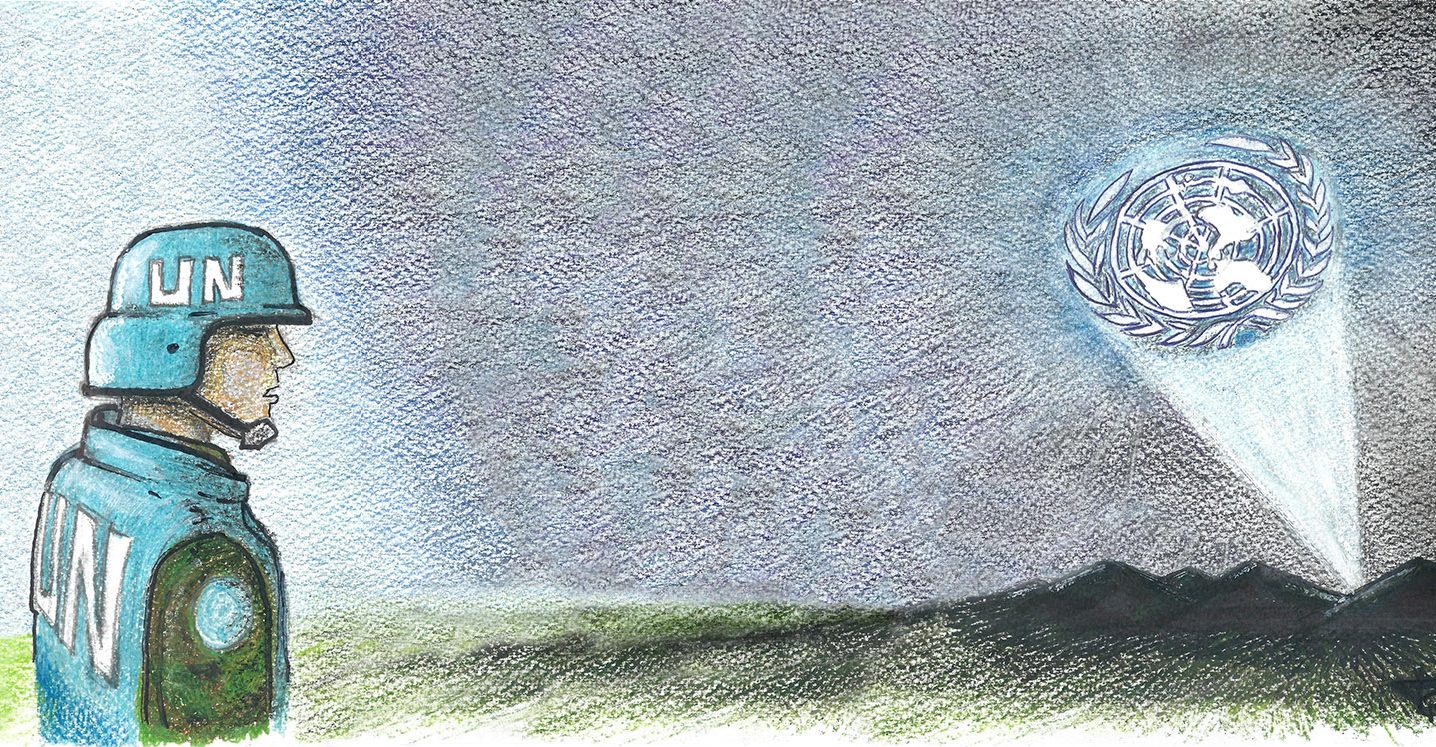
Back in 1995, when the United States finally managed to bring the three Bosnian belligerents to the Peace Agreement table, in Dayton, it was decided that the UN contingents would be substituted by a NATO lead force, starting in December 1995. The new Allied Force would have more vigorous Rules of Engagement, and more fire power which included a combat air component based in Bosnia.
Therefore, the United Nations Protection Force – UNPROFOR – would have to leave Bosnia and NATO’s Implementation Force – IFOR – would become responsible of monitoring and implementing the Peace Agreement, among the Former Warring Factions (FWF).
In order to have perfect visibility about “who was in charge?” and “starting When?” it was decided that, on the 19th December 1995, there would be a Transfer of Authority (TOA) between the UN and NATO authorities. Three days after the TOA, UNPROFOR would start to retract from Bosnia.
For the newcomers, gaining situation awareness of the Theater of Operations could take a long-lasting process. There was a lot to learn regarding the “order of battle” of different Former Warring Factions, the cultural differences between the ethnic groups, the rigorous winter weather of Bosnia, etc. Bottom line: – It could take a long time.
However there was an easy and fast way to do it at the start; simply transform the UN blue helmets into NATO soldiers. Use the same people and have them change their berets.

Coincidentally, or maybe not, UNPROFOR had been receiving reinforcements in its contingents from NATO countries; and of course, there was also the Rapid Reaction Force.
All they had to do, on the 1st of January, was to change the UN emblem on the right shoulder to the IFOR patch, and paint their blue helmets with olive green ink. Of course, non-NATO countries would be invited to join IFOR … or leave. There was a major difference to be taken into consideration by those non-NATO countries: – unlike the UN, NATO was not paying for them to stay, neither was it paying any money for the logistical support of the national contingents. The exception would be a group of Partnership for Peace (PfP) countries that would be “adopted” by other NATO countries, but those were part of a NATO specific program and were perfectly well identified.
 OPen samento