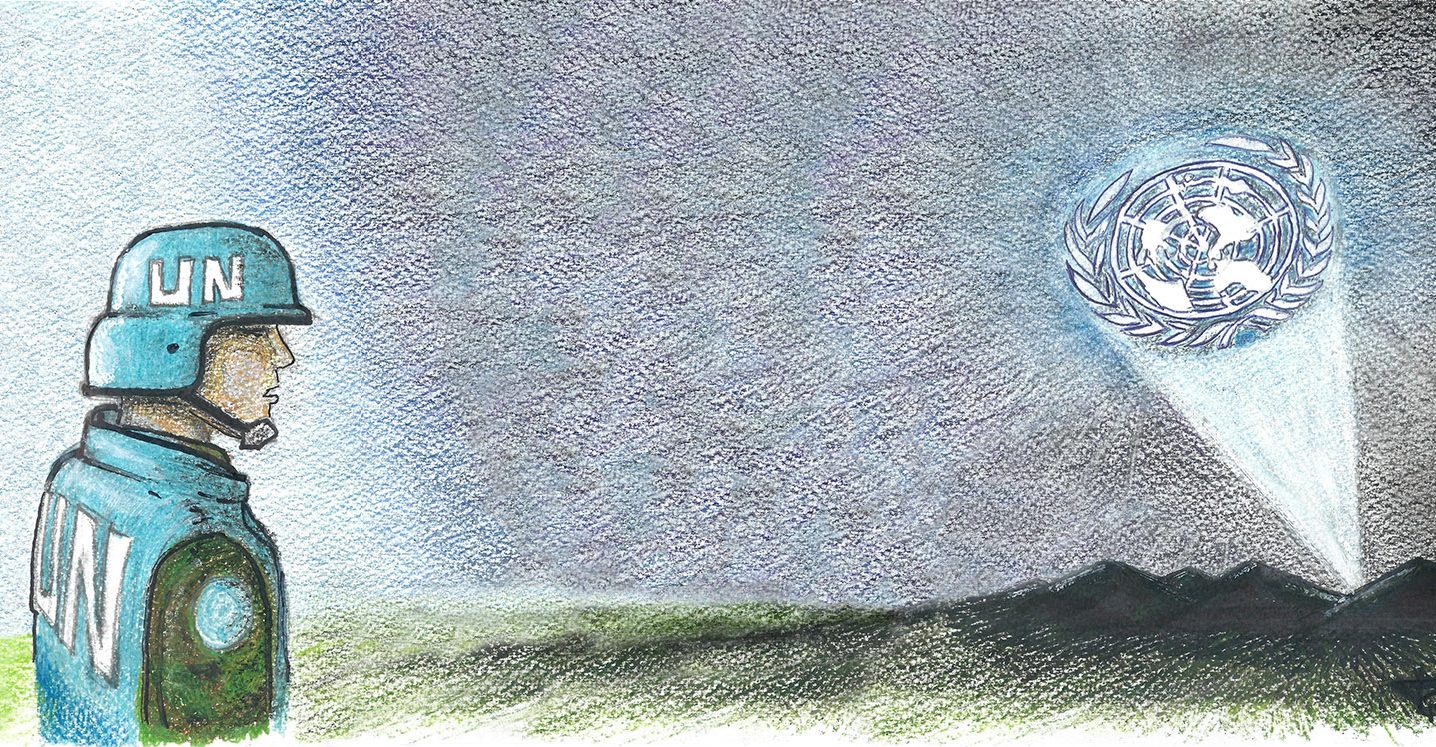
During the summer 1995, there was a report about Gorazde, from an independent entity, stating that, regardless the efforts of UNPROFOR, the Red Cross (ICRC) or the UN agency for the refugees – UNHCR – if the war wouldn’t be stopped shortly, the approaching winter would have a calamitous effect on the pockets’ population. Gorazde’s population was sick, homeless, starving and desperately needed warm clothing and shoes to face the frozen weather.
The approach of the winter had yet another consequence: – NATO’s air coverage would be significantly diminished due to all sort of weather restrictions. Even the satellite surveillance over Bosnia’s territory would be jeopardized. Low clouds, high winds, heavy rain and snow fall; it would all reduce the amount of aircraft in the air, and the type of mission performed.
When the Allied fighters patrolled Bosnia Herzegovina, the pilots always made sure to overfly Gorazde as a “Show of Force”. It was a simple military operation, intended to intimidate the Serbs, showcasing NATO’s mighty air power. It involved high speed low level “flyby”; close to, or even breaking, the sound barrier at low altitudes; simulations of airstrikes, while collecting VRS positions’ imagery for Intelligence purposes.
NATO air operations’ planners were very concerned, because they had instructions to monitor the situation from the air, and deter any setback on the ongoing peace negotiations; but that was easier said than done! The air planners considered it to be hardly compatible with Bosnia’s winter conditions.
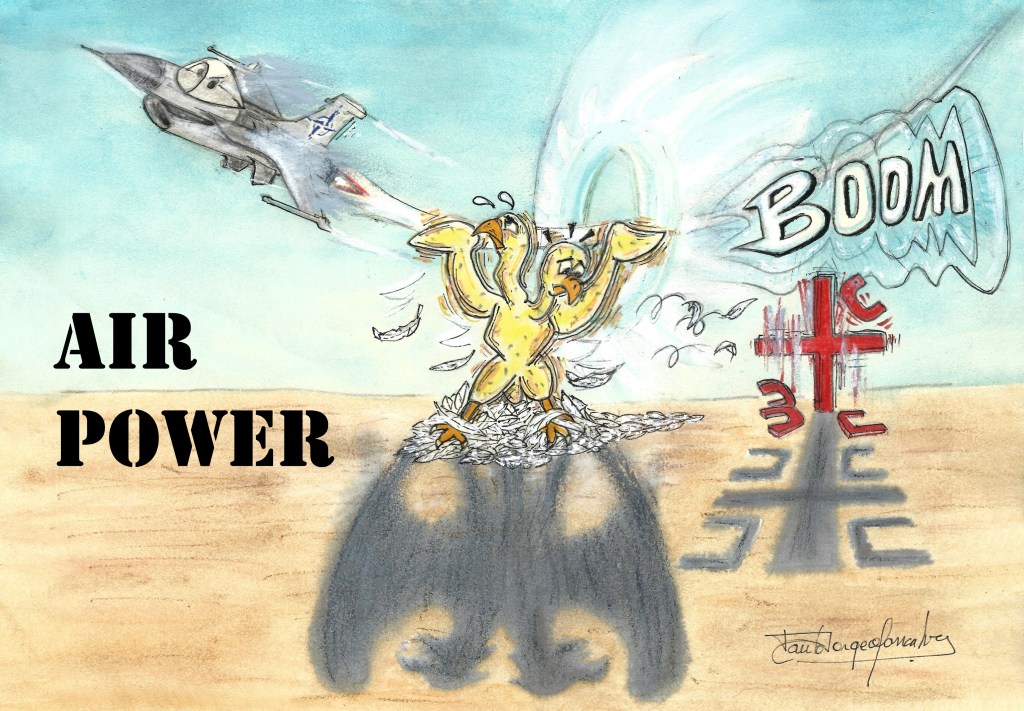
In August 1995, as a result of the mortar shelling over Sarajevo’s market place, NATO aircraft moved from “show of force” to “force implementation”. Not only on Sarajevo, but also around Gorazde the jets bombed the Serbian positions to its “almost total destruction”. The conflict was finished, the warring factions signed the Dayton Agreements, and UNHCR started to bring into Gorazde convoys of humanitarian support.
Air Power did make a difference in the former Yugoslavia conflicts.
 OPen samento