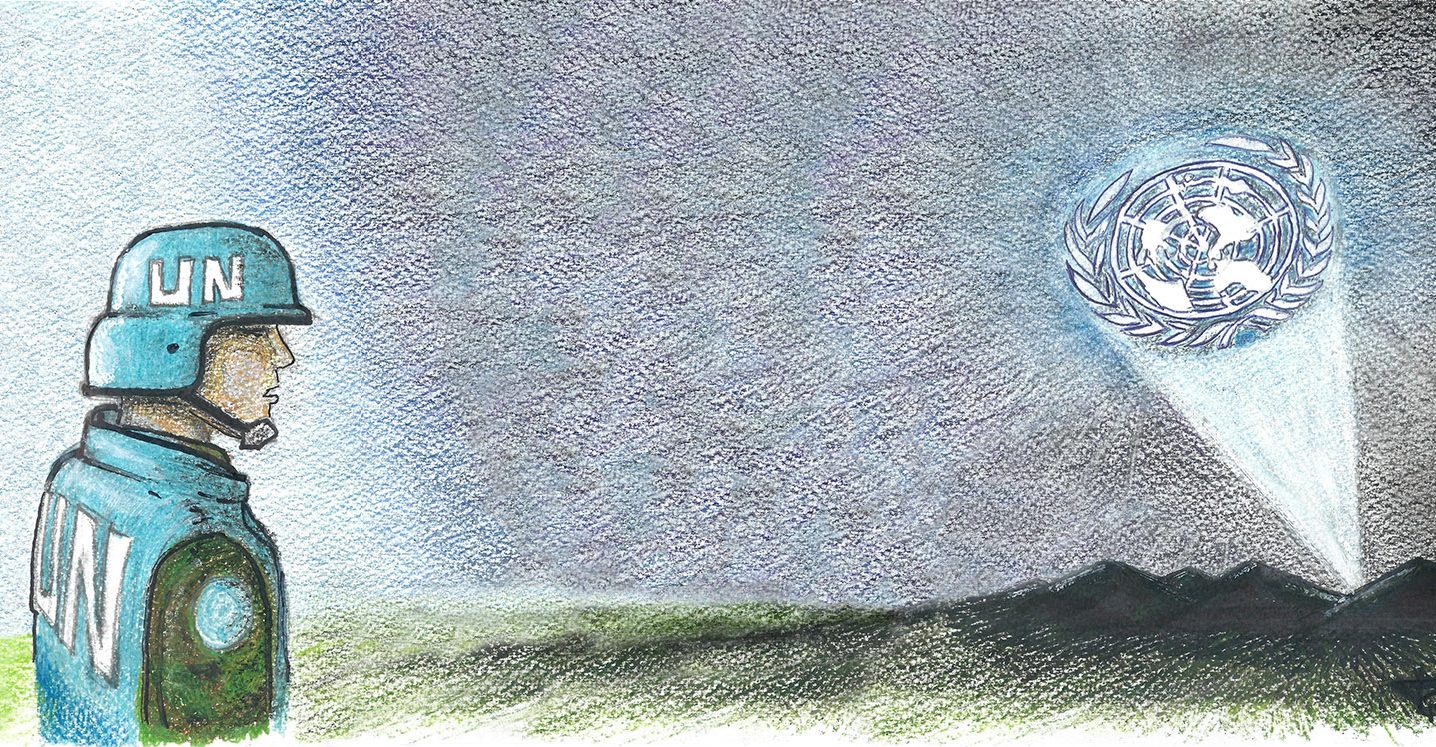
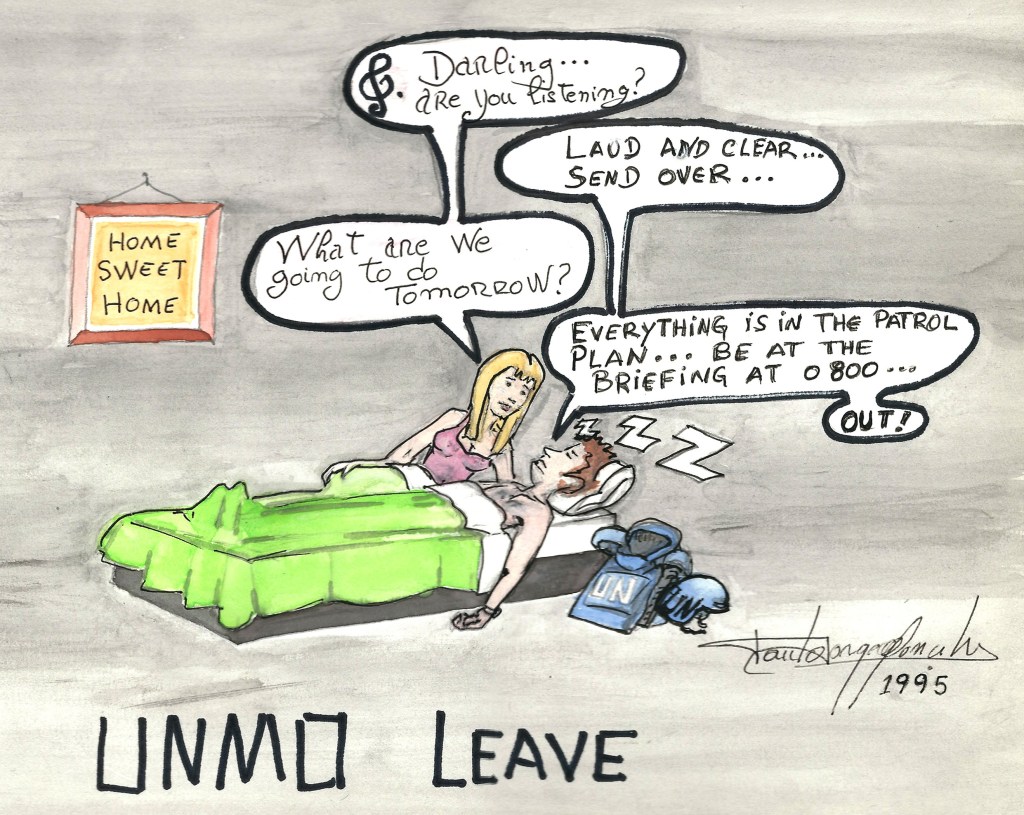
When we return from a long mission peacekeeping in a conflict area, the re-adaptation to the family environment and to a peaceful civilian atmosphere is not always easy to handle. Little things – such as the proper/civilized way to address other people – have got to be readjusted. The tone in which we talk, the technical phraseology (military jargon), the command orders, even returning to speak in our own mother language; all contribute for potential misinterpretation of the newly arrived peacekeeper’s intentions.
There are reports of military personnel with serious issues in their social relations, after returning from the mission. The soldiers become nervous and, without realizing their own attitudes, they behave in a mistrusting and aggressive way, even to their loved ones.
However, if one has his/hers return well plan and organized, things may be easier. The family relations play a very important role in receiving the peacekeeper. At first, it might be weird, but everybody rapidly re-adapts to his/her reintegration. In my experience, it usually takes about two weeks to reconfigure and recharge the batteries for what’s next after returning home.
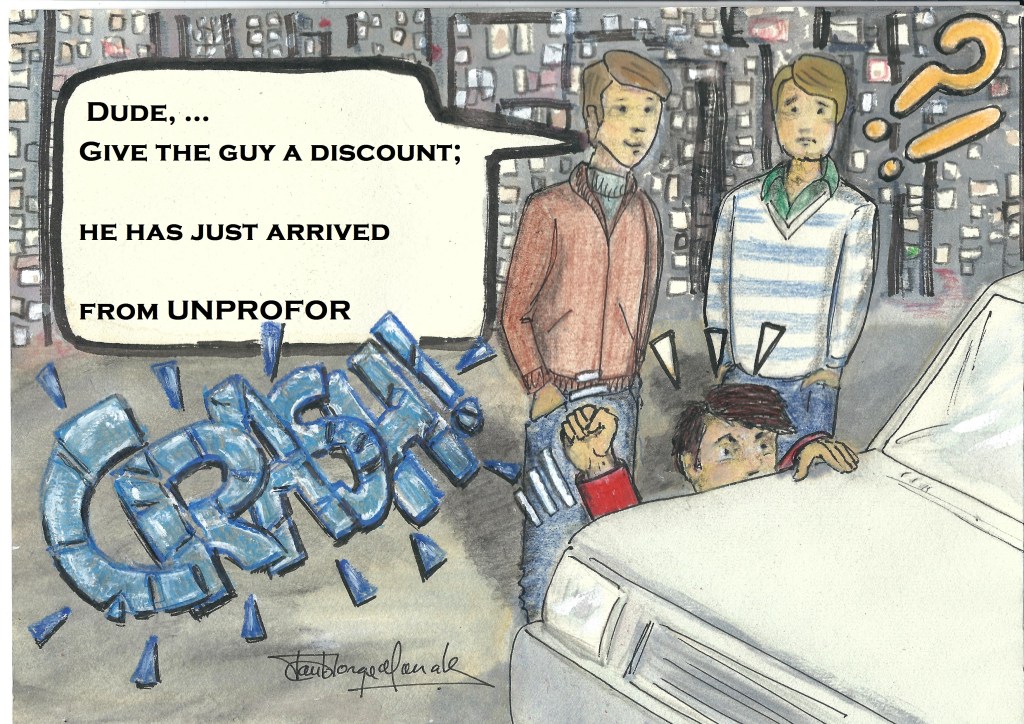
Vehicle traffic is the very first test/ indicator of re-adaptation to a civilized social life. Crossing streets without looking is the normal attitude in a conflict area, but that is a dangerous attitude in a major western urban area. The way we react to the unjustified stupidity of other drivers is also something that should be self-monitored. Some social peculiarities of urban areas can be difficult to digest, to the newly returned peacekeeper.
I remember one scene that I made a full of myself in the middle of an European Capital, because I was still breading the smokes of war in Bosnia. I had just arrived from Sarajevo for some meetings in Zagreb, and I was walking down one of the City’s main streets with a national companion. It was 12H00 and we were looking for a restaurant to have proper/civilized lunch. At that time, the traditional time signal of Zagreb – old customary cannon gunshot – took place. Instinctively, I crouched down in the pavement embarrassing my national comrade in the middle of the sidewalk. Local people were passing by and looked at the two weird foreigners with a disapproval semblance.
– “You’re not going to start screaming INCOMMING … are you?” – Asked my national comrade.
That minor event worked as a wake-up call that, when I would return definitively home, I would have to readjust and pay more attention to my behavior. In fact, when I did return home there were some construction works in my neighborhood. It took me some time to accept peacefully the sounds of pneumatic hammers, vehicle exhausts’ shots and breaking glasses.
I was lucky for not suffering from Post-traumatic Stress Disorder (PTSD), but many (too many) of my peacekeeper comrades did/do. Domestic violence, divorces, sleeping problems, anxiety disorder, etc. are all collateral damages from peacekeeping missions, in areas of great human suffering.
 OPen samento