In August 1995, during the Bosnian conflict, I witnessed something I had never seen before – War Tourism. It all started with a simple Military Observers’ (UNMO) patrol, in Mont Igman (Sarajevo), while driving on a dirt road I hadn’t travel through before. Inside the UNMO vehicle traveled three UNMO (a Portuguese, a Dutch and a Belgian) plus our “Yellow card” – the Bosnian interpreter. That mountain road had been opened through Igman’s pine trees forest, which protected us from any inconvenient sniper’s visors. The pavement was in very bad conditions and their car was raising more dust than a sand storm; however, according to our interpreter, that was the fastest path to exit Mount Igman towards Konjic (our patrol’s destination).
Suddenly, on the narrow road’s edges, we started to see military bunkers and trenches, manned by Bosnian (ABiH) soldiers. For my greatest surprise, there were “street sale” vans bordering the trenches, and a number of civilians, in a cheerful racket, taking pictures of everything and everybody.
My expression of astonishment was such that my Belgium comrade, a veteran of the Bosnian conflict, decided to explain:
– “Relax; it’s just some War Tourists; it’s a new fashion in Europe.”

I was appalled, and I stopped the vehicle to observe the details of that scene. It really looked like the coffee break of a movie production about the Yugoslav War, with the actors having a beer and a hot-dog, still wearing their military outfit and the production crew wearing civilian cloth concentrated in the adjustments to cameras. The only thing missing was the Director to yell “Lights & Action”.
My Belgium comrade pulled out his national scrolls and explained the concept, which turned out, was not new at all. War tourism actually started with the Battle of Waterloo. There were spectators at the top of a hill, watching and appreciating, in an organized manner, the battle developments.
– “This is perverse.” – I exclaimed – “Some of these soldiers may be Killed In Action this very afternoon … Besides, what if these, so called, tourists encounter an illegal checkpoint? … What then? …Who’s going to risk his live to save them?”
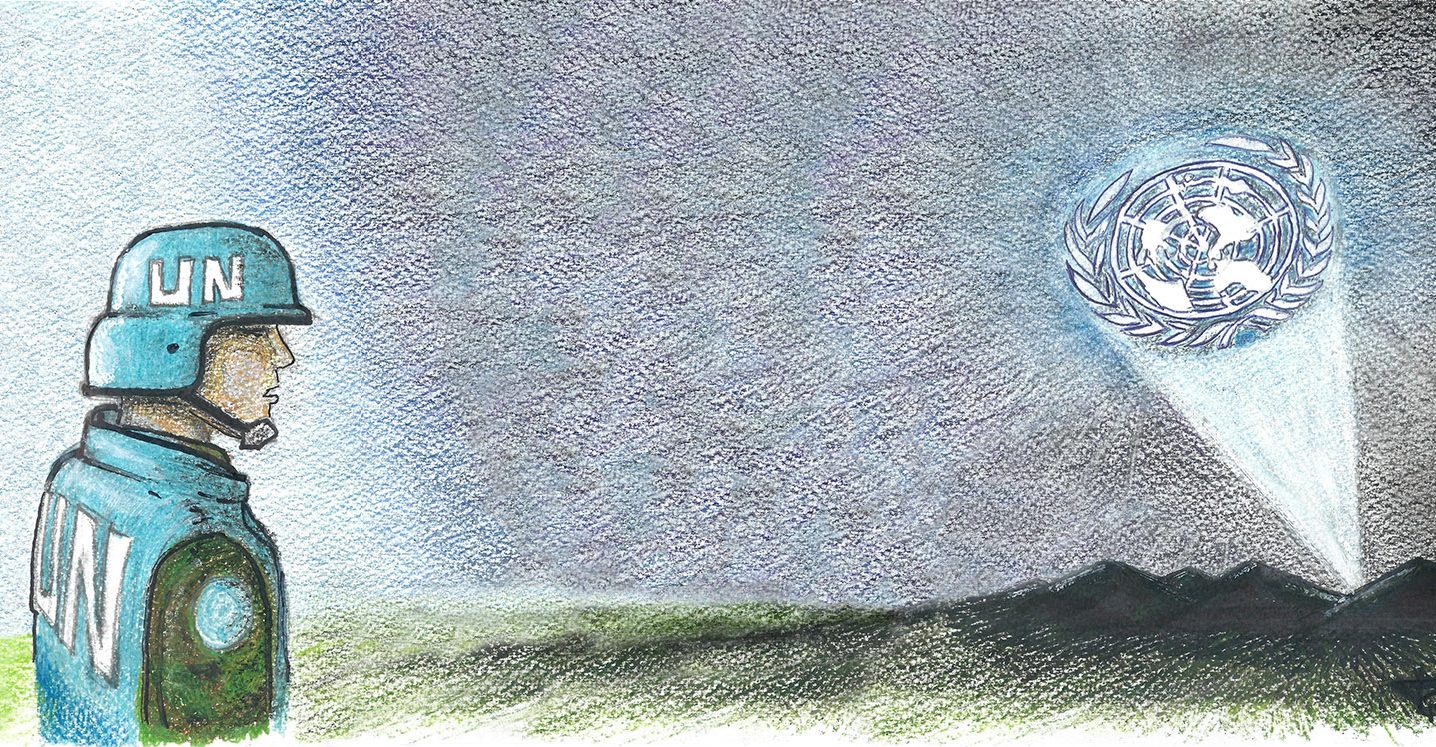
At that point, the cameras turned towards the UN vehicle, and we became the perfect souvenir picture; “the photo” missing on the tourists’ album – a real UNPROFOR car, with real Blue Helmets on it; a Portuguese, a Belgium, a Dutch and a Bosnian civilian. We felt like we were the wild bests of a photographic safari. It was time to move and restarted the vehicle.
One of the war tourists approach our car and, with a strong Dutch accent, asked how the situation was in Sarajevo and if we could escort them to town. At that point, our Dutch comrade, seating on the back seat with the interpreter, told him to “f҉҈k-off”, and I drove away discreetly. We vacated the area without any fuzz, in order not to upset the Bosniak soldiers, that having their 15 minutes of fame. The war tourists were treating them as warrior heroes and gave away all sorts of little presents in exchange for a picture with them.
 OPen samento